Chances are, you've heard a lot about artificial intelligence (AI) lately. It's not just a topic for tech conferences or science fiction — AI has become part of everyday conversation, from boardrooms to coffee shops. And for good reason. We're in the middle of a major shift, one that's redefining what machines can do.
This isn't the AI of the past, limited to sorting data or predicting outcomes. What we now call "new AI" is more creative, adaptive, and capable than ever before. It can generate content, make decisions, and even act on your behalf, all with increasing accuracy and speed.
Let's explore what makes this new era of AI different, how it's being used today, and what it means for the future. In this guide, you'll learn about the core trends, see real-world examples, and get a glimpse into the future of AI.

The term "new AI" refers to a new generation of artificial intelligence systems that go far beyond traditional models focused on classification or pattern recognition. Instead, these systems emphasize three key advancements:
● Generative models that create original content, from text and images to code and music.
● Autonomous agents that can perform tasks independently, like scheduling meetings or managing workflows.
● Multimodal systems that understand and combine different types of input, such as text, images, and audio.
In short, new AI doesn't just analyze information — it creates, reasons, and interacts in ways that feel increasingly human-like.
AI is rapidly evolving, with new advancements reshaping industries and workflows across the globe. From generating content to acting as proactive assistants, these innovations are making AI more versatile, accessible, and intelligent. Here's a look at the key trends driving the next phase of AI development.
One of the most visible changes in AI is its ability to generate high-quality content. Large language models like GPT, Gemini, and Qwen can write articles, draft emails, and even produce working code.
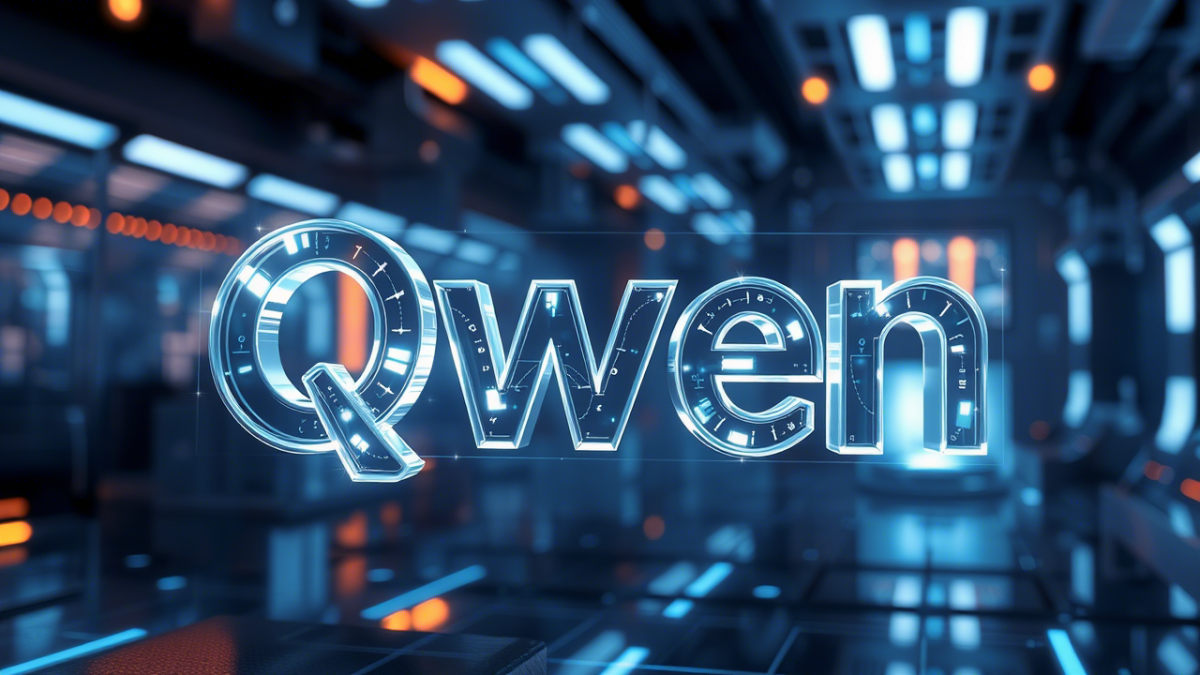
Image generators such as DALL·E and MidJourney turn simple text prompts into detailed artwork. Meanwhile, AI-powered tools are helping musicians compose music and video creators generate realistic animations.
This shift has transformed creative workflows, allowing professionals to prototype, iterate, and produce faster than ever.
Modern AI is moving beyond chatbots that answer questions. Today's AI agents can take action. For example, you might ask an AI assistant to:
● Book a flight and hotel for an upcoming trip.
● Summarize your unread emails and flag urgent ones.
● Monitor your calendar and suggest optimal meeting times.
These agents use reasoning, planning, and access to tools to complete multi-step tasks — acting more like a proactive assistant than a simple responder.
While early AI breakthroughs relied on massive models requiring huge computing power, there's now a strong push toward smaller, lightweight models.
These compact versions can run efficiently on smartphones, tablets, or edge devices, enabling real-time features like voice transcription, image recognition, and language translation, even without a constant internet connection.
This trend is making AI more accessible, scalable, and sustainable.
The latest AI systems don't just process one type of data at a time. They can interpret text, images, audio, and video together, allowing for richer and more contextual understanding.
For instance, an AI could analyze a customer support ticket that includes a written complaint, a photo of a damaged product, and a voice message, then recommend the best resolution. This capability is especially valuable in healthcare, education, and customer experience.
AI isn't just for writing emails or managing your calendar. It's making an impact in more unexpected and creative ways, enhancing everyday life and solving problems we didn't even know we had.

Here are a few examples:
● AI-Powered Sleep Optimization: Using AI-driven sleep trackers, users can get personalized insights about their sleep patterns, recommending optimal sleep schedules, room conditions, and even adjusting lighting or temperature in real-time for better rest.
● Smart Home Maintenance: AI can predict when your appliances or systems (like heating, cooling, or plumbing) will need maintenance or replacement, offering proactive alerts before a problem arises, helping to avoid costly repairs.
● Personalized Health Monitoring: Beyond fitness apps, AI can analyze data from wearables, like heart rate, activity, and even blood sugar levels, to provide tailored health advice or detect early signs of potential health issues.
● AI-Powered Grocery Shopping: AI tools can analyze your dietary preferences and automatically create grocery shopping lists based on nutritional goals, past purchases, or even ongoing sales and promotions at your local store.
● AI-Enhanced Travel Safety: AI-powered apps can analyze real-time data to alert you about potential risks in your travel area, such as weather disruptions, political instability, or health concerns, helping you make better-informed decisions on the go.
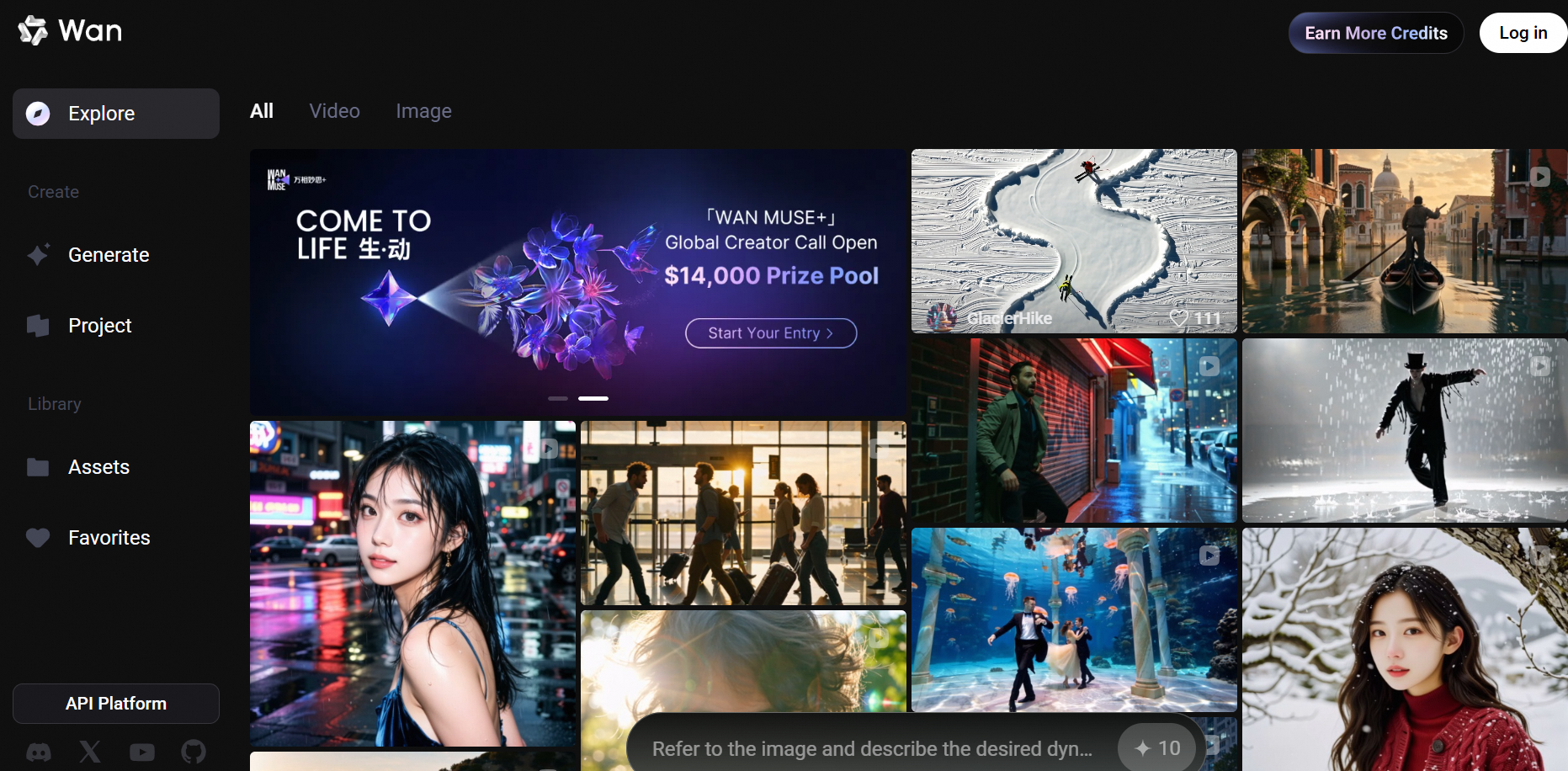
Use Qwen to generate content and answer questions, and Wan to create images and videos from text. Use Lingma to write, explain, and debug code faster, or use AI Doc to extract key insights from long documents in seconds.
Alternatively, learn more about Alibaba Cloud's AI solutions.
As AI continues to advance at a rapid pace, it brings with it a host of ethical, social, and technical challenges that must be addressed. From ensuring privacy and security to managing bias in algorithms, the responsibility falls on developers, policymakers, and society at large to navigate these complexities.

Here are several important concerns need careful attention:
● Accuracy and Hallucinations: AI can sometimes generate plausible-sounding but incorrect information. Users must verify critical outputs, especially in legal, medical, or financial contexts.
● Bias and Fairness: If AI systems are trained on unrepresentative or biased data, they may produce unfair outcomes. Ongoing evaluation and diverse data sources are essential.
● Energy Consumption: Training large models requires significant computing power, raising environmental concerns. Efforts to improve efficiency and use renewable energy are underway.
● Workforce Impact: Automation may displace certain jobs, particularly in administrative, customer service, and content creation roles. At the same time, it creates new opportunities in AI development, oversight, and integration.
The journey of AI has been marked by significant breakthroughs that have shaped its capabilities and applications. Here's a timeline highlighting some of the key milestones from 2020 to 2025, showcasing the rapid advancements that are driving the AI revolution forward.
OpenAI releases GPT-3, demonstrating unprecedented language generation capabilities.
DALL·E introduces text-to-image generation, opening new creative possibilities.
ChatGPT goes viral, bringing generative AI into mainstream awareness.
Alibaba Cloud releases Tongyi Qwen, a large language model designed for enterprise and consumer applications, supporting long-context understanding, code generation, and multilingual capabilities.
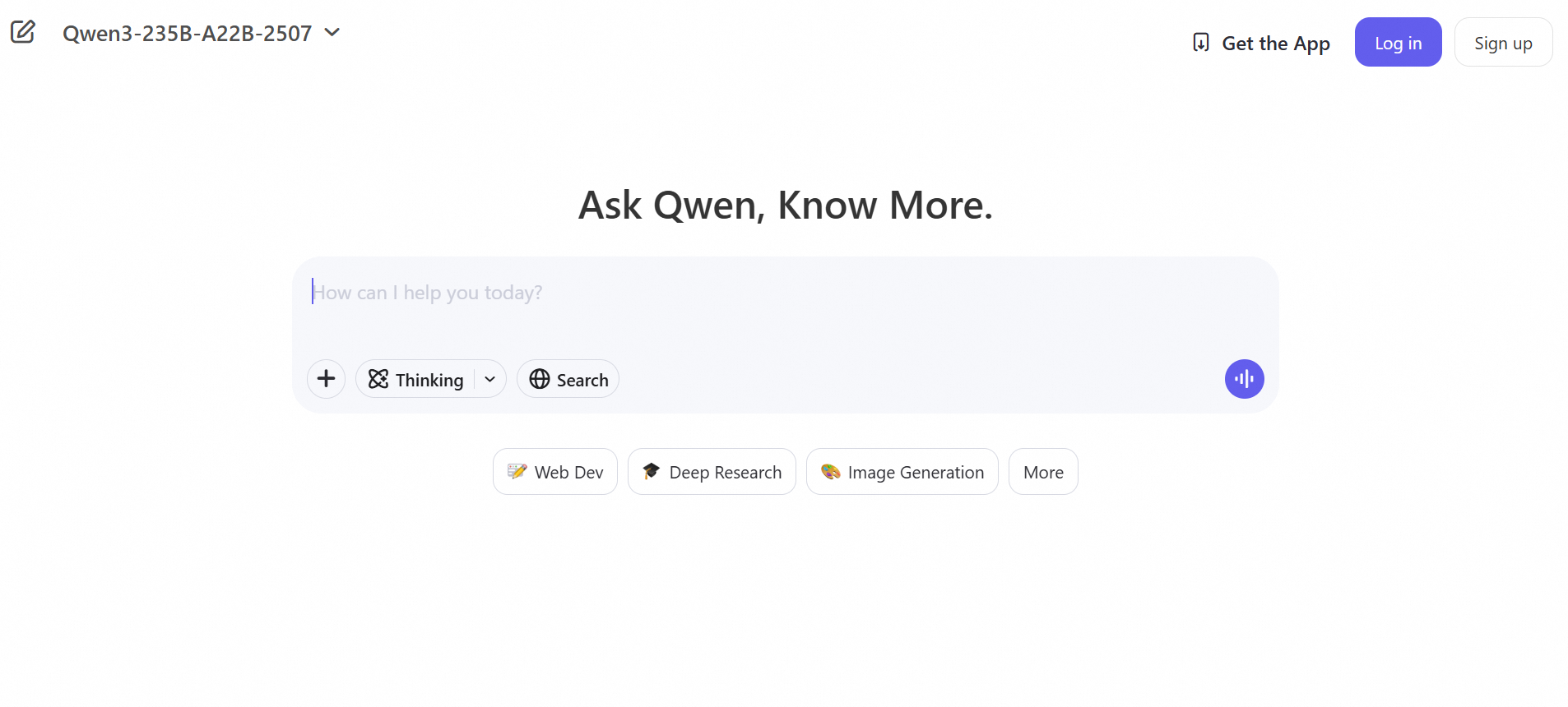
AI coding tools gain widespread adoption. Alibaba Cloud launches Qwen-Coder, a specialized version of Qwen that assists developers with code completion, debugging, and documentation.
Find out more about Alibaba Cloud's different Qwen models, including Qwen-Coder.
Multimodal AI agents begin handling complex real-world tasks across industries. Alibaba Cloud launches Qwen-VL and Qwen-Audio, expanding Qwen's capabilities to process images and spoken language, enabling applications in customer service, retail, and smart devices. The company also introduces Tongyi Wanxiang (Wan), an AI art generation tool that supports prompt-based image creation and style transfer.
Smaller, efficient AI models become embedded in everyday devices. Alibaba Cloud rolls out lightweight versions of Qwen optimized for edge computing and mobile apps, making AI accessible across its ecosystem — from logistics and cloud services to consumer apps on the Alibaba Group platform.
While much of the AI conversation centers on U.S. tech companies, Alibaba Cloud has emerged as a global leader in developing and deploying practical AI solutions — particularly through Qwen, its advanced large language model.
Qwen supports 118 languages and is designed for real-world applications across industries. It powers:
● Customer service chatbots that understand complex queries and provide accurate, context-aware responses.
● E-commerce platforms that offer personalized product recommendations and automated support.
● Travel and lifestyle apps that help users plan trips, manage bookings, and discover local experiences.
● Enterprise tools that streamline document processing, data analysis, and internal communications.
Learn about what Alibaba Cloud's Qwen can do.
As the technology continues to evolve, one thing is clear: new AI is empowering individuals in ways we've never seen before, opening doors to learning new skills, launching businesses, and unlocking creative potential. It's becoming a vital tool that enhances both personal and professional growth, offering new opportunities for anyone willing to explore its possibilities.
Whether you're an aspiring entrepreneur, a student looking to expand your knowledge, or someone diving into creative projects, AI is making it easier than ever to achieve your goals and push the boundaries of what's possible.
Want to get started with AI? Sign up for an account with Alibaba Cloud and unlock your free AI kit, which gives you 1,000,000 free AI tokens, free trials on 80+ Cloud and AI products, free training and more.
Alibaba Cloud Launches “Model Studio: Exclusive” at Indonesia AI Conference 2025
Alibaba Cloud Launches New Edge Cloud Platform to Accelerate Digital Transformation in South Africa

1,537 posts | 516 followers
FollowAlibaba Clouder - March 24, 2021
Alibaba Cloud Community - January 14, 2026
Alibaba Cloud Community - January 11, 2023
Alibaba Clouder - April 16, 2021
Alibaba Clouder - January 4, 2021
Alibaba Clouder - March 4, 2021
1,537 posts | 516 followers
Follow Token Plan
Build more, spend less. One plan, every modality.
Learn More QwenWork
QwenWork is dedicated to helping employees strengthen their professional competitiveness in the AI era and to enabling enterprises to improve organizational effectiveness.
Learn More Qwen
Qwen
Full-range, open-source, multimodal, and multi-functional
Learn More
Alibaba Cloud Model Studio
A one-stop generative AI platform to build intelligent applications that understand your business, based on Qwen model series such as Qwen-Max and other popular models
Learn MoreMore Posts by Alibaba Cloud Community

