Give the same question to different models, and the answers can vary dramatically: one responds instantly but misses the point, while another takes much longer to produce a precise answer. How does Qoder Fast choose the right model?
Qoder Fast is now officially available. It brings the time to first response down from 8 seconds to 3 seconds while reducing Credits consumption from 1.1x to 0.8x. These gains come from coordinated optimizations across the model, Agent, and network layers. This companion article to Every Tenth of a Second Counts—A Technical Deep Dive into Fast Tier focuses on one part of the model-layer work: how Qoder uses System One's rapid task classification to inform model selection.
High-speed models provide the foundation for faster execution; routing determines which model is best suited to the task at hand. The sections below explain how tasks are identified, how selection criteria are established, and how repeated overhead is reduced across multi-turn collaboration.
“Explain why this function throws an error” and “Map this module’s dependencies, complete the refactoring, and verify the results” are both development tasks, but they place very different demands on a model.
The former requires the model to identify the relevant logic quickly and explain the issue clearly. The latter requires it to understand more context, account for cross-file impacts, and verify the results after making changes. As tasks vary, so does a model’s performance in comprehension, generation, tool use, and sustained execution.
Even within code modification, adding an empty-input check requires a different depth of analysis from updating multiple call sites while preserving existing interface behavior. The task objective, scope of work, and delivery constraints all shape what the model must do.
Fast makes these selections within the tier. Qoder adjusts candidate model priorities based on the task type, then determines subsequent execution based on those priorities, the request’s capability requirements, and model availability. Developers choose Fast; routing handles the model matching behind it.
System One works in a straightforward way: the application first defines the task categories to distinguish among and their candidate labels, and the model returns a clear category based on the input; the router then uses this result to schedule execution.
For example, given the same code, a user may ask, “Explain why it preserves the original order,” or “Modify it so it also works with empty input.” These requests correspond to code explanation and code modification, respectively. Task classification needs to identify the action the user currently wants to perform, while the code itself and prior discussion provide context.
To do this, Qoder structures the current request and recent conversation separately, limiting the amount of information needed for the decision. System One performs only task classification, while the execution model continues to receive the full context required to complete the work, generating code, invoking tools, and validating results.
The amount of information they process differs substantially. In our evaluations, a single task-classification decision takes input on the order of a thousand tokens; for a complex development task, however, the execution model may cumulatively process hundreds of thousands of tokens. The task classifier reads only what it needs, leaving the full context to the model that actually executes the task.
The task category contributes to candidate model ranking and, together with the request’s capability requirements and model availability, determines the subsequent selection. In this way, the result of a single decision feeds directly into the existing execution workflow.
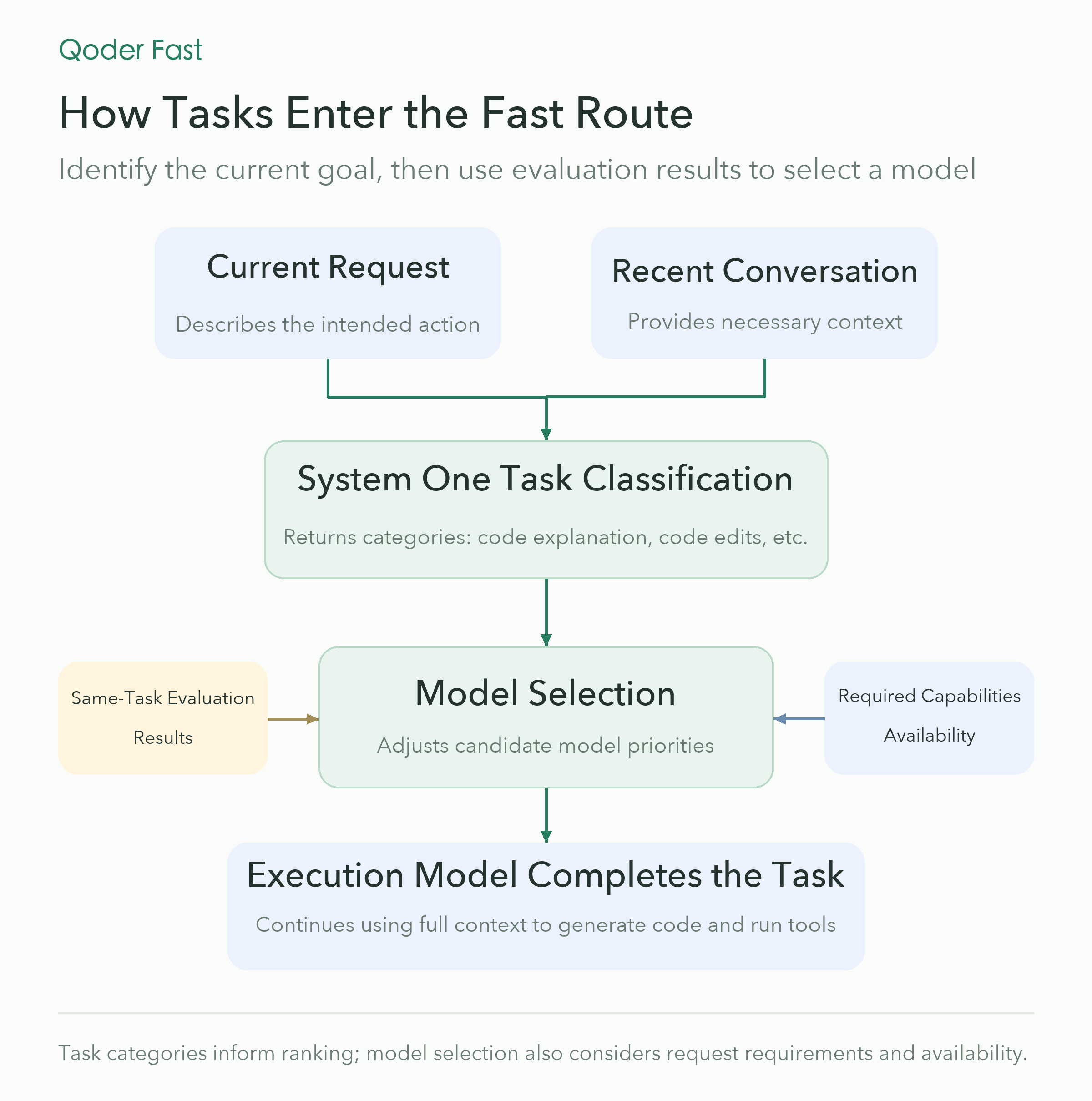
Figure 1: Task Classification and Model Selection Workflow
In our classification evaluations on more than 1,000 historical task texts, the average return latency for task classification was on the order of hundreds of milliseconds, with >99% of decisions returned within 0.5 seconds. This step uses structured selection, eliminating the need to generate lengthy classification explanations or parse free-form text and keeping the added decision overhead low.
After task identification, evaluations determine which model is best suited to this type of work. During offline evaluation, we first compare different models and execution approaches, then use the results to adjust model-selection priorities for each task type. When an online request arrives, the rapid decision can draw on these accumulated results.
Comparisons span more than 20 task types, including code implementation, explanation, refactoring, testing, and architecture design. For each task, all model configurations use the same input and acceptance criteria, and the actual code, files, and runtime results are inspected. For example:
| Task | Acceptance Criteria |
|---|---|
| Deduplication Algorithm Optimization | Preserves first-occurrence order, leaves the input unchanged, and passes edge-case tests. |
| Cross-Module Refactoring | Existing tests continue to pass, independent behavioral checks produce consistent results, and behavior is evaluated as data volume increases. |
| API Architecture Design | Idempotency, concurrency, and failure recovery mechanisms are complete, and the design documentation is consistent with the scenario conclusions. |
Speed is also compared across the complete workflow: from the user initiating a task through model calls, tool execution, in-task validation, and completion of the final output. A model beginning to produce output earlier indicates only a shorter time to first response; longer output, more tool calls, or multiple rounds of revision can all extend the end-to-end task duration.
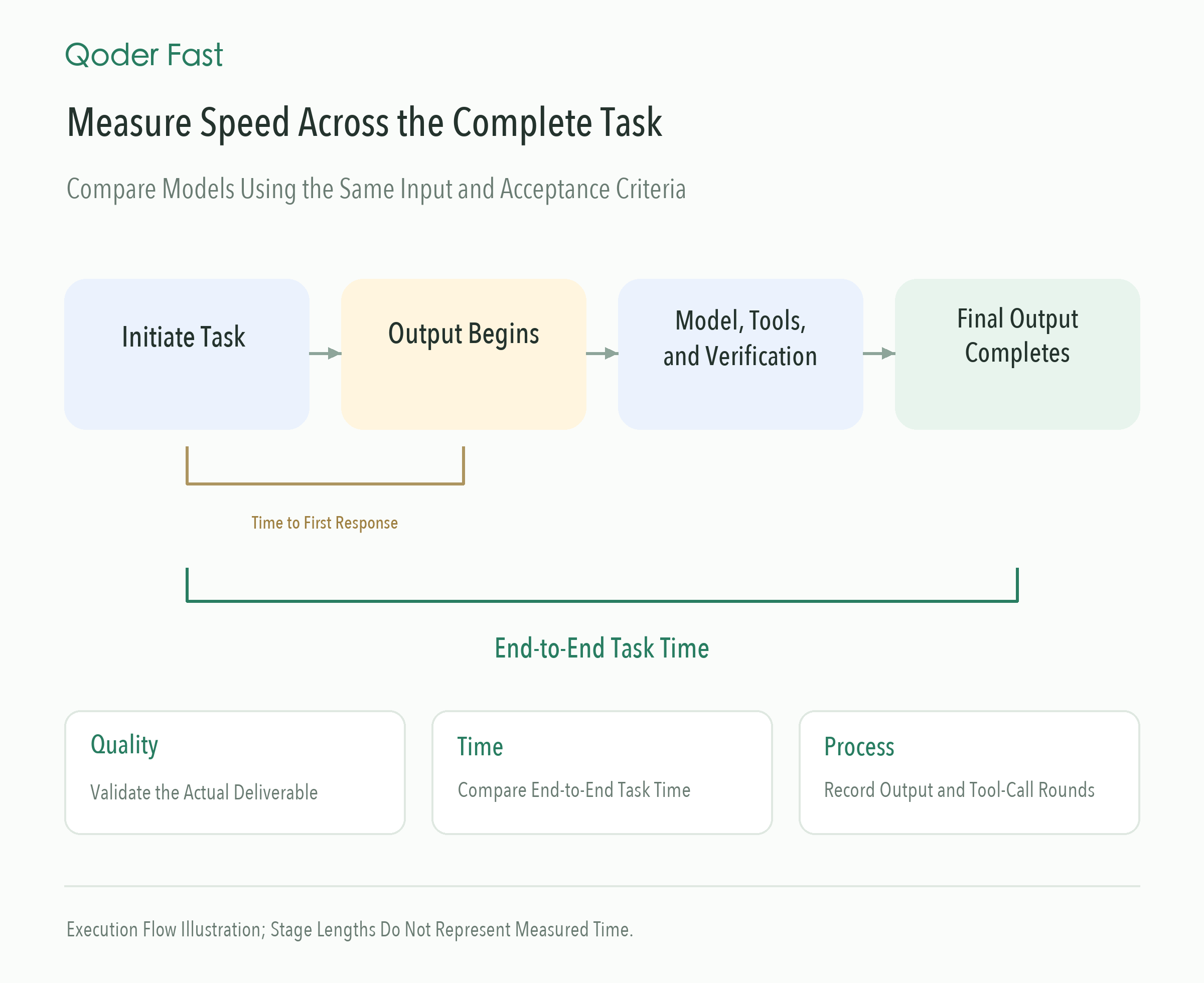
Figure 2: Measurement Scope for Time to First Response and End-to-End Task Duration
In our own comparisons of complex tasks, end-to-end task durations for the same set of tasks differed severalfold across model configurations. Breaking down the results, more than 90% of the additional time occurred in the model generation stage, and the output token count of the slowest configuration was nearly three times that of the fastest; tool-call rounds and execution time also contributed to the differences. This is why routing evaluations must record whether a task passes acceptance criteria, its end-to-end task duration, and the execution process.
These results inform candidate model priorities for each specific task type. Code explanation, test generation, and refactoring are evaluated separately, and models are reevaluated after updates so that selection criteria stay aligned with actual performance.
A Coding Agent task typically involves multiple model request rounds: reading files, modifying code, running tests, and then continuing based on the results. In our complex-task comparisons, a task averaged more than 10 model request rounds. If every turn were reclassified and the model switched, task classification would recur, and the accumulated context might need to be reprocessed by another model.
Qoder therefore reuses model selection at the session level: when routing is first required, it classifies the task and saves the candidate order; subsequent requests reuse the existing result while the session cache remains valid. In our end-to-end validation, the initial request to write a function triggered classification. When the user then asked in the same session why the function preserved order, the existing selection was reused without calling the classifier again.
Across a complete task, this reuse has an even greater effect. In our complex-task comparisons, each task was classified only once at the start, reducing classification calls by more than 90% versus per-turn classification, while cumulative classification latency remained below 1% of the end-to-end task duration.
This trade-off accounts for two types of overhead: waiting for repeated classification and the computation required to reprocess the same context. Within the hundreds of thousands of input tokens mentioned earlier, requests across multiple turns repeatedly carry context from previous turns. Keeping model and backend selection relatively stable within a session enables model-side context cache reuse. The actual benefit still depends on cache hits and task execution.
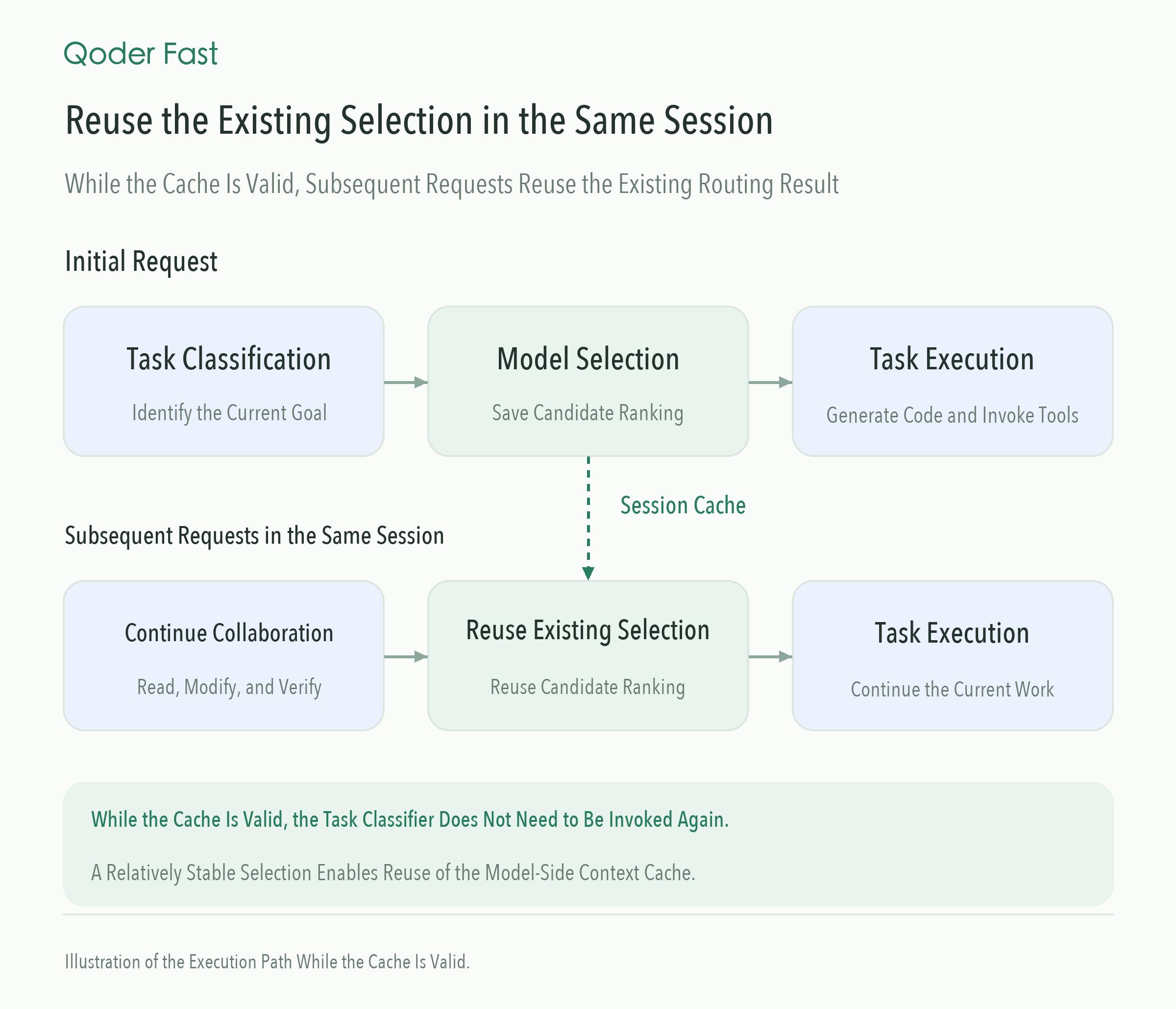
Figure 3: Reusing the Existing Model Selection Within a Session
A classification call has its own timeout. Each classification decision makes only one call; after a timeout, model selection continues under the existing scoring rules. After a classification timeout, the system also temporarily suspends later classification calls until a probe confirms recovery. Retry and fallback for the execution model continue to follow the existing rules.
Through session-level reuse, limited classification overhead, and fallback handling, task classification can be integrated into Fast's actual execution flow, supporting long-running multi-turn development collaboration.
Explaining functions, fixing local errors, adding tests, or organizing information and work plans all call for usable results as quickly as possible. Model routing applies task classification to model selection, working with high-speed models, client-side execution, and network optimization to improve the Fast delivery experience.
Fast availability: Fast is available across all products in the Qoder product family. To use Fast, Qoder CLI must be upgraded to version 1.1.70 or later, and QoderWake must be upgraded to version 1.1.11 or later. Fast is available in both the Personal and Enterprise editions and in both the CN and international editions. We invite you to try it.
Personal Agents in Practice: Where Does Proactivity Come From, and What Holds It Back?

1,567 posts | 524 followers
FollowAlibaba Cloud Native Community - August 28, 2026
Alibaba Cloud Native Community - October 12, 2026
Apache Flink Community - July 11, 2025
Data Geek - September 4, 2026
Alibaba Cloud Native Community - July 28, 2026
Kalpesh Parmar - May 11, 2026
1,567 posts | 524 followers
Follow Qoder
From Assisted to Autonomous — Adapting to Every Programming Need
Learn More Qwen
Full-range, open-source, multimodal, and multi-functional
Learn More QwenWork
 is dedicated to helping employees strengthen their professional competitiveness in the AI era and to enabling enterprises to improve organizational effectiveness.
Learn More Token Plan
Build more, spend less. One plan, every modality.
Learn MoreMore Posts by Alibaba Cloud Community

