Founded in 1995, DUSTO is a fast-fashion women’s footwear leader that now operates more than 8,000 brick-and-mortar stores across China. The brand targets style-conscious shoppers with weekly collections and sells over 150 million pairs of shoes annually. Its success depends on lightning-fast product launches and a supply chain that can sense and respond to micro-trends at city-block scale. Facing soaring SKU counts, fragmented systems (ERP, CRM, POS) and a consumer base that buys both online and offline, DUSTO launched a digital-first initiative to turn every store manager into a data-savvy merchandiser and every headquarters decision into a real-time, data-backed action. Quick BI became the cornerstone of this transformation.
“Our digital journey began eighteen months ago. At first we only visualised historical sales, but with AI-powered Quick BI we can now enable every store to act on real-time insights and truly let data speak for itself.”
— Digital Technology Team, DUSTO

Before adopting Quick BI, DUSTO’s explosive growth outpaced its data infrastructure. Isolated databases, manual spreadsheet reporting, and delayed nightly ETL jobs meant buyers forecasted demand with guesswork, regional managers lacked a single inventory view, and store staff reordered stock by intuition. High fashion turnover pushed obsolete shoes into warehouses, marketing spent blindly, and headquarters could not compare like-for-like store performance. Without timely, trusted data, the company risked margin erosion and lost the agility that fuels its brand appeal.

Quick BI was deployed as a real-time data backbone, streaming updates from ERP, CRM, POS and e-commerce platforms every 3-8 seconds via hybrid CDC and API connectors. A cloud data lake normalised dimensions—SKU, region, season, price band—while Role-Based Access Controls ensured the right granularity for headquarters, 112 branch offices, and 8,000 stores.
On top of the model, Quick BI’s AI toolkit delivered demand-forecast widgets, dynamic pricing recommendations, and mobile dashboards. NLP search let non-technical staff ask “Which SKUs run low in Chengdu?” and receive instant charts; Auto-Insight mined anomalies in sell-through; and an intelligent replenishment app alerted store managers when to transfer stock or trigger orders. Implementation followed agile sprints: data plumbing (4 weeks), pilot dashboards (2 weeks), and company-wide rollout with 1,146 dashboards, 32 e-Kanbans, and 47 data portals—all maintained by a three-person BI Center of Excellence.
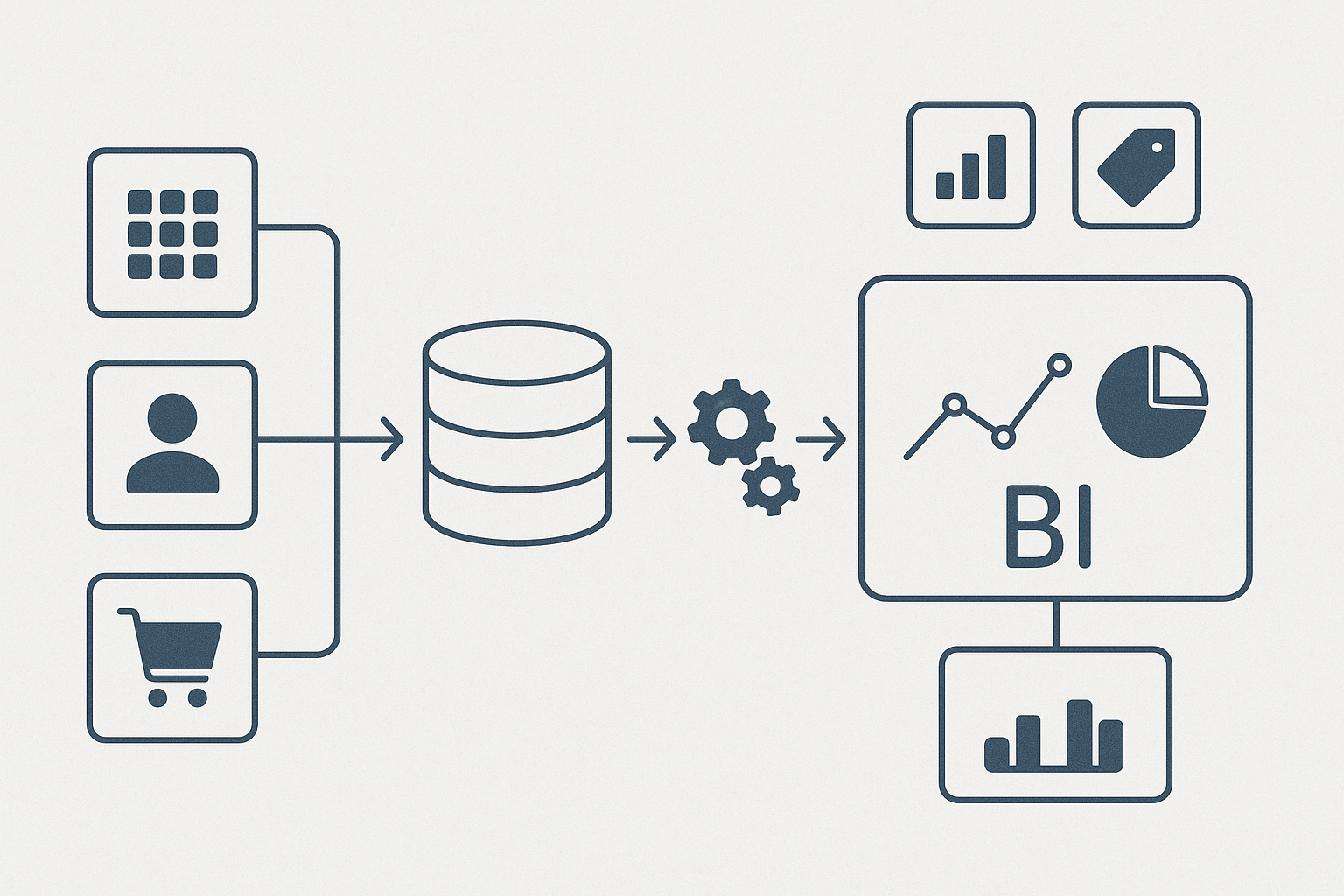
Within three months, DUSTO cut report latency from hours to seconds and achieved SKU-level visibility across every shelf. AI-driven forecasts lifted on-time replenishment by 28% while intelligent markdown guidance shaved 15% off season-end inventory. Mobile analytics boosted store-manager engagement—daily active users climbed to 92%, and order accuracy doubled in pilot regions. Marketing teams now segment promotions by real sales velocity, reducing wasted spend and raising conversion by 11%. Most importantly, executives steer growth with a single source of truth, confident that the data foundation scales with every new store opening.
Alibaba's AI Advances in Multimodal Model, Healthcare, and Manga Innovation
Alibaba Cloud and Hong Kong Education City Launch Second Edition of Inter-School AIGC Competition

1,550 posts | 522 followers
FollowAlibaba Cloud Community - August 22, 2024
Alibaba Cloud Community - June 9, 2023
Alibaba Cloud Project Hub - November 19, 2021
Alibaba Cloud Community - November 11, 2024
Jitendra - October 19, 2022
Alibaba Cloud Project Hub - November 19, 2021
1,550 posts | 522 followers
Follow Big Data Consulting Services for Retail Solution
Alibaba Cloud experts provide retailers with a lightweight and customized big data consulting service to help you assess your big data maturity and plan your big data journey.
Learn More QwenWork
QwenWork is dedicated to helping employees strengthen their professional competitiveness in the AI era and to enabling enterprises to improve organizational effectiveness.
Learn More Token Plan
Build more, spend less. One plan, every modality.
Learn More
Alibaba Cloud Model Studio
A one-stop generative AI platform to build intelligent applications that understand your business, based on Qwen model series such as Qwen-Max and other popular models
Learn MoreMore Posts by Alibaba Cloud Community

