If you are already building with AI models, the real question is not whether to use AI. It is which models actually fit your development workflow. Alibaba Cloud’s Qwen3 Coder Next and Qwen Image 2.0 are positioned as specialized models for coding and visual generation, designed to work inside a unified cloud AI ecosystem rather than as isolated tools.
Most builders today are already using multiple models across their workflow:
Alibaba’s model ecosystem, available through Model Studio, follows that same modular logic. Instead of forcing a single general model to do everything, it separates strong coding capabilities and visual generation into dedicated models.
This makes Qwen3 Coder Next and Qwen Image 2.0 more comparable to a workflow layer than just standalone models.
The main positioning of Qwen3 Coder Next is clear: large-context coding, automation logic, and repository-level understanding.
For builders working with large projects, the 256K context window is not a marketing detail. It directly affects:
-multi-file debugging
-long documentation parsing
-refactoring legacy systems
-reviewing full modules instead of snippets
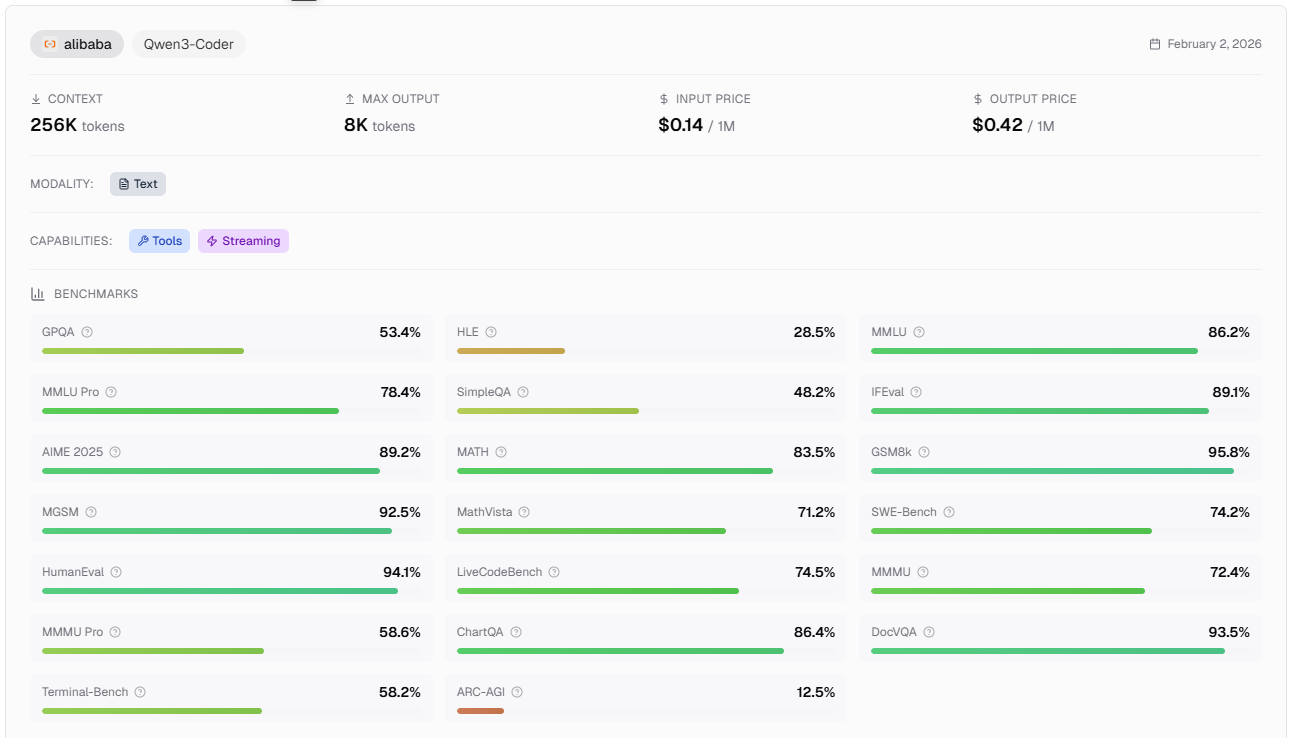
For a closer look at real-world performance and technical details, check here: https://automatio.ai/models/qwen3-coder-next
In practice, Qwen3 Coder Next is most useful when:
-working inside large codebases
-generating backend logic and integrations
-handling automation scripts and internal tooling
-analyzing long technical documentation
Compared to smaller context coding models, it reduces the need to chunk code constantly, which is a real friction point in daily dev workflows.
Instead of treating it as a “code generator,” it is better to think of Qwen3 Coder Next as:
-a repo-aware assistant
-a refactoring helper
-a debugging companion
Strengths:
-strong long-context handling
-better continuity across files
-useful for automation-heavy projects
Tradeoffs:
-still requires structured prompts for complex architecture
-not a replacement for system-level design decisions
-performance depends heavily on context clarity
Its biggest advantage is not raw code output. It is context retention across larger workflows, especially in cloud-native projects deployed through environments like Alibaba Cloud AI services.
Most devs underestimate how much visual content modern apps require:
-dashboards
-onboarding flows
-documentation visuals
-marketing assets
-internal reports
The Qwen Image 2.0 model fits directly into that layer of product development.
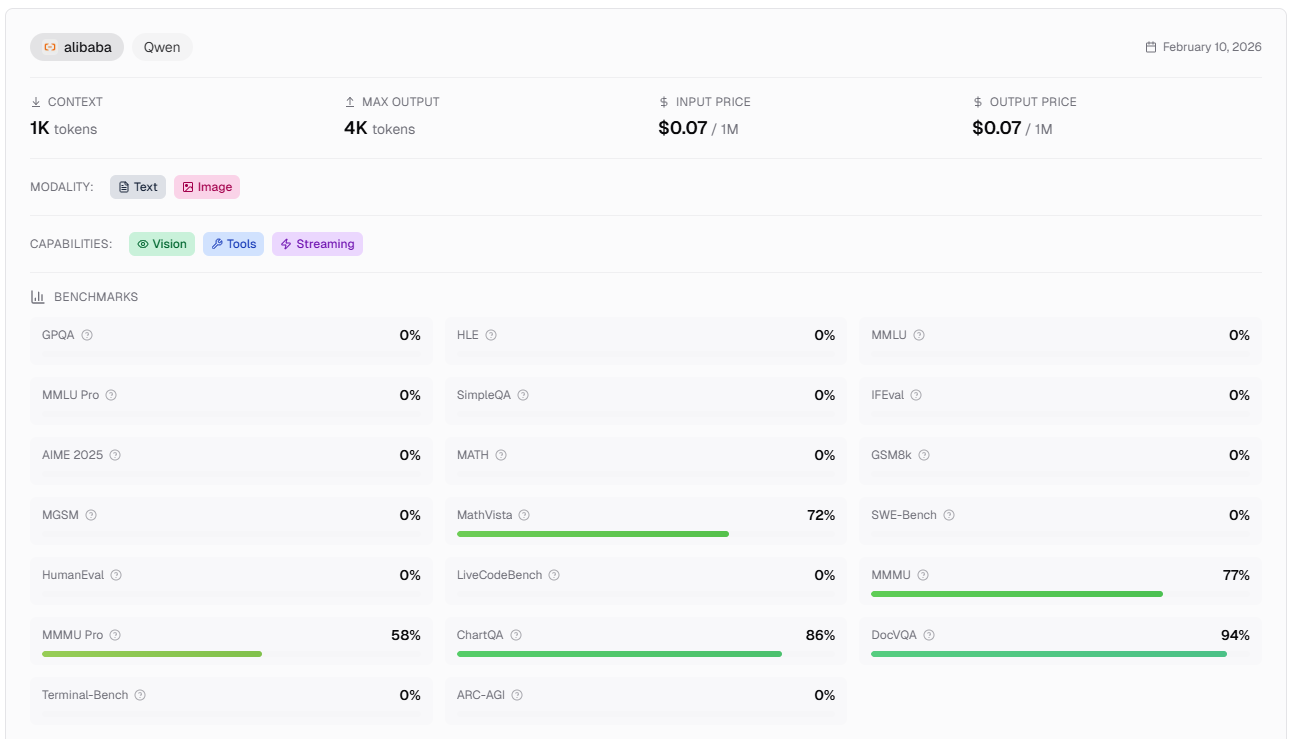
For technical comparisons and deeper model context check here: https://automatio.ai/models/qwen-image-2-0
Instead of using separate design pipelines, teams can generate:
-UI placeholder visuals
-feature illustrations
-blog graphics for product content
-internal tool visuals
This is especially useful for solo builders and small teams shipping fast.
Here is what a realistic workflow looks like for a builder already shipping apps.
Use Qwen3 Coder Next to:
-generate logic
-debug scripts
-refactor backend modules
-write API integrations
This aligns well with scalable deployments supported in Alibaba Cloud Model Studio.
Use Qwen Image 2.0 to generate:
-UI visuals
-onboarding graphics
-product documentation images
-launch content assets
Because both models sit inside the same AI ecosystem described in the Generative AI overview on Alibaba Cloud, the workflow stays consistent instead of fragmented across multiple vendors.
Many coding models still struggle with long repositories. For builders working on SaaS tools, automation platforms, or AI apps, context length directly impacts productivity.
Instead of stitching multiple APIs manually, developers can operate within one AI model environment tied to cloud infrastructure.
Coding + visuals inside the same stack is more aligned with how modern apps are actually built and shipped.
No serious builder evaluates models without looking at weaknesses.
-Requires structured prompting for complex logic chains
-Still needs human validation for production code
-Not optimized for every niche language edge case
-Iteration may be needed for consistent style outputs
-Not a full replacement for advanced design systems
-Best used for fast asset generation, not final branding visuals
These are normal tradeoffs for specialized generative models.
Alibaba Cloud is clearly moving toward a modular AI model ecosystem rather than a single universal model approach. Based on updates and documentation across their AI platform resources, the focus is on:
-specialized models per task
-scalable cloud deployment
-unified model orchestration
This direction matches how modern builders already work: combining multiple models instead of relying on one.
You can explore the broader ecosystem in the official Alibaba Cloud AI platform documentation.
If you are already using AI models daily, the value here is not novelty.
It is workflow fit.
Qwen3 Coder Next is strongest in large-context coding, debugging, and automation-heavy development.
Qwen Image 2.0 fills the visual layer that most AI dev stacks still outsource to separate tools.
Together, inside Alibaba Cloud’s AI ecosystem, they form a more cohesive build pipeline for teams that care about speed, scale, and integration rather than just raw model output.
*Disclaimer: The views expressed herein are for reference only and don't necessarily represent the official views of Alibaba Cloud.
*
AI Training Models in Action: Real Use Cases Across Key Industries
Alibaba Cloud Community - February 5, 2026
Alibaba Cloud Community - February 5, 2026
Alibaba Cloud Community - September 27, 2025
Alibaba Cloud Indonesia - March 31, 2026
Alibaba Cloud Community - July 29, 2025
Alibaba Cloud Community - July 24, 2025
 Token Plan
Build more, spend less. One plan, every modality.
Learn More
Alibaba Cloud Model Studio
A one-stop generative AI platform to build intelligent applications that understand your business, based on Qwen model series such as Qwen-Max and other popular models
Learn More QwenWork
QwenWork is dedicated to helping employees strengthen their professional competitiveness in the AI era and to enabling enterprises to improve organizational effectiveness.
Learn More Qwen
Qwen
Full-range, open-source, multimodal, and multi-functional
Learn MoreMore Posts by plavookac


