How to Enable Multi Bit Rate Support in HLS in ApsaraVideo VOD
By Kenny Lai, Alibaba Cloud Solution Architect
HTTP Live Streaming (also known as HLS) is an HTTP-based adaptive bitrate streaming communications protocol developed by Apple Inc. and released in 2009. Support for the protocol is widespread in media players, web browsers, mobile devices, and streaming media servers. HLS resembles MPEG-DASH in that it works by breaking the overall stream into a sequence of small HTTP-based file downloads, each download loading one short chunk of an overall potentially unbounded transport stream. A list of available streams, encoded at different bit rates, is sent to the client using an extended M3U playlist.
ApsaraVideo for VOD is an all-in-one on-demand audio and video streaming solution. It automatically transcodes the collected, edited, and uploaded audio and video files based on the transcoding settings. It also allows you to edit mezzanine files online, manage media resources, and deliver media content to customers for playback with low latency. Backed by Alibaba Cloud's powerful infrastructure services, ApsaraVideo for VOD provides end-to-end video services to help enterprises and developers quickly build secure, elastic, and highly customizable video-on-demand (VOD) platforms and applications.
ApsaraVideo for VOD support of HLS with adaptive bitrate streaming. In this blog, we will demonstrate the steps required to enable multi bit rate support in HLS in ApsaraVideo VOD.
Step 1: Go to ApsaraVideo VOD
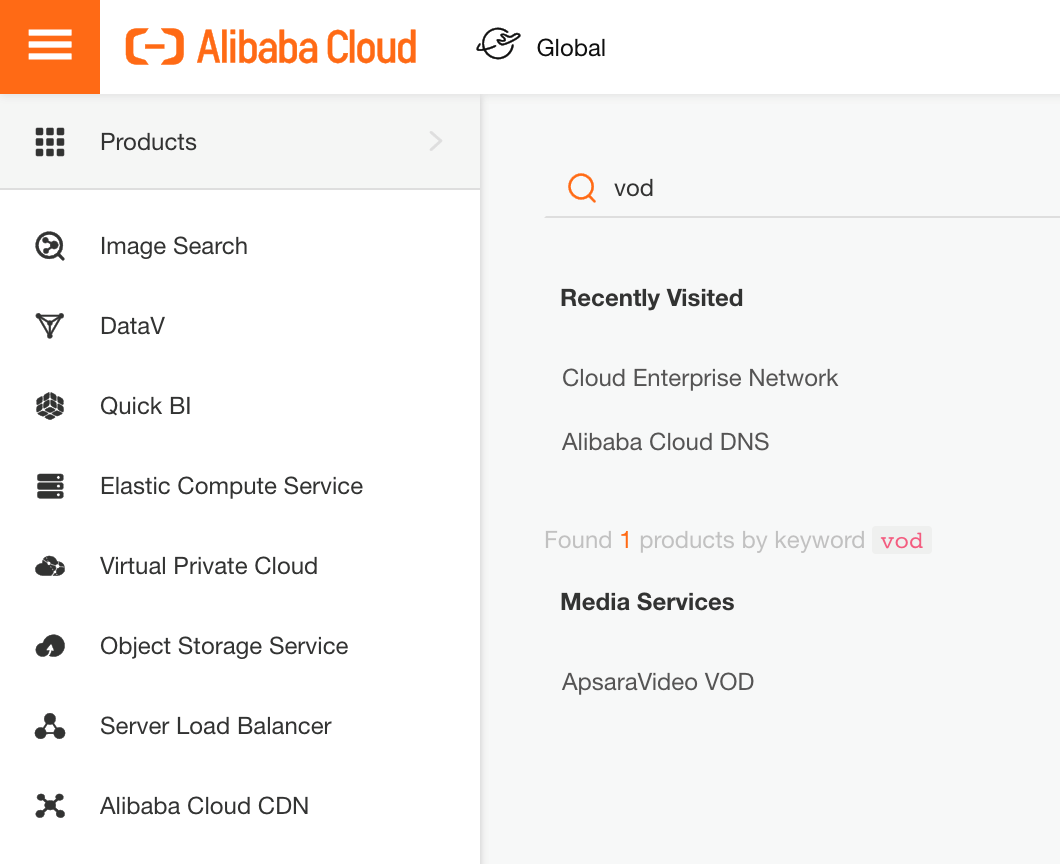
Log in to your Alibaba Cloud console and search for the ApsaraVideo VOD console. If you are having issues locating it, simply search for the terms "vod" in the search bar.
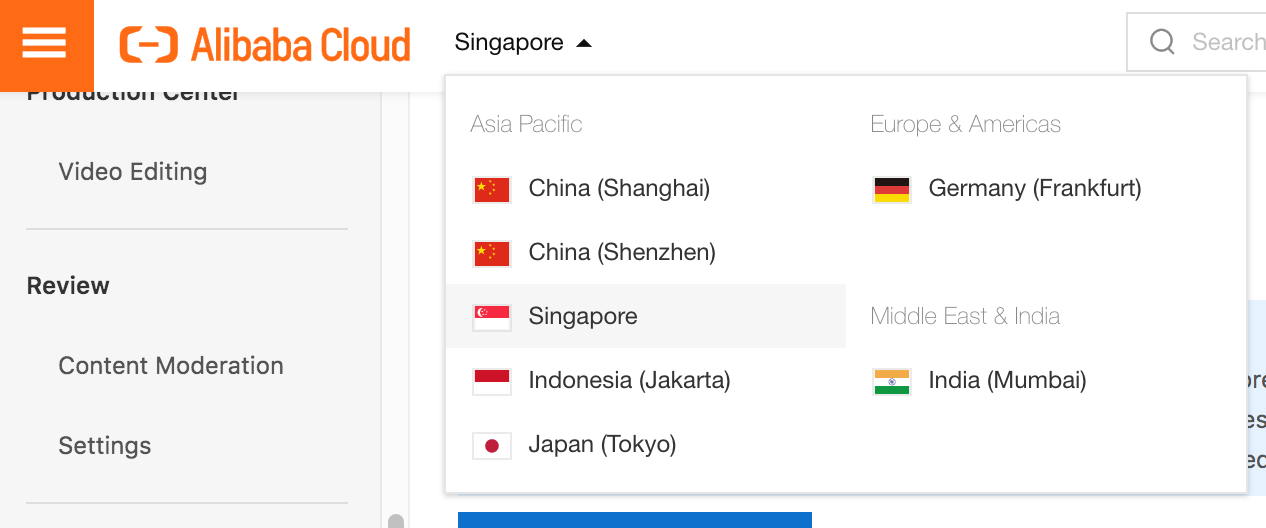
Step 2: Switch to Singapore Region
For this tutorial, I will be using an instance in the Singapore region.
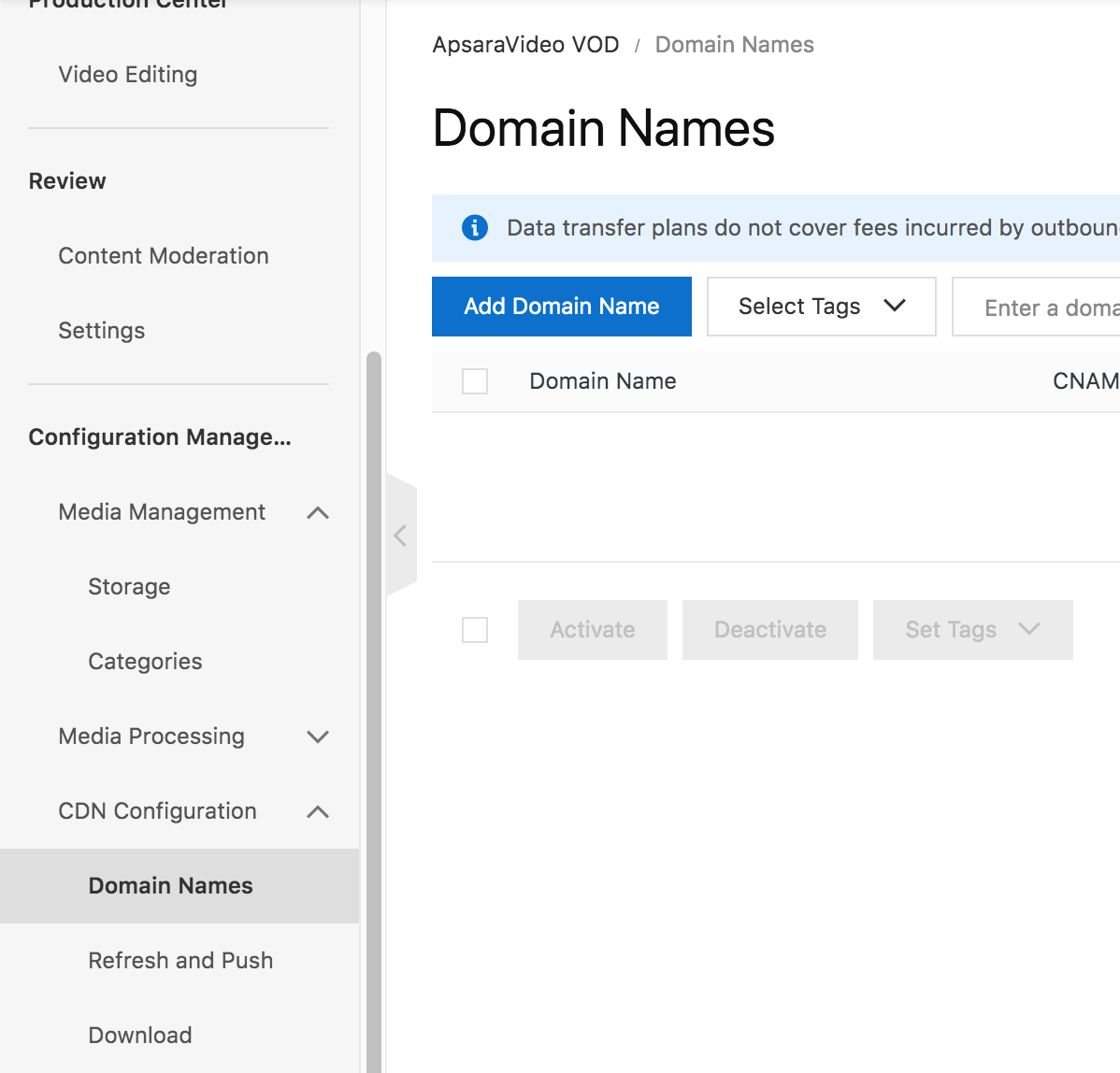
Step 3: Bind Domain Name to VOD
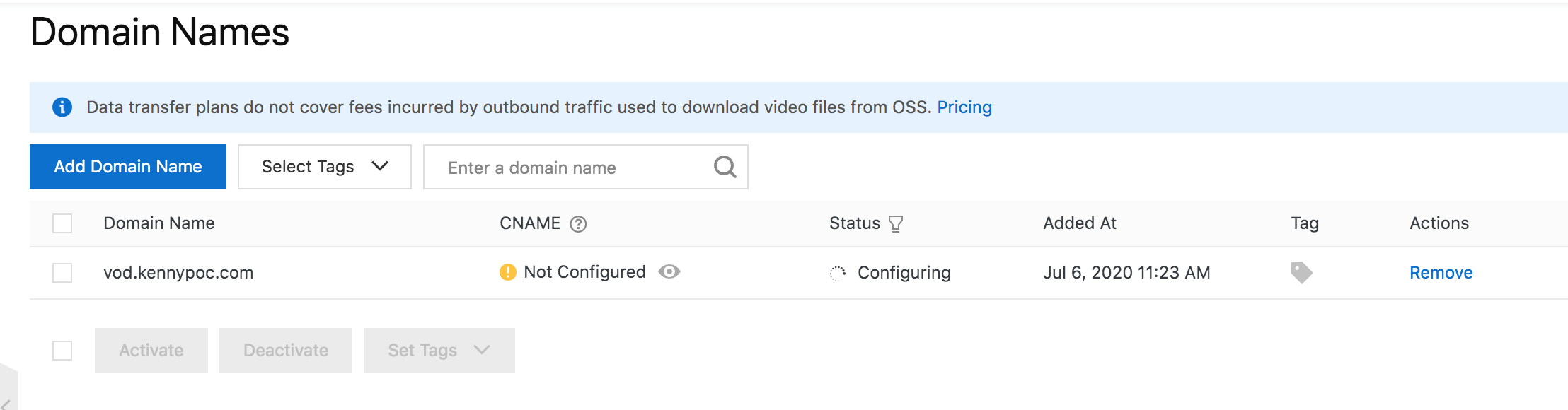
Bind a domain name to VOD under Configuration Management. Navigate to Domain Names and click on Add Domain Name
Fill in the Information Accordingly
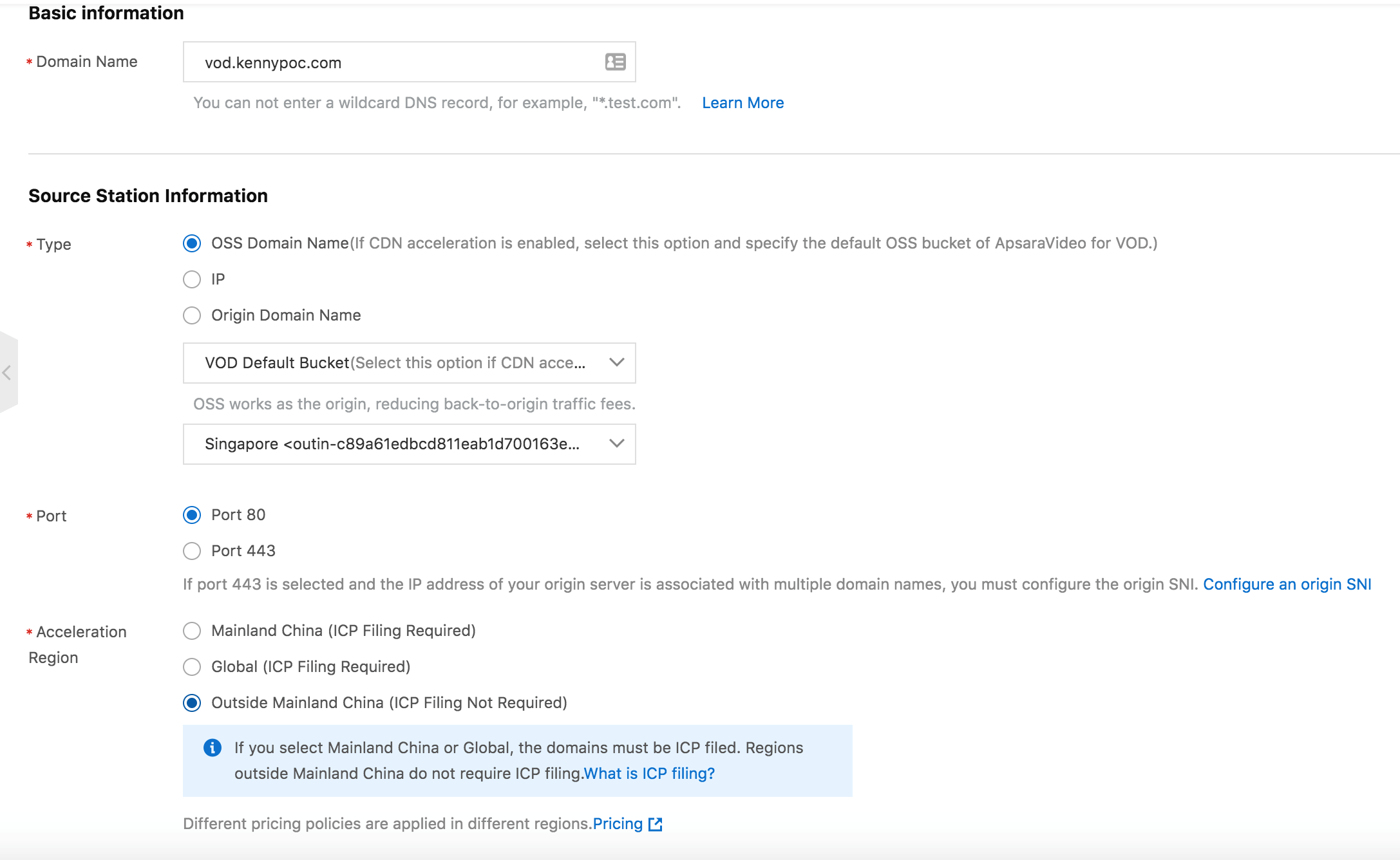
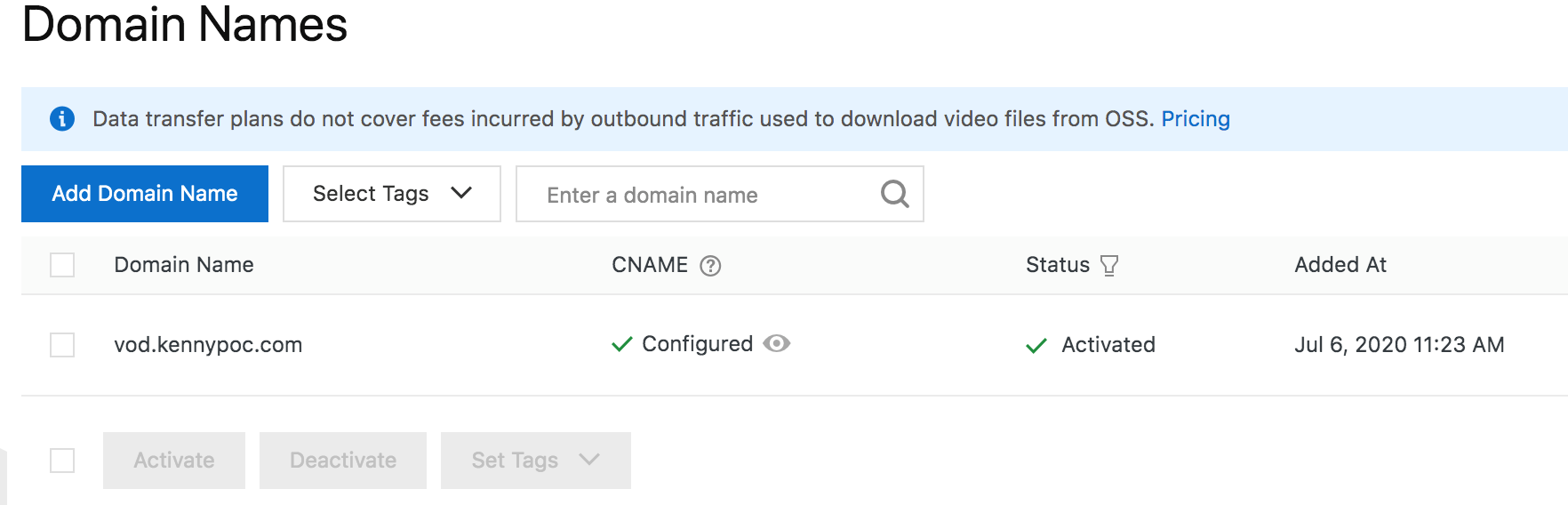
Click Submit. Wait until the CDN Configuration is done.
Step 4: Add Multibit Transcode Template
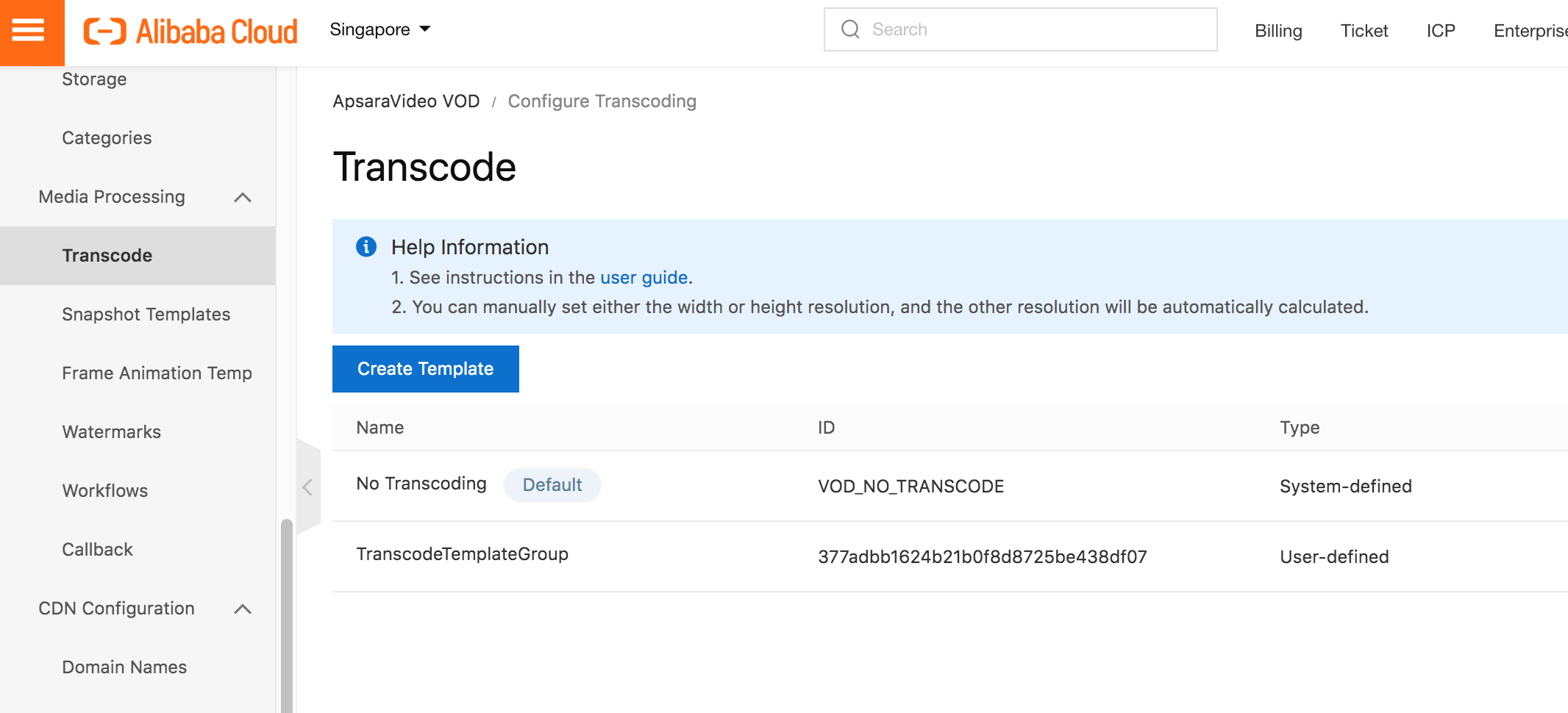
Navigate to Transcode section under Media Processing.
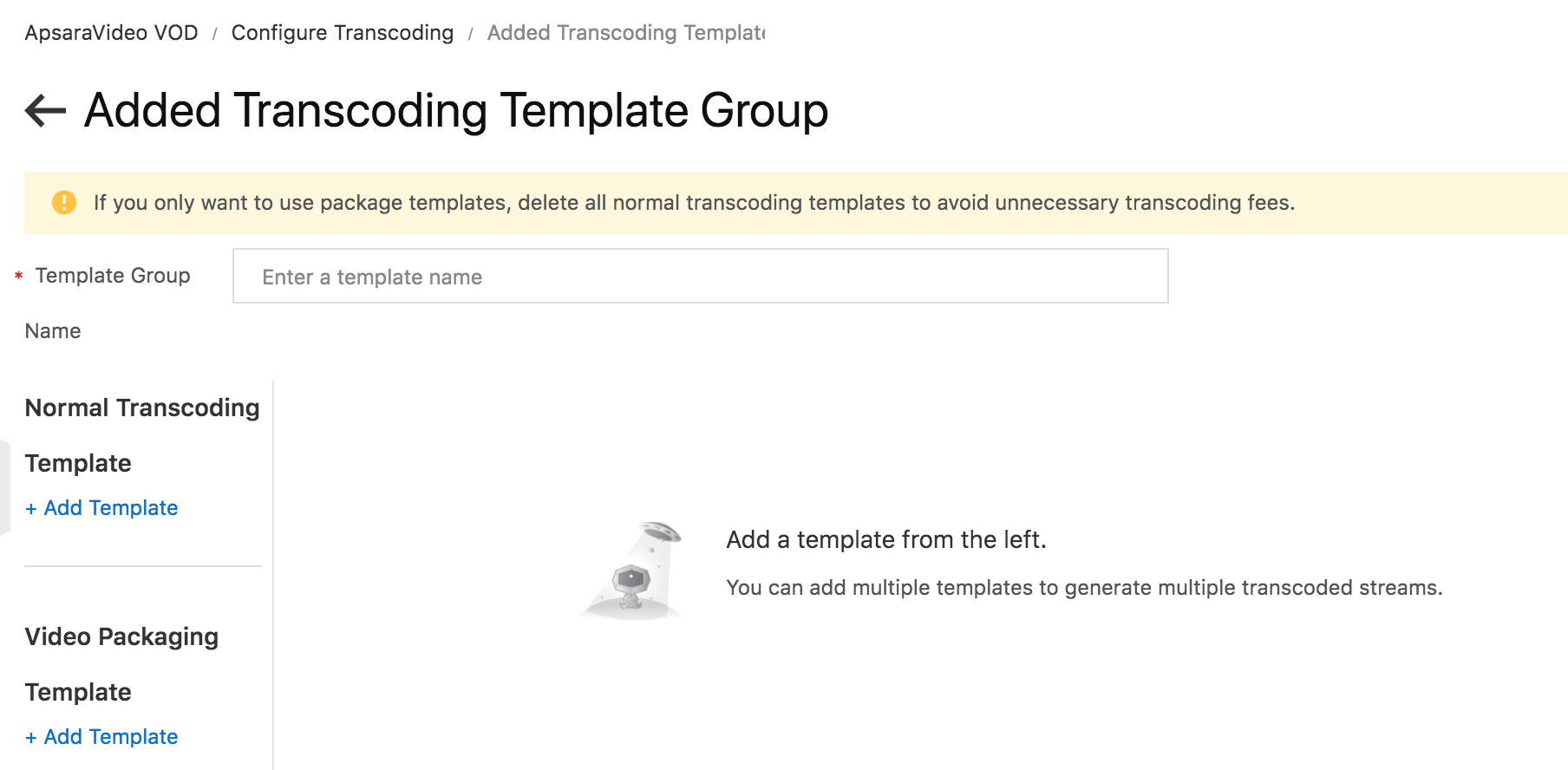
Add Video Packaging Template
Insert Template Group name: multibit
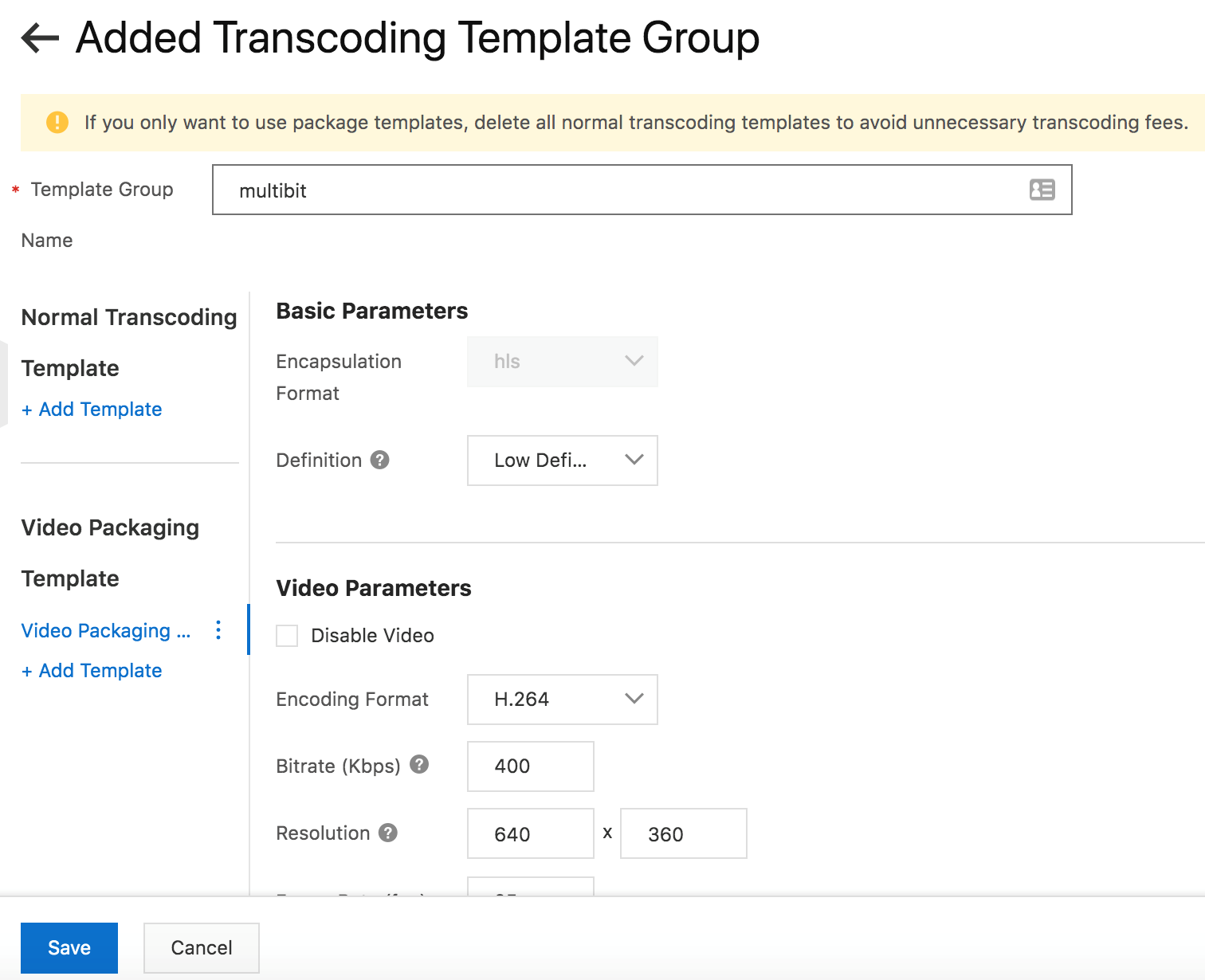
Rename the Video Template by clicking Edit
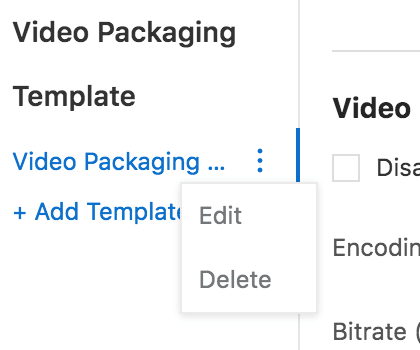
I have renamed my template to lowres
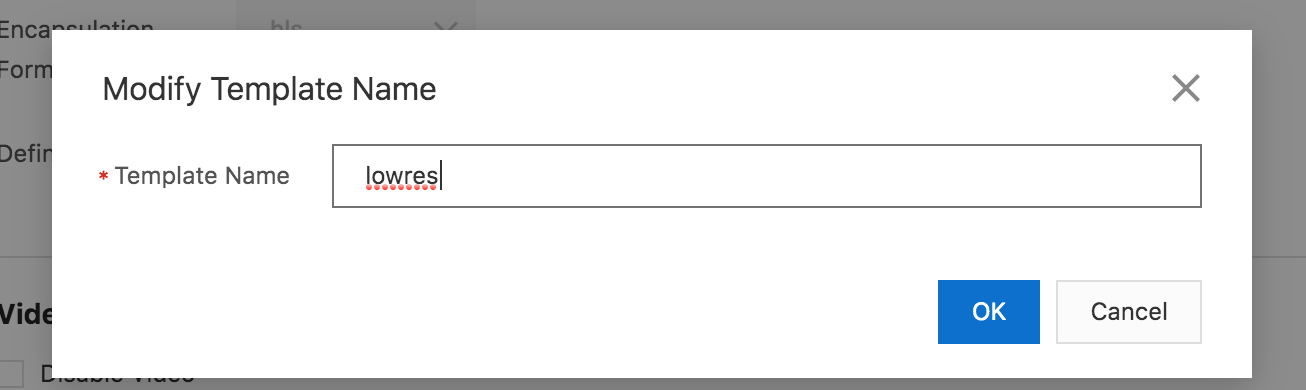
Click Add Template to add more resolution into the video packaging
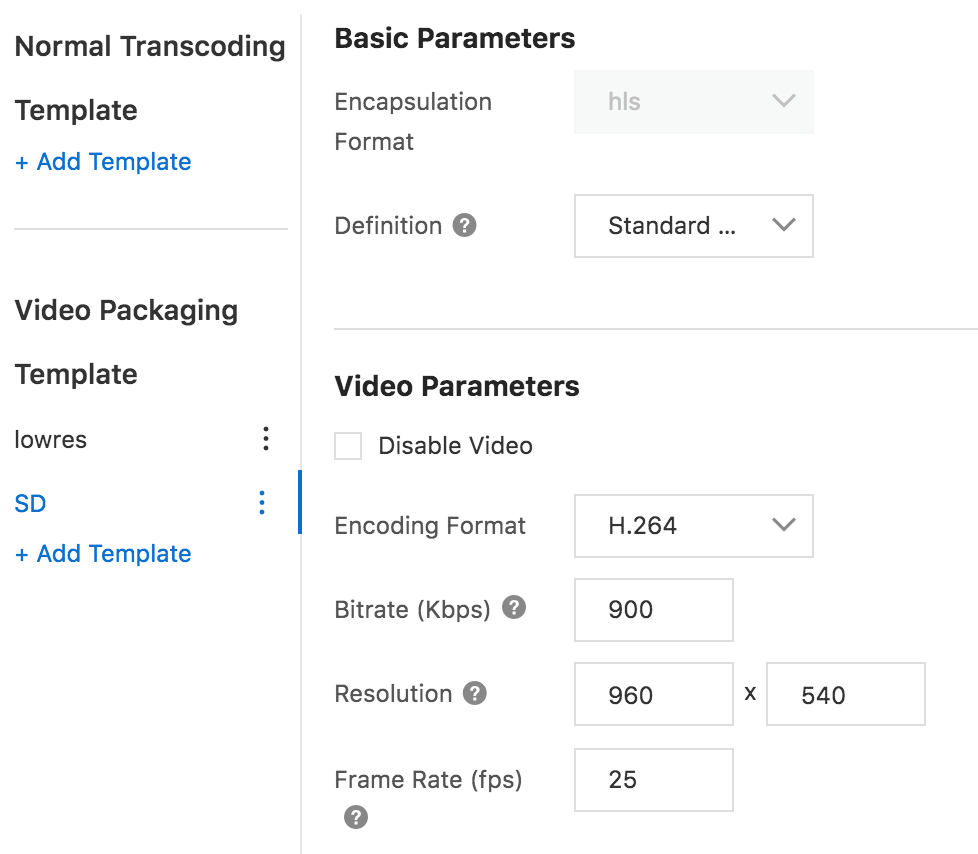
Click Save to save the template.
Now you have a multi bit transcode template

Step 5: Enable HTTPS
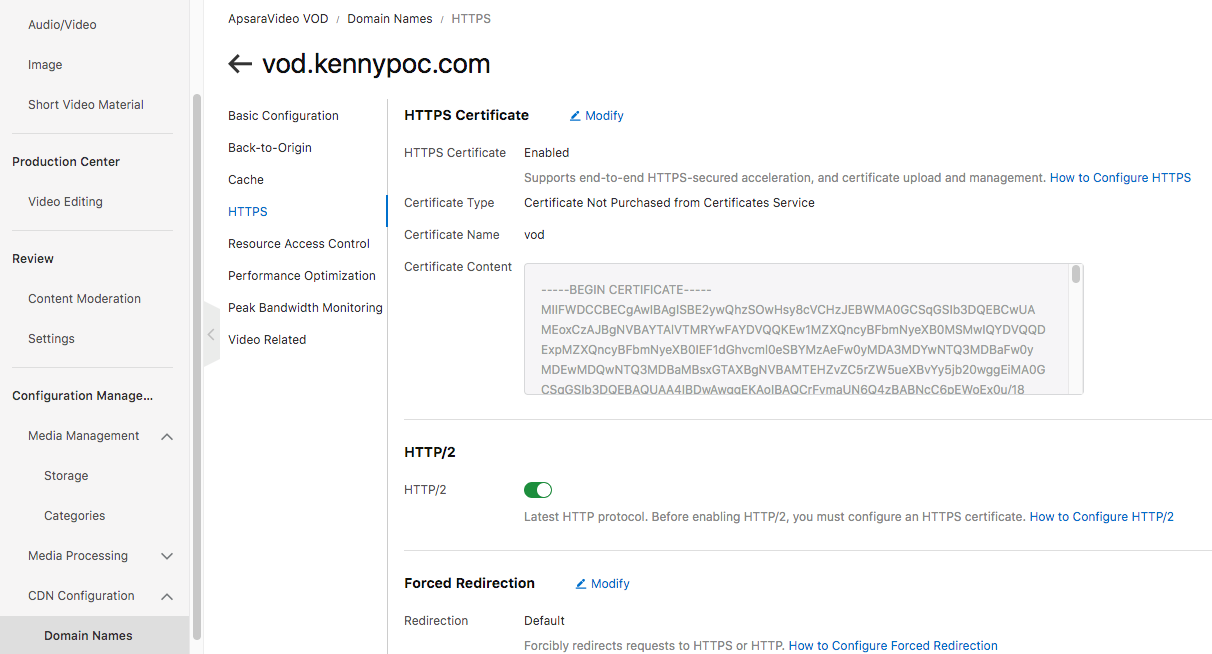
In Configuration Management > CDN Configuration > Domain Names > HTTPS, click Modify
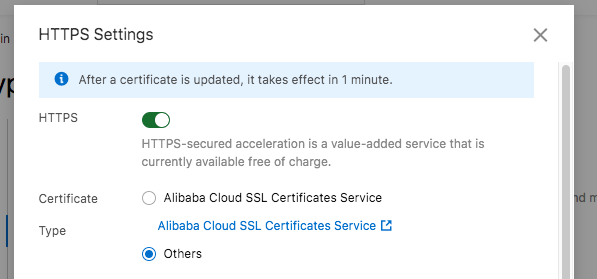
Ensure that HTTPS is turned on. You have to upload an SSL certificate here or via Alibaba Cloud SSL Certificate Service
Step 6: Upload Video to VOD
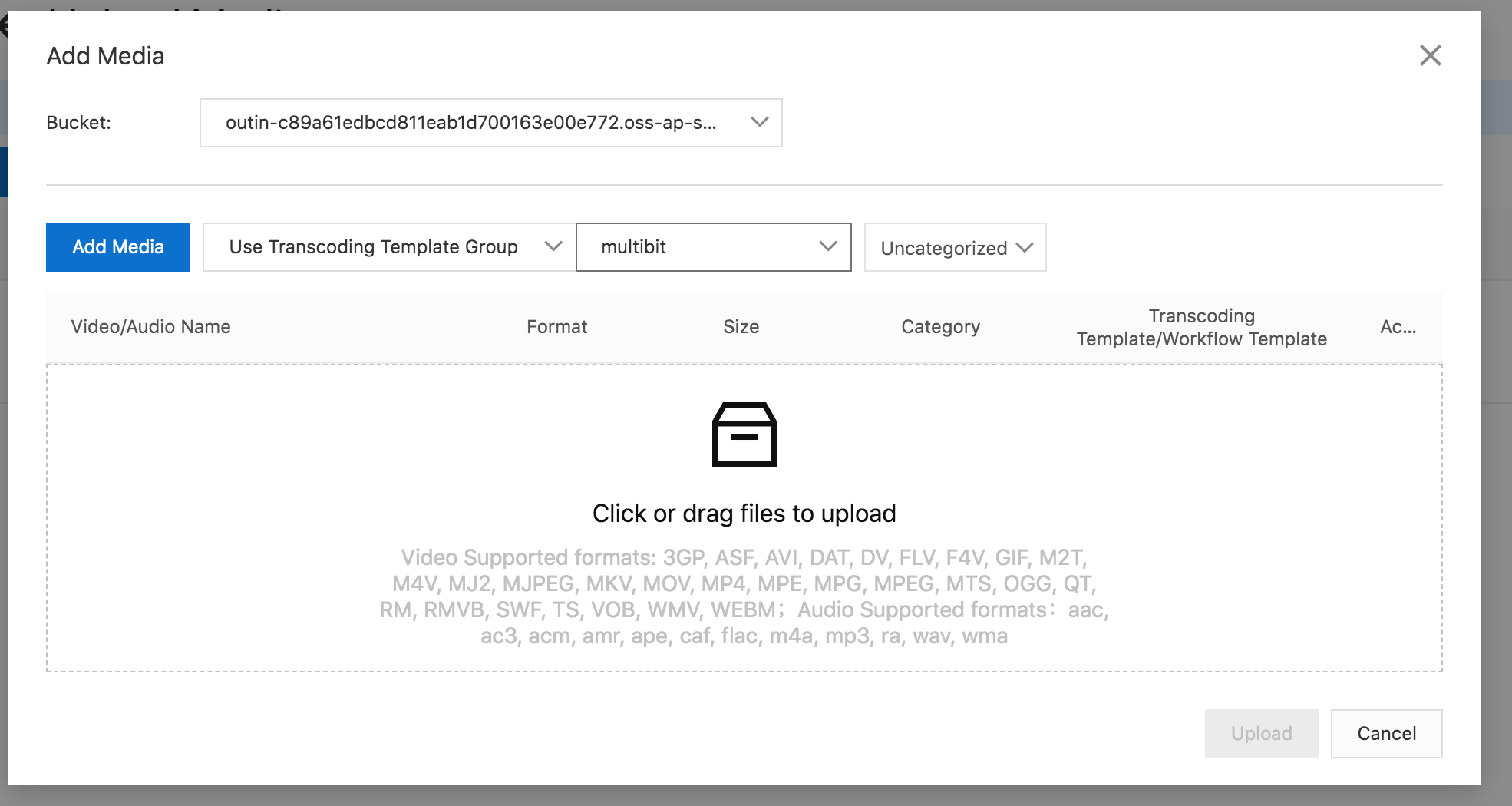
Go to Audio/Video and click Upload

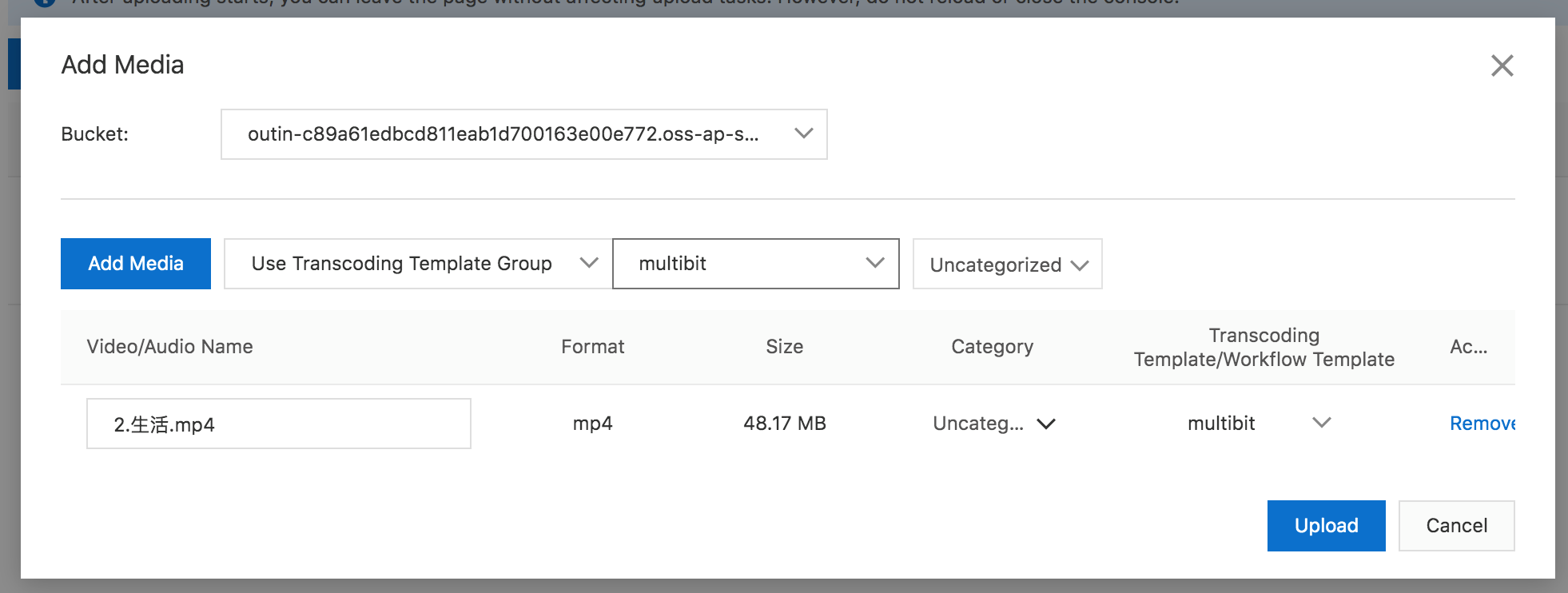
Select the multibit transcode and upload the media.
Click upload to upload the mp4 video

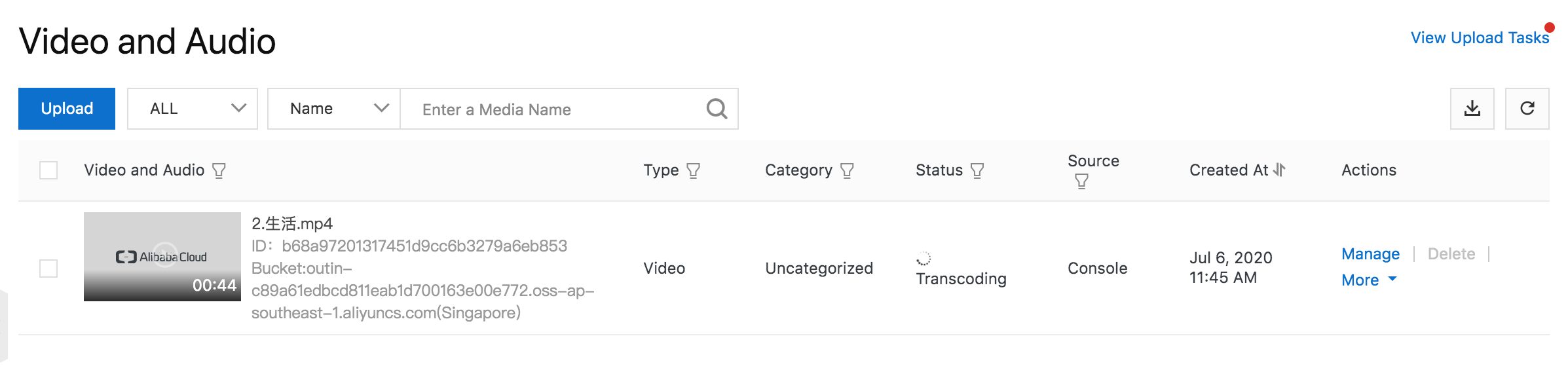
Go to Video and Audio to check the transcode status
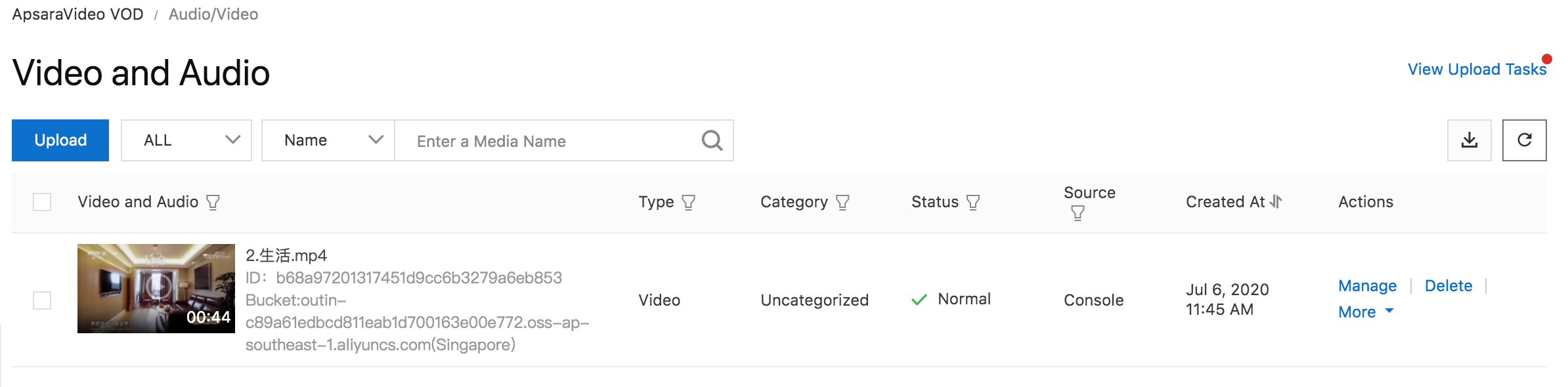
Wait until the status become Normal
Step 7: View Video URL
Click Manage
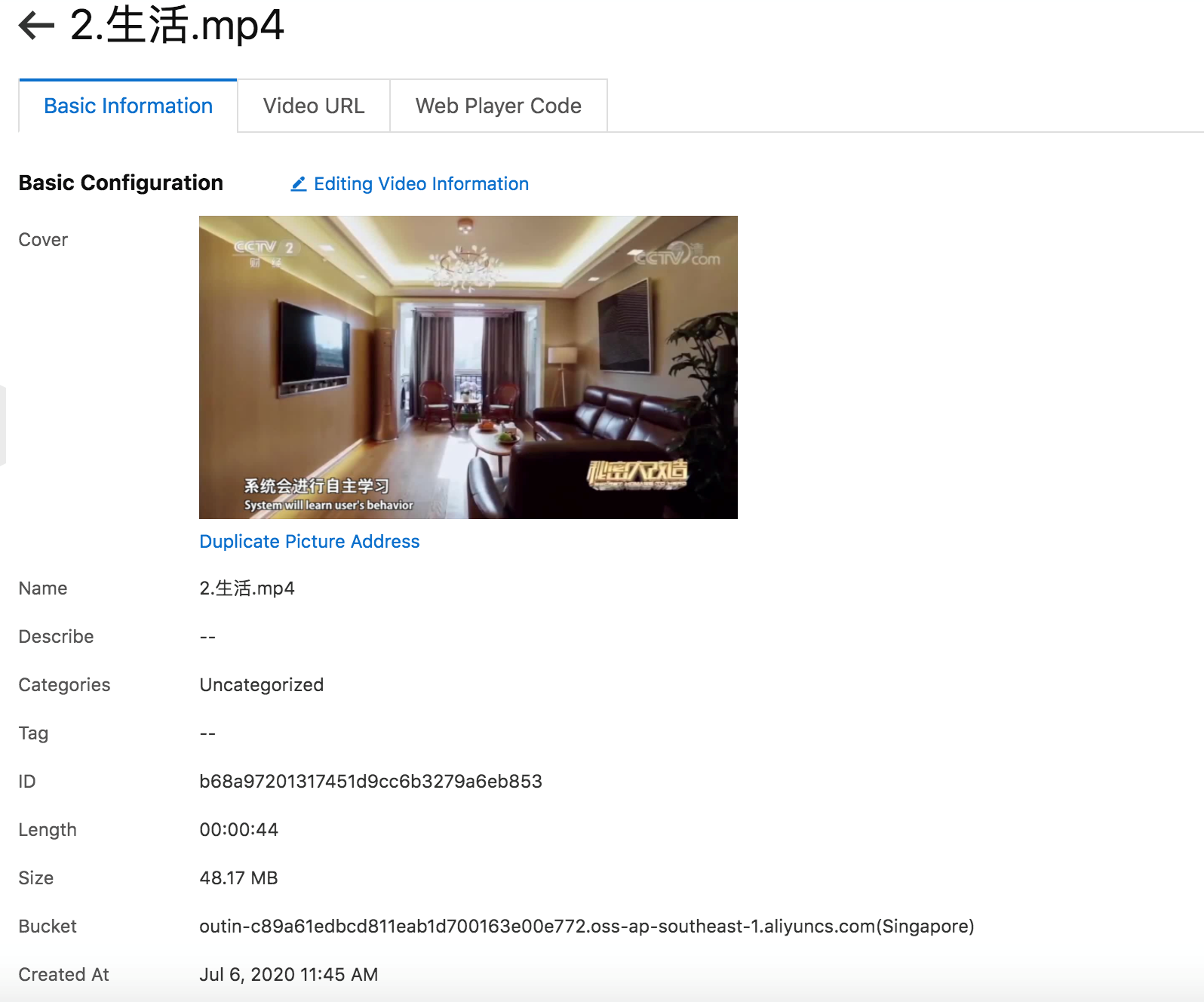
Click Video URL
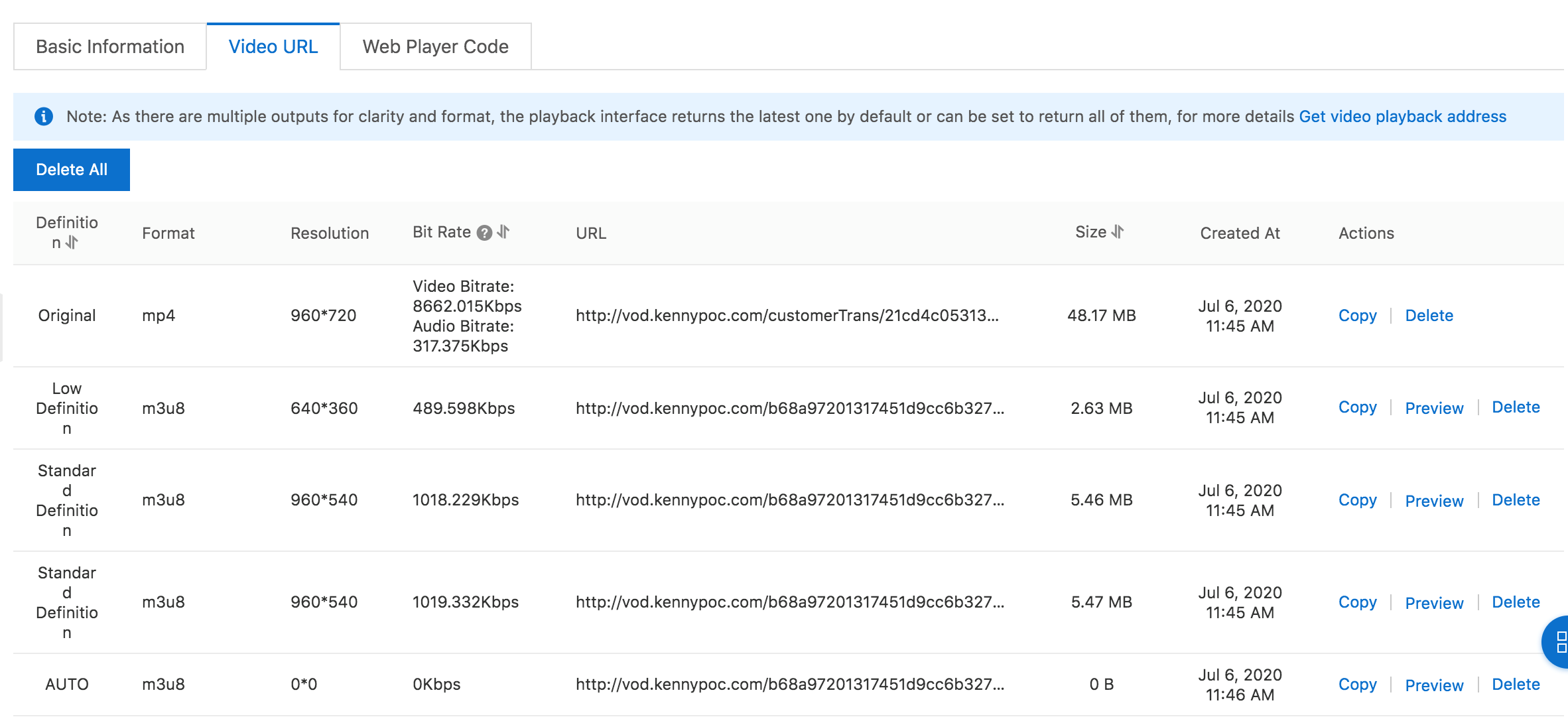
Copy the URL of AUTO (adaptive bit rate url)
Step 8: Embed the Video into js player
Go to https://player.alicdn.com/aliplayer/setting/setting.html
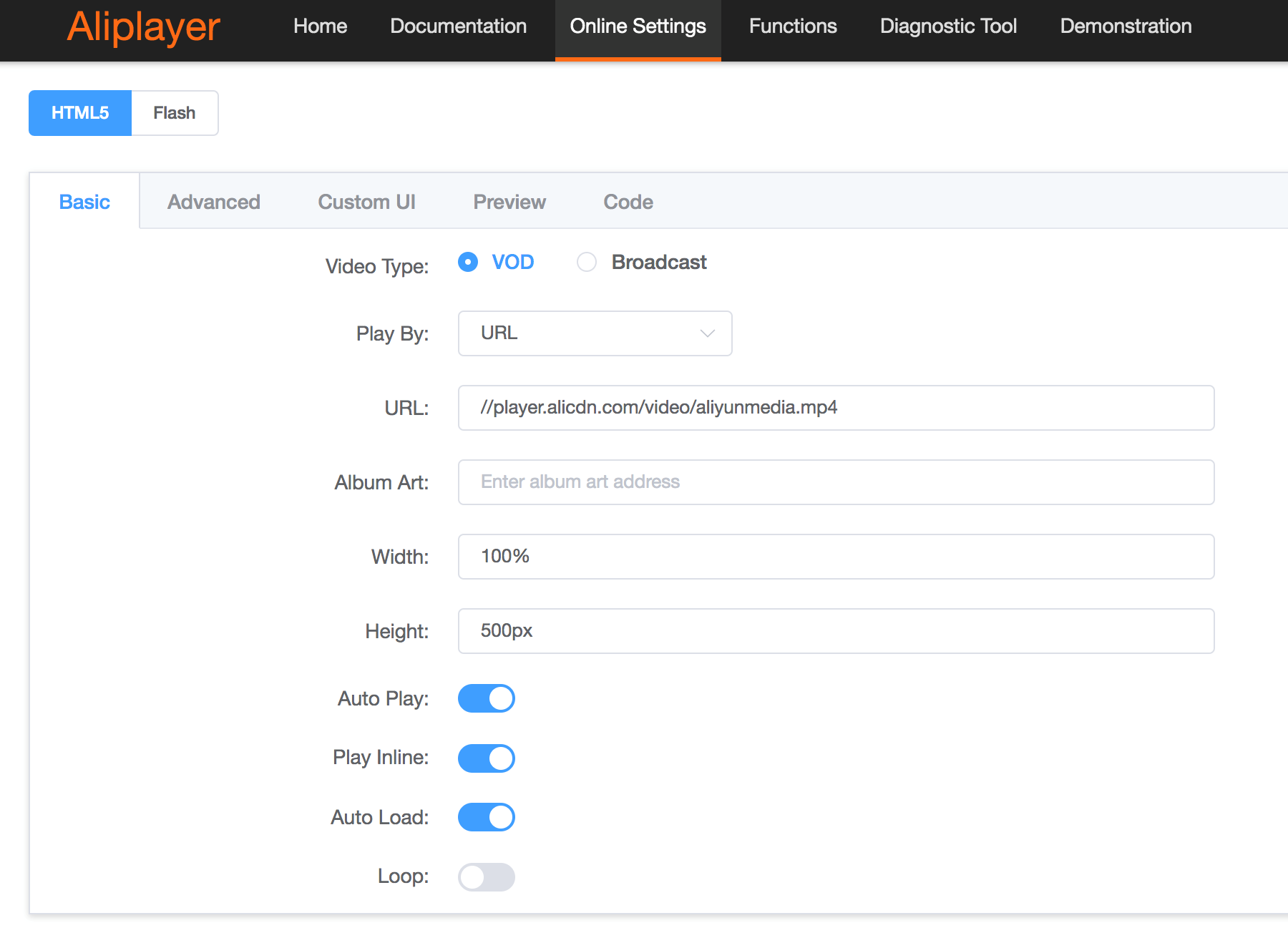
Paste the URL into URL field
And go to Code Tab
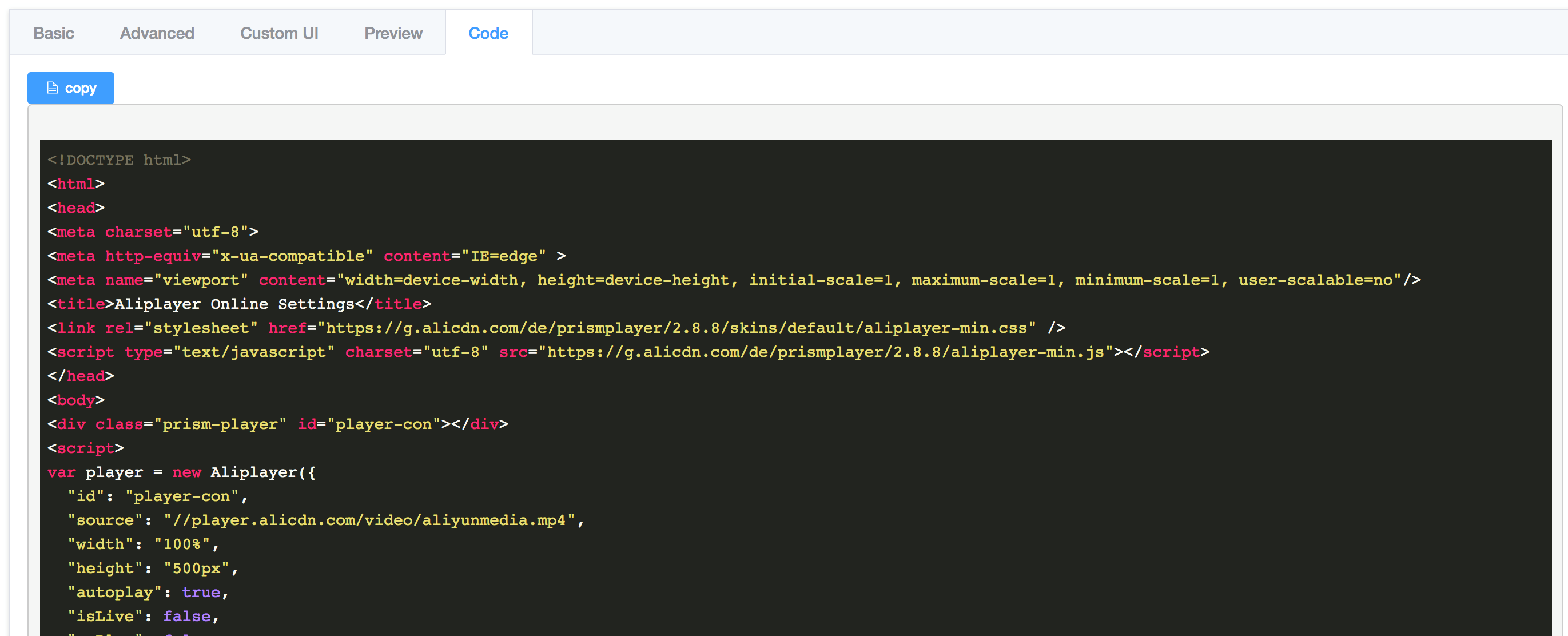
Click Copy button to download the source code and paste into the web page
With Video package template created, the HLS will bundle multiple resolution streaming into single URL and HLS player can adjust the bit rate accordingly.
Note: replace the URL https://yourdomain.com/yourvodURL.m3u8 with your actual VOD AUTO url.
Sample HLS Adaptive bitrate HTL player sample code
<!DOCTYPE html>
<html>
<head>
  <meta charset="utf-8">
  <meta http-equiv="x-ua-compatible" content="IE=edge" >
  <meta name="viewport" content="width=device-width, height=device-height, initial-scale=1, maximum-scale=1, minimum-scale=1, user-scalable=no"/>
  <title>Aliplayer Functions</title>
  <link rel="stylesheet" href="https://g.alicdn.com/de/prismplayer/2.8.8/skins/default/aliplayer-min.css" />
  <script type="text/javascript" charset="utf-8" src="https://g.alicdn.com/de/prismplayer/2.8.8/aliplayer-min.js"></script>
</head>
<body>
<div id="player-con"></div>
<script>
  var player = new Aliplayer({
    id: "player-con",
    source: "https://yourdomain.com/yourvodURL.m3u8",
    width: "100%",
    height: "500px",
    autoplay: true,
    isLive: false,
    language: "en-us"
  }, function (player) {
    console.log("The player is created");
  });
</script>
</body>
</html>
That's it! To learn more about Alibaba Cloud ApsaraVideo for VOD, visit the official product page
The views expressed herein are for reference only and don't necessarily represent the official views of Alibaba Cloud.
Read previous post:
Alibaba Cloud Partners with Aryaka to Deliver a Global and Fully Managed SD-WAN Solution
Read next post:
-

-
Alibaba Clouder
2,593 posts | 797 followers
Follow
Comments
-
-
Alibaba Clouder
2,593 posts | 797 followers
Follow
Related Products
-
 ApsaraVideo VOD
An all-in-one VOD solution
Learn More -
ApsaraVideo Live
A professional solution for live video and audio
Learn More -
 ApsaraVideo Media Processing
Transcode multimedia data into media files in various resolutions, bitrates, and formats that are suitable for playback on PCs, TVs, and mobile devices.
Learn More -
 Real-Time Streaming
Provides low latency and high concurrency, helping improve the user experience for your live-streaming
Learn More
More Posts by Alibaba Clouder
- MyBatis with a More Fluent Experience
- Alibaba Cloud Sustainability Report 2021
- Comparing CNI Models in Container Service for Kubernetes — Alibaba Cloud Series Part 1
- [Infographic] 5 Steps to Accelerate Your Digitalization in Asia
- Attackers Use the Vulnerability of ShowDoc to Spread Botnets
- Powerful: MyBatis and Three Streaming Query Methods
- What is the Difference between Spring Boot and Spring?
- What are the Differences and Functions of the Redo Log, Undo Log, and Binlog in MySQL?
- On the In-Depth Cluster Scheduling and Management
- Alibaba Technological Practices: Experiences in Cloud Resource Scheduling