When you apply a marketplace template or need to batch replace data fields across all widgets in a dashboard, manually updating each widget is inefficient. Quick BI provides global and widget-level data replacement to help you build dashboards faster and reduce the cost of switching datasets.
Prerequisites
You have logged on to the Quick BI console and are on the dashboard editing page. For more information, see Create a dashboard.
Global dataset replacement
Procedure
-
On the dashboard editing page, click the Replace Dataset icon in the top menu bar to view a list of all datasets in the current dashboard.

-
Click a dataset under Used Datasets to view all the fields used from that dataset. These fields include Dataset Fields and New Fields in Report.
Note-
Dataset Fields include original fields, calculated fields created in the dataset, and grouped dimensions.
-
New Fields in Report include calculated fields and grouped dimensions created in the report.

-
-
Click the
 icon to view the list of widgets that use the dataset.
-
If a dataset in the Used Datasets list needs to be replaced, select an existing dataset from your workspace from the Replace with Dataset list on the right.
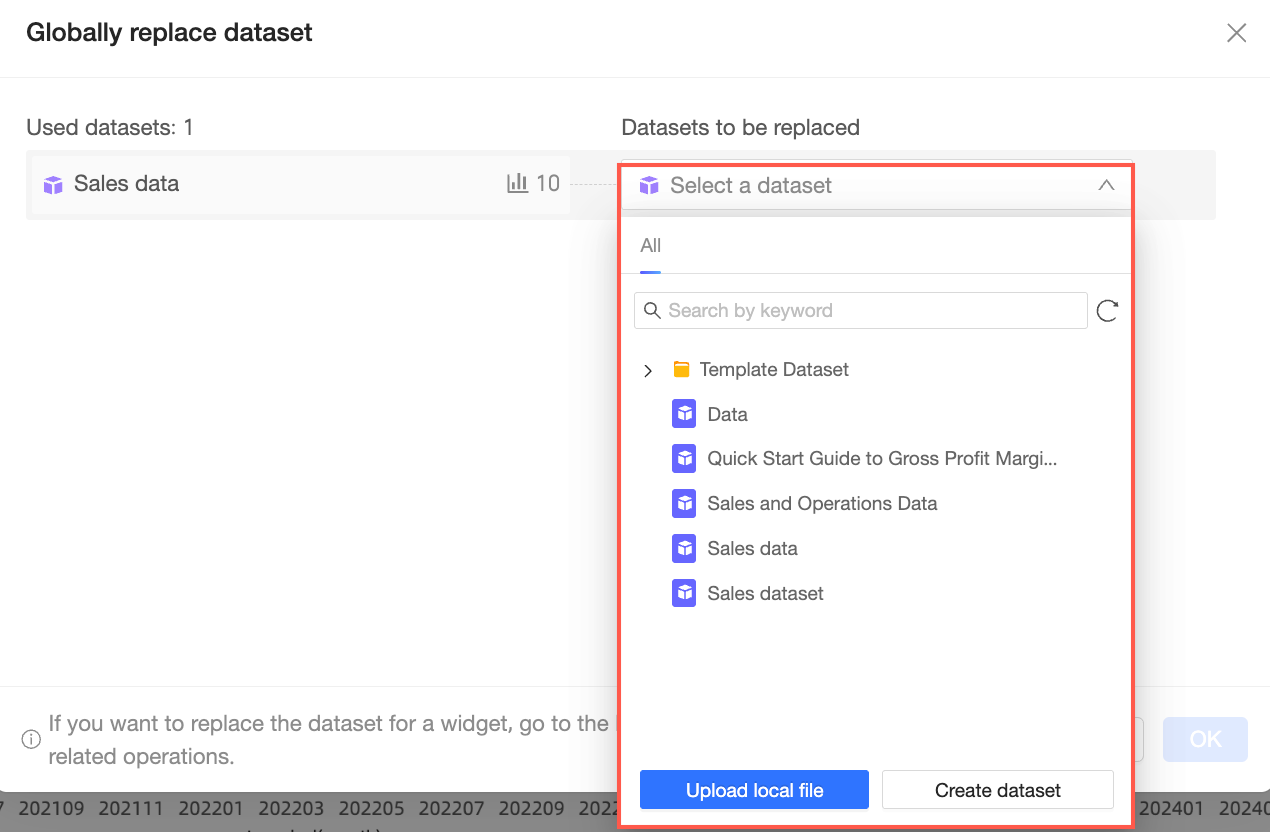
-
After you select a dataset, you must match the Dataset Fields and New Fields in Report between the two datasets.

-
Dataset field matching
-
Dataset fields with the same field name and field type are automatically matched.
-
You can manually match dataset fields that have different names but the same type.

-
Only fields of the same type are shown for matching. If the target dataset has no fields of the same type, you must choose a different dataset or remove the fields from the report.

-
-
New fields in report matching
Two modes are supported: Full Replacement and Split and Replace.
-
Full Replacement: The matching logic is the same as for dataset field matching.

-
Split and Replace: The system parses the expression of the new report field. Match the fields and placeholders in the expression, and the system automatically creates a corresponding field in the target dataset.

If a new field created in the report uses a placeholder, you can select Create and Replace. A new placeholder with the same name is automatically created in the target dataset.
 Note
NoteIf a field, such as "Profit Amount", already exists in Dataset Fields, it is automatically matched during the Split and Replace process for New Fields in Report. You cannot modify this match.
-
-
-
After all fields are matched, click OK to complete the dataset replacement.

Widget-level data replacement
Widget-level data replacement currently supports only full replacement.
Scenarios
-
Copying widgets or reference cards from other dashboards requires reconfiguring all fields and field-related settings, which is time-consuming.
-
Widget-level dataset replacement lets you swap the dataset for a single widget, improving configuration efficiency and reducing the cost of switching datasets.
Procedure
-
Replacement entry point

-
Click the switch box to switch between used datasets and all datasets. This action also clears the field configurations.
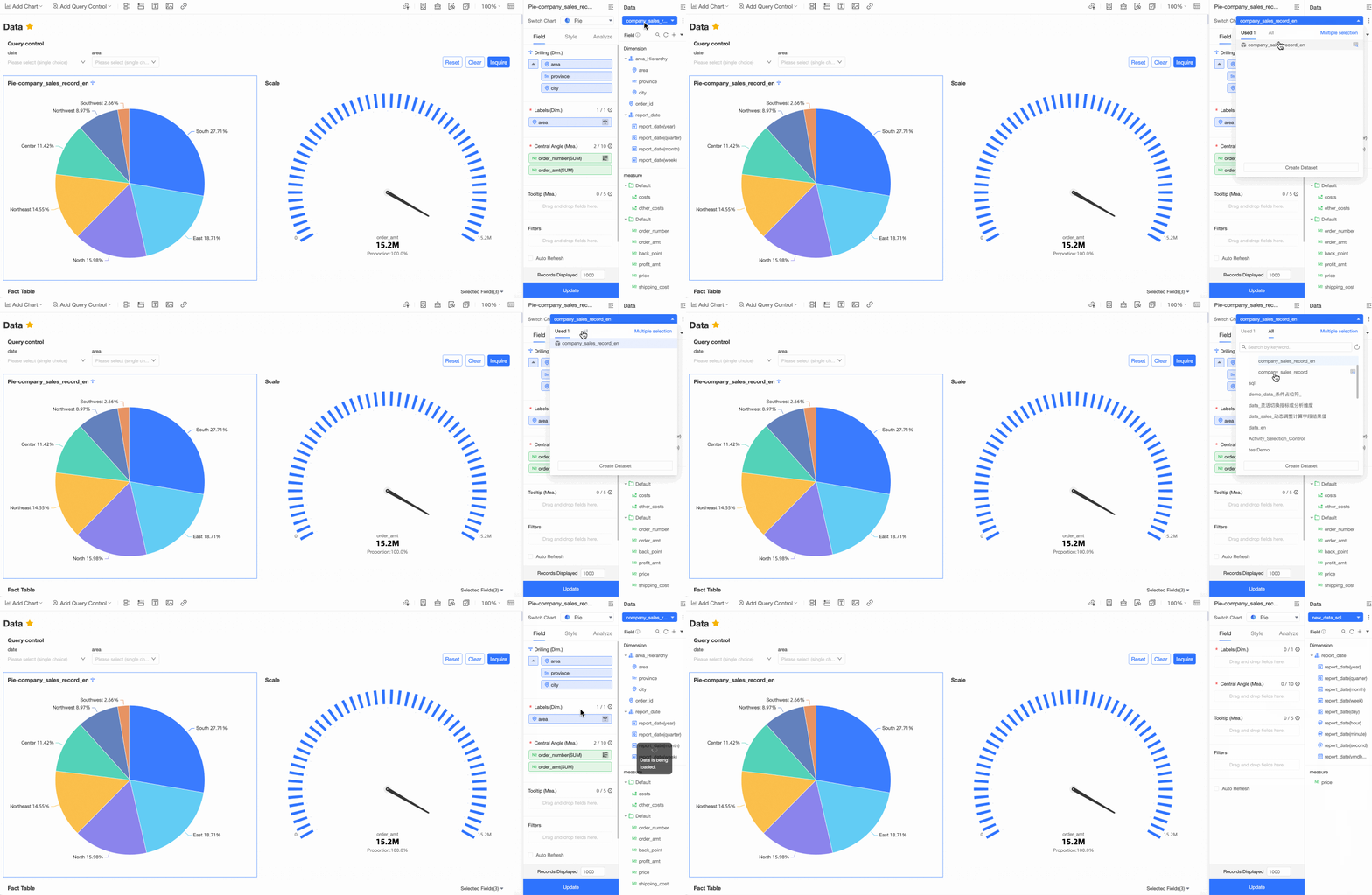
-
If you want to replace the dataset but keep the field configurations, click the
 icon to the right of the dataset name.
Select Replace Current Dataset to replace the dataset.
 Note
NoteIn addition to the configurations on the Fields tab, settings on the Analysis tab are also replaced. These settings include conditional formatting, auxiliary lines, monitoring and alerts, and annotations.
Notes
-
Special widgets
-
Query controls and query controls within tabs do not support widget-level data replacement. Clicking them defaults to Switch Dataset and Clear Field Configurations.

-
For a Rich Text widget, if it references fields from multiple datasets, subqueries are displayed on the widget dataset replacement page. You must replace each subquery separately.
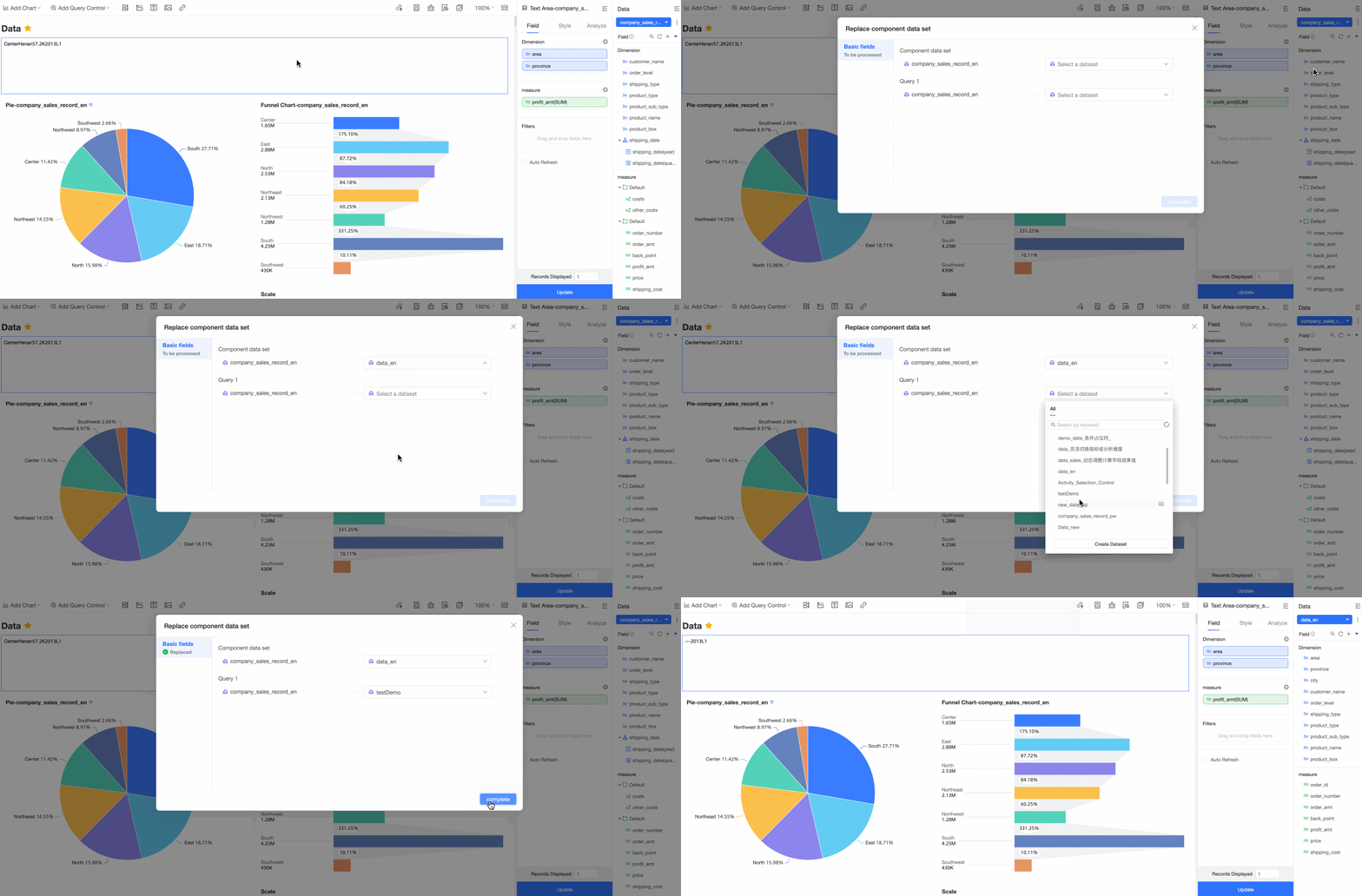
-
-
Special configurations
If your chart is configured with remarks or endnotes that reference fields from multiple datasets, subqueries are also displayed on the widget dataset replacement page. You must replace each subquery separately.
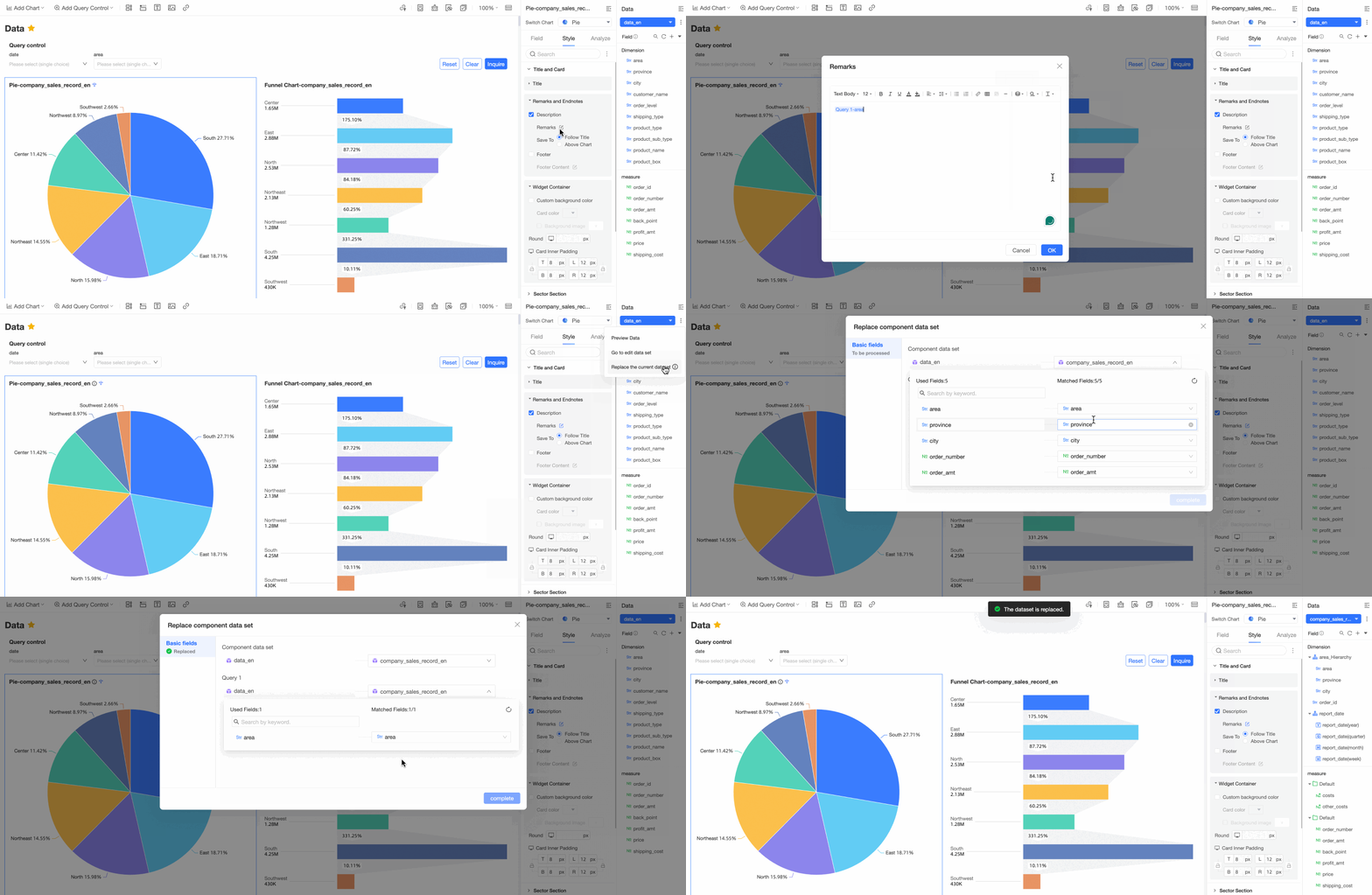
FAQ
What do I do if I cannot find the target dataset in the drop-down list?
-
On the dashboard editing page, click the
 icon in the upper-left corner.
-
In the navigation pane on the left, click Datasets.
-
In the Datasets list, check if the target dataset exists.
If the dataset is not in the list, its creation may have failed. Create the dataset again. For more information, see Create a dataset.