The permission administrator can grant multiple developers the permissions to edit or use a data source in a workspace.
Background information
When the permission administrator grants permissions to developers, the permission attributes in the Collaborative state and Private state are different, as shown in the following figure.

Take note of the following points on collaborative authorization:
Edit permission: A developer to whom the permission administrator grants this permission can create, edit, replace, or delete a data source.
Use: A developer to whom the permission administrator grants this permission can create a dataset based on a data source.
Use scenarios
Scenario | Expected effect |
This allows Developer B to operate the data source in the workspace. | |
This allows Developer B to create a dataset based on a data source in the workspace. |
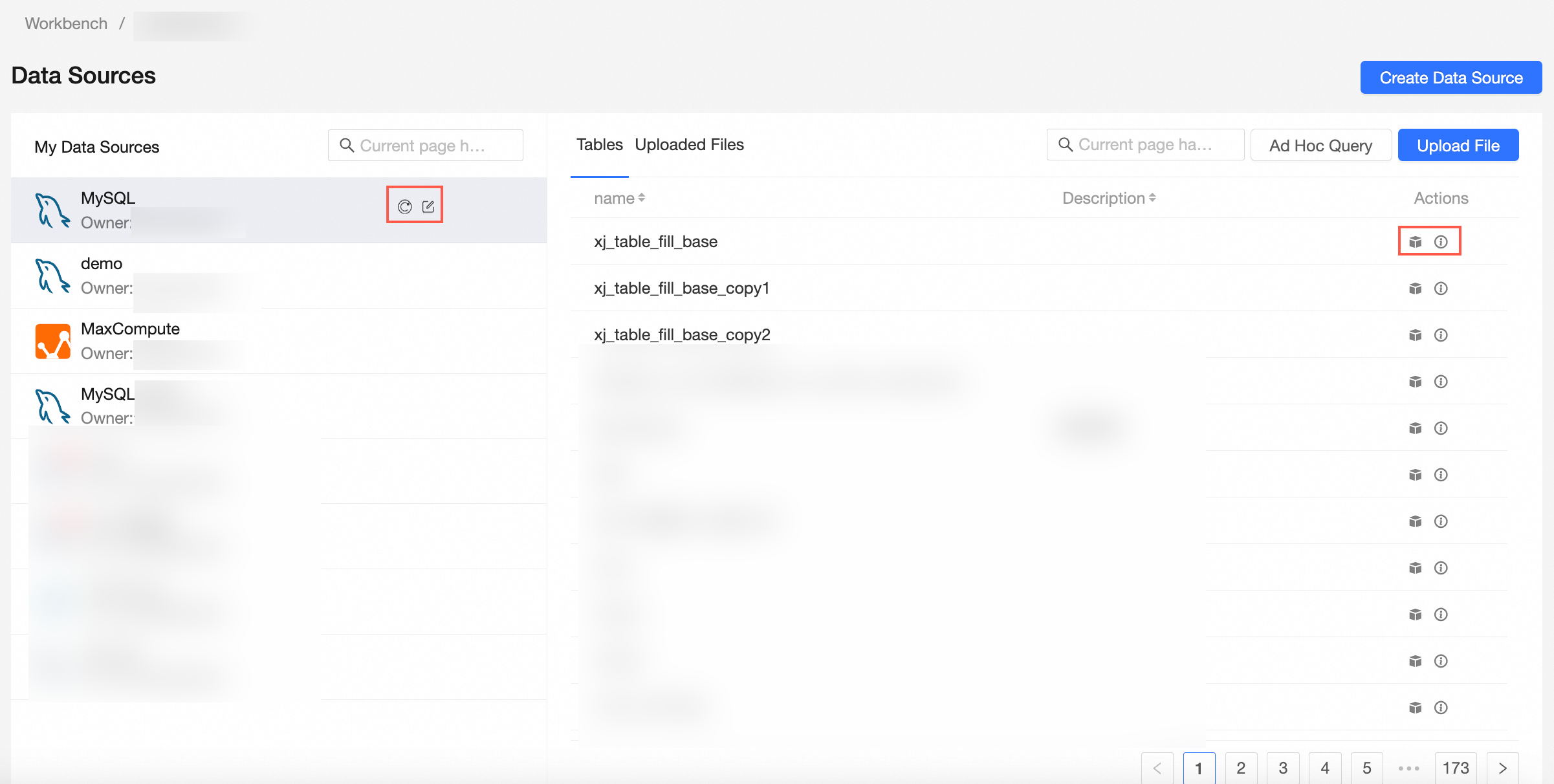
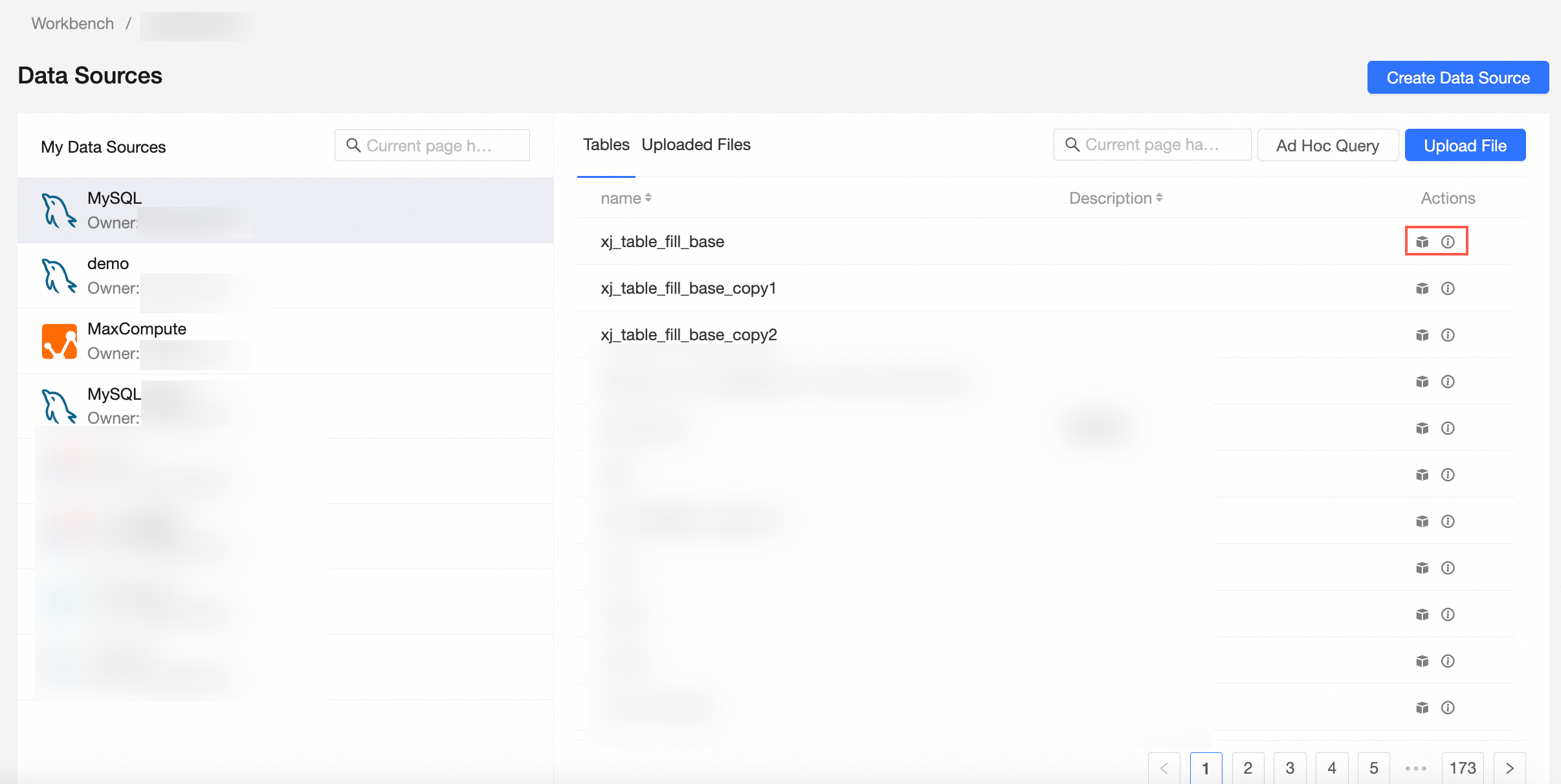
Scenario 1: Grant the Edit permission on a data source
If you select Specified Members or All Workspace Members for Editing Permission, the permission administrator grants the developers of the workspace the permissions to edit the data source.
On the Centralized Authorization page, select a workspace and a data source.
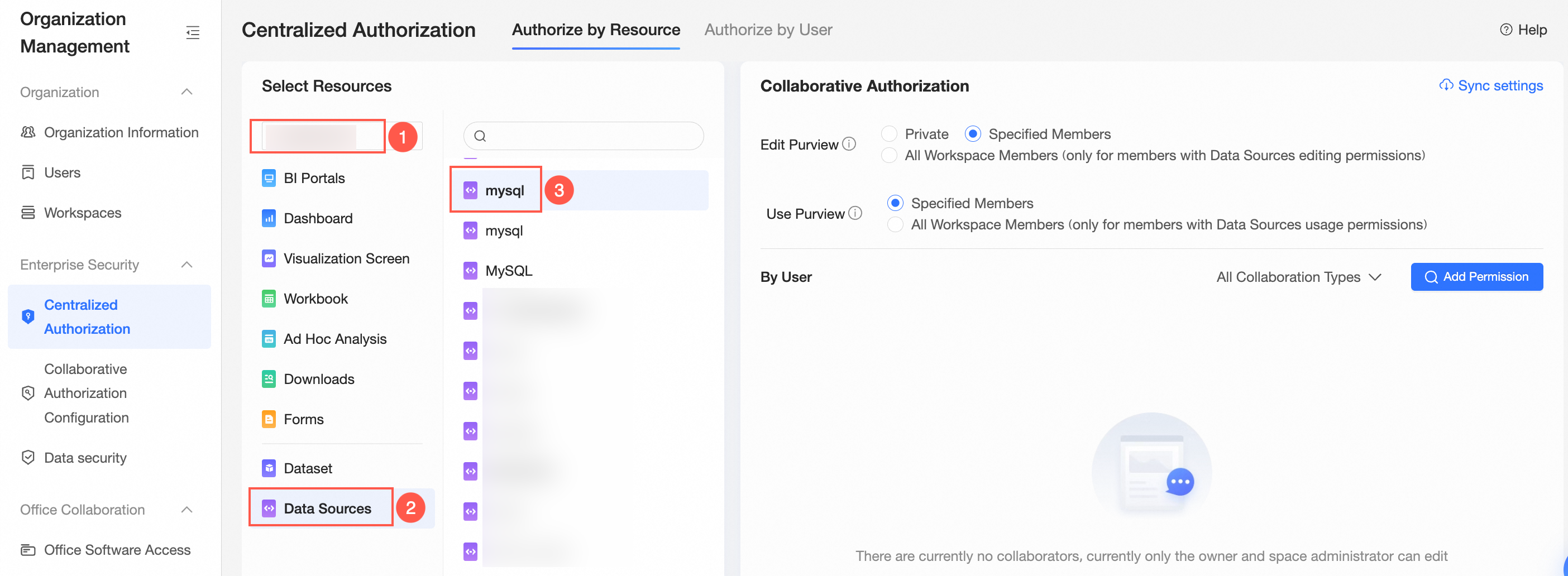
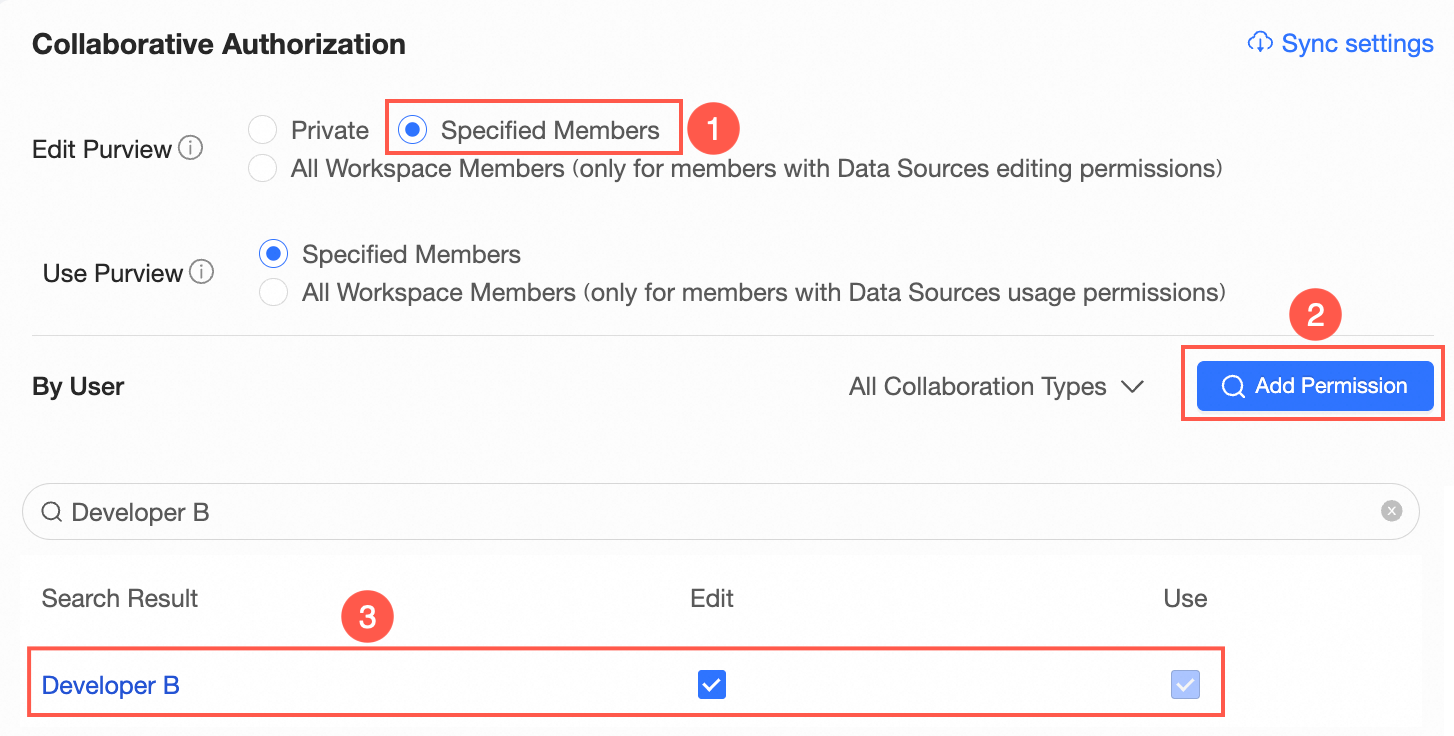
On the Collaboration Authorization page, select Edit Permission and grant permissions.
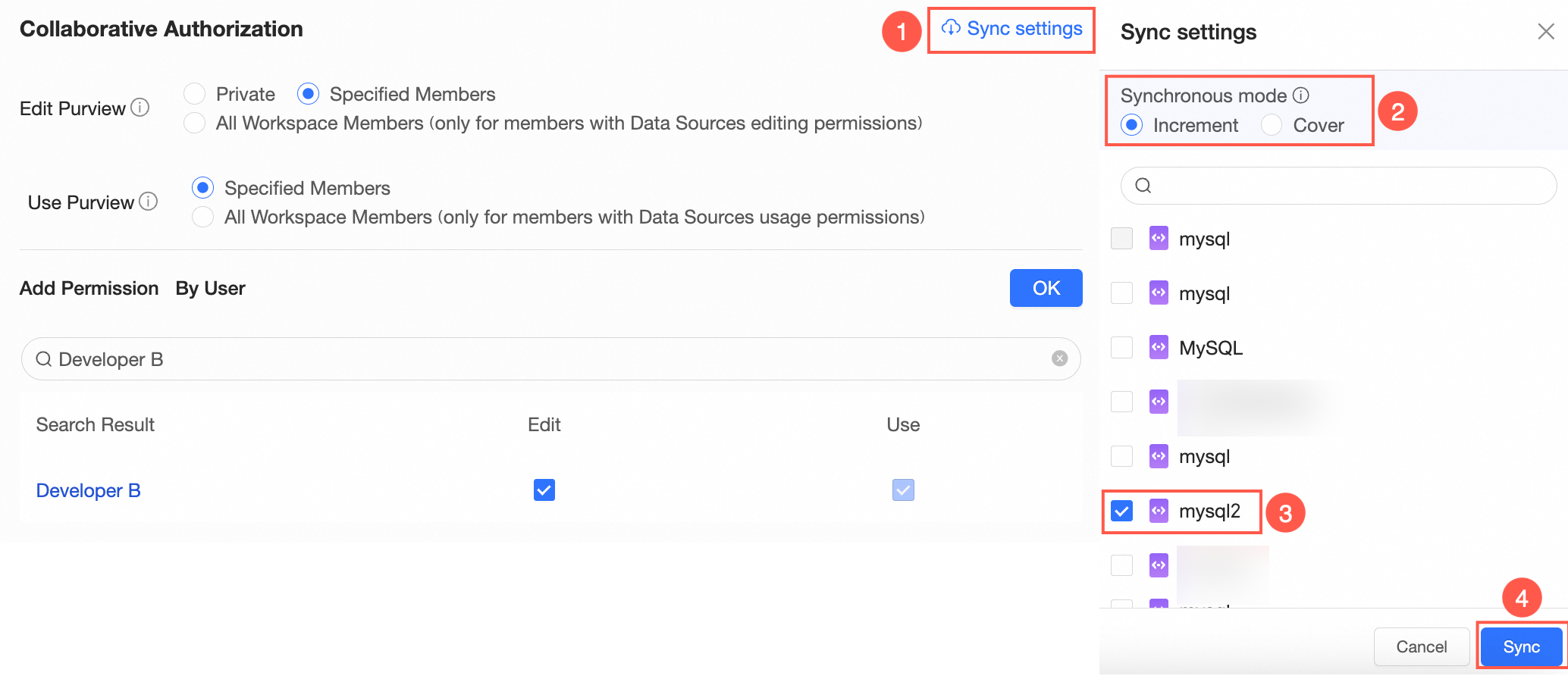
The following figure shows that Specified Members is selected for Editing Permission and Developer B is granted the Editable permission.
 Note
NoteAfter the permission administrator grants Developer B the Edit permission on the data source, Developer B can edit or use the data source. After you grant the Edit permission to Developer B, you can change the permission from Edit to Use in the future based on your business requirements.
Optional: Synchronize permissions.
If Developer B needs to edit another data source in the same workspace, the permission administrator can click Synchronization Settings, select a data source, and then click Sync.
For example, developer B is granted the edit permission on the cloud mysql80 data source. After the permission is synchronized, developer B can also edit the oracle data source.
 Note
NoteSynchronization Mode supports Incremental Synchronization and Overwrite Synchronization.
Incremental Synchronization: The original permissions of the resources to be synchronized are not affected.
Overwrite Synchronization: clears the original permissions of the resource to be synchronized and overwrites the permissions of the resource with the permissions of the current resource.
Scenario 2: Grant the Use permission on a data source
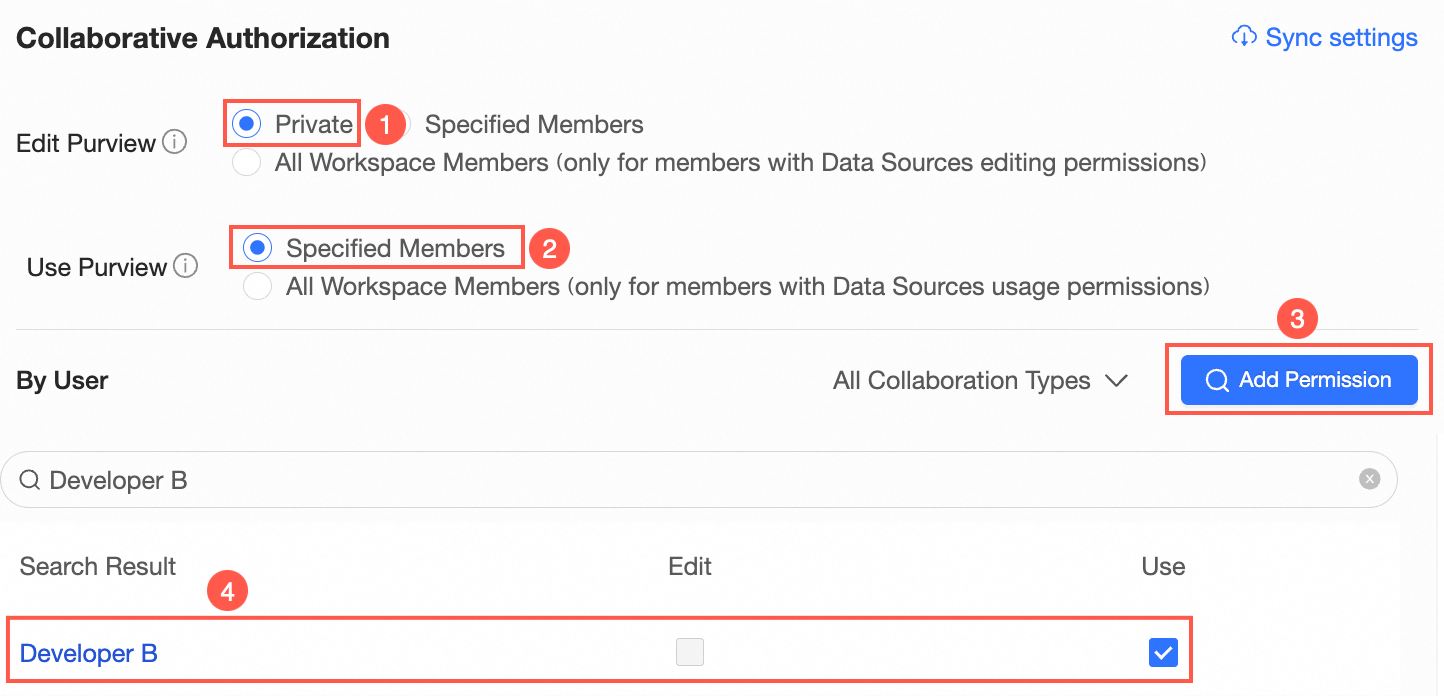
If the Editing Permission parameter is set to Private, the permission administrator can grant developers in the current workspace the Use permission on a data source.
In this example, Developer B is granted the permissions to use the mysql80 data source.
On the Centralized Authorization page, select a workspace and a data source.
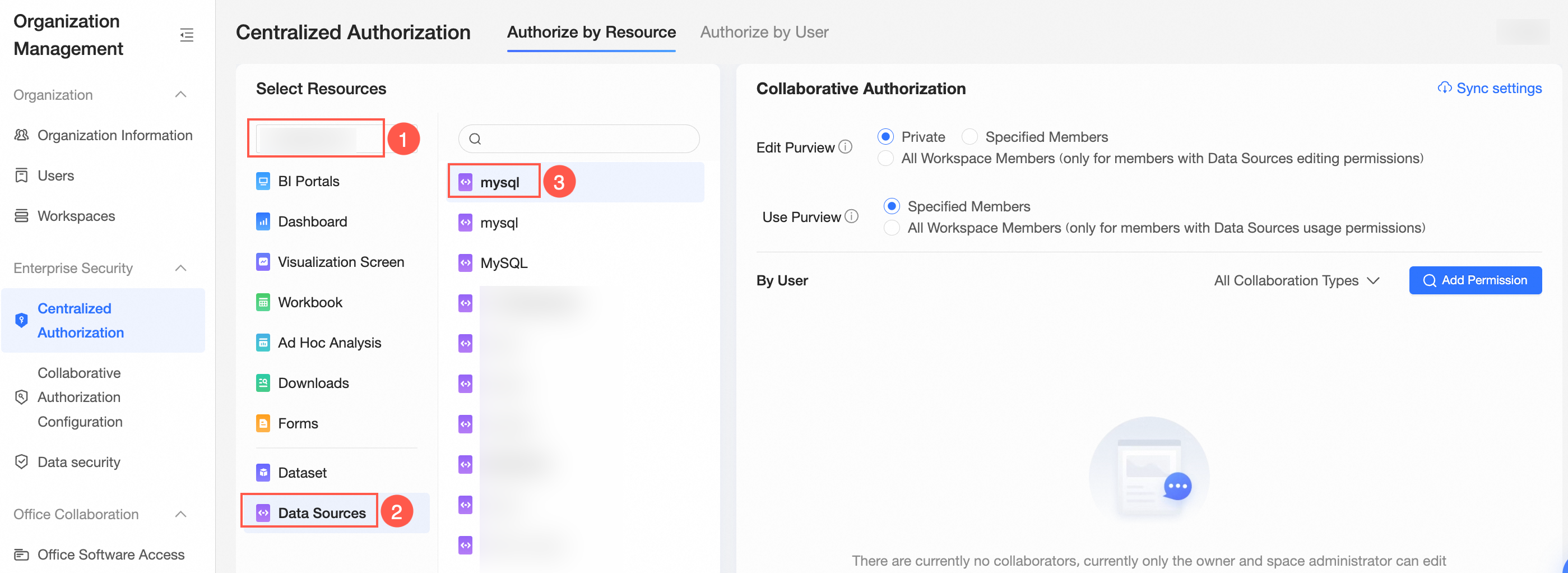
On the Collaboration Authorization page, set the Edit Permission property to Private, select a permission property, and grant the permission.
The following figure shows that Specified Members is selected for Use Permission and Developer B is granted the permissions to use the data source.
Optional: Synchronize permissions.
If Developer B needs to use another data source in the same workspace, the permission administrator can click Synchronization Settings, select a data source, and then click Sync.