From Cloud Native to Agentic Native: PolarDB for PostgreSQL Rebuilds the Data Foundation for AI Agents
By Alibaba Cloud PolarDB team
Agents are moving into the core workflows of software development, data analysis, and business services. As generative AI and autonomous agents mature, more enterprises are putting them to work creating environments, calling tools, and executing tasks.
An agent is no longer just an assistant that offers suggestions. It can create environments, read and write data, call tools, and deliver results on its own, driven by a goal.
1. Agents are changing how data infrastructure gets used
As agents increasingly initiate environment creation, data access, and application delivery, the actors using data infrastructure expand beyond human developers and fixed applications to agents that call tools and execute tasks on their own. This shift brings three fundamental changes to who uses the infrastructure, how work gets done, and where the capability boundary lies.
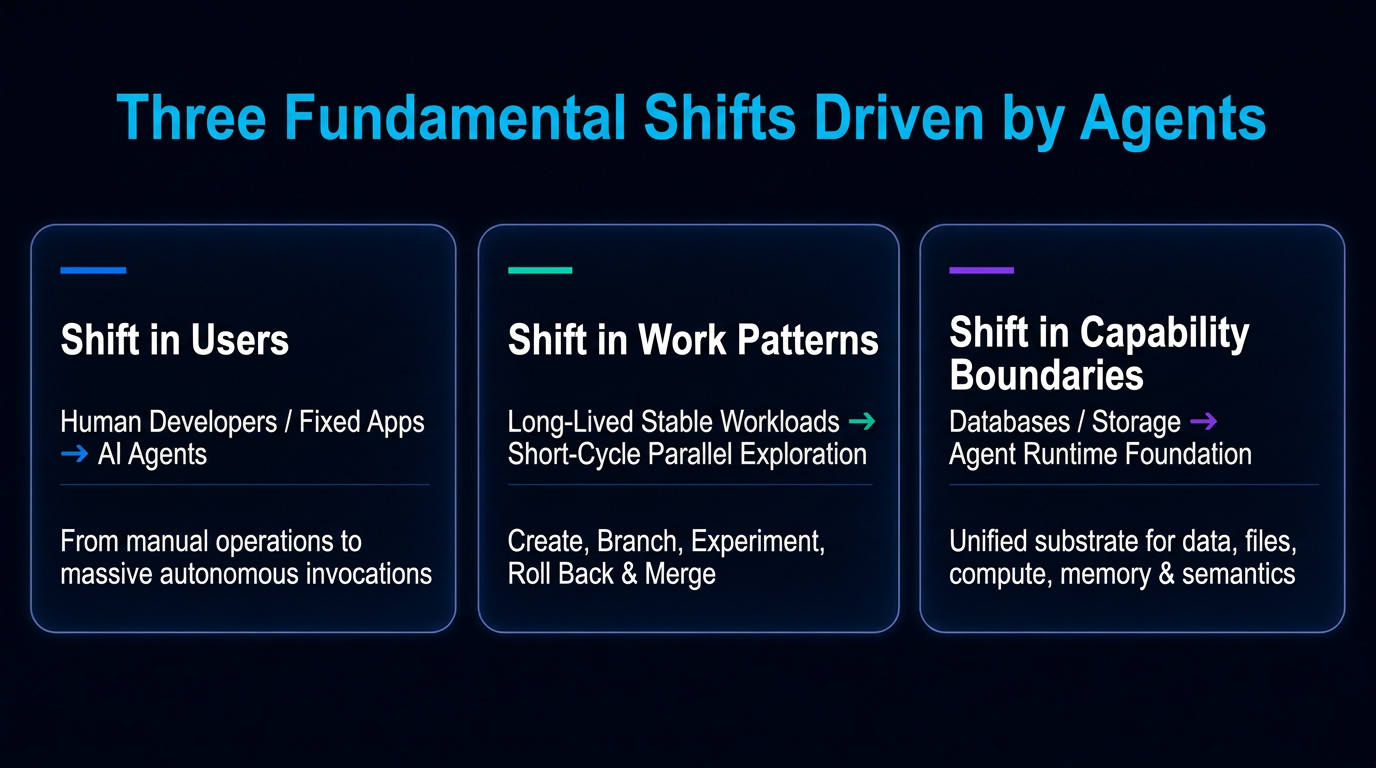
Figure 1 | The fundamental changes agents bring
These three changes translate into eight foundational capability requirements. A massive number of agents each need independent data storage space and native access; short-lived, parallel exploration tasks need elasticity, branching, and open execution environments; and as the data boundary widens, a unified multi-model foundation, persistent memory, and business semantics understanding become necessary.
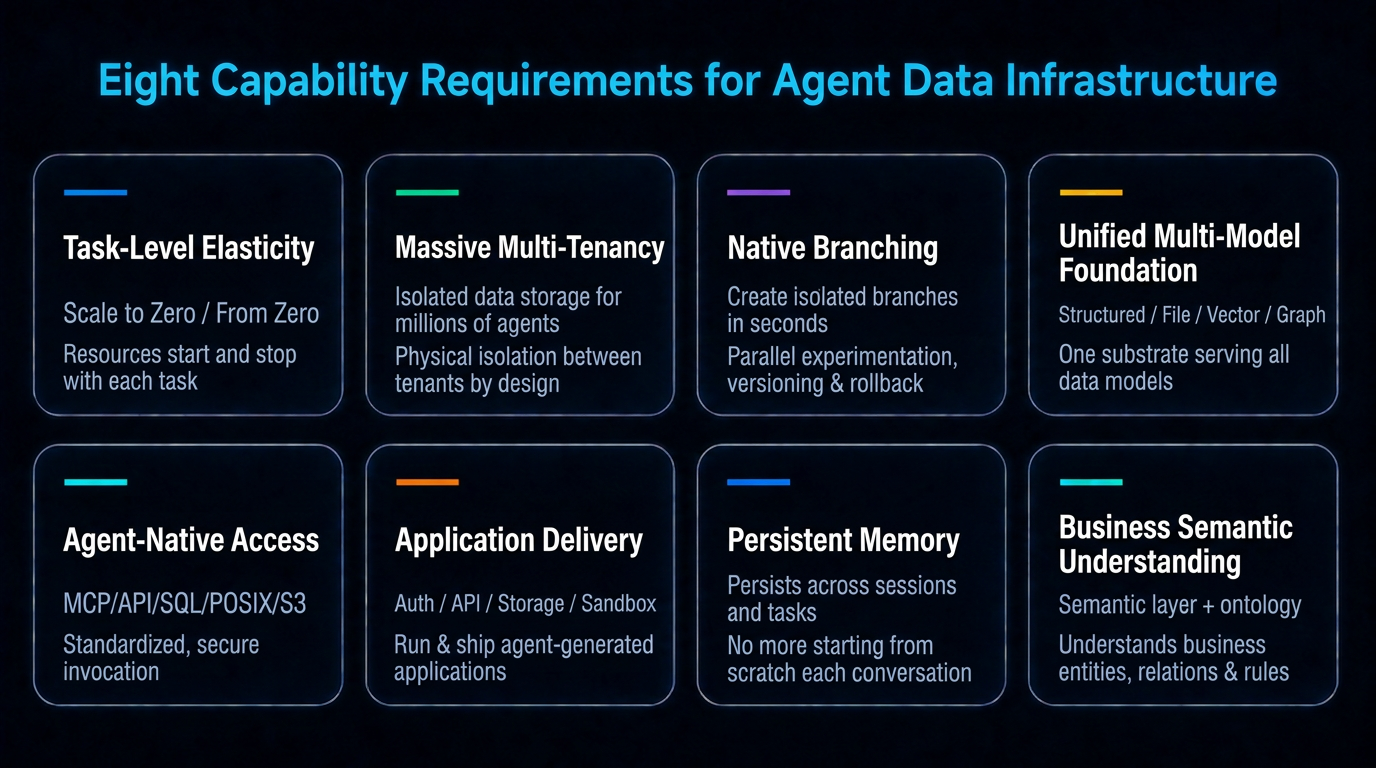
Figure 2 | Foundational capability requirements agents place on data infrastructure
What an agent needs is no longer just a database connection. It needs a data infrastructure that can be called securely, runs alongside each task, and carries data, files, compute, and cognitive services in one place.
2. Cloud Native laid the groundwork for the Agentic evolution
Through decoupled storage and compute, shared storage, and resource pooling, Cloud Native PolarDB already delivers high performance, high reliability, and elastic scaling. That is the foundation task-level elasticity and massive isolated space for agents are built on.
But agents bring more than a larger resource footprint. They bring a new paradigm for using data: environments are created on the fly for each task, exploration and rollback happen in parallel across branches, databases, files, and model artifacts are operated on as one, and everything is called autonomously through interfaces such as MCP, APIs, and POSIX.
Agentic Native is therefore the next step beyond Cloud Native — the data environment shifts from serving applications that run for a long time to being created, branched, started, stopped, and reclaimed on demand for agent tasks. On this basis, cloud-native database PolarDB from ApsaraDB is building an agentic data infrastructure centered on an All-in-One DB.
3. An agentic data infrastructure centered on the All-in-One DB
The diagram below shows the All-in-One DB data infrastructure for agents.
At the core sit two foundations: Agentic Database, which carries task-level database environments, and Agentic LakeCache, which carries file and object data. Together they form a unified data foundation offering elasticity, branching, caching, and low-cost persistence.
The layer above serves agents and applications through interfaces such as MCP, SQL, and POSIX FS/S3, and provides application backends, context, business semantics, and knowledge retrieval through services such as Supabase, Memory, Ontology, and RAG.
On the right, enterprise governance — OAuth authentication, role-based access control (RBAC), operation audits, and end-to-end Agent Trace observability — keeps agent use of data and tools controllable, manageable, and traceable across multi-tenant, multi-task environments.
This article focuses on the two core foundations: Agentic Database and Agentic LakeCache.
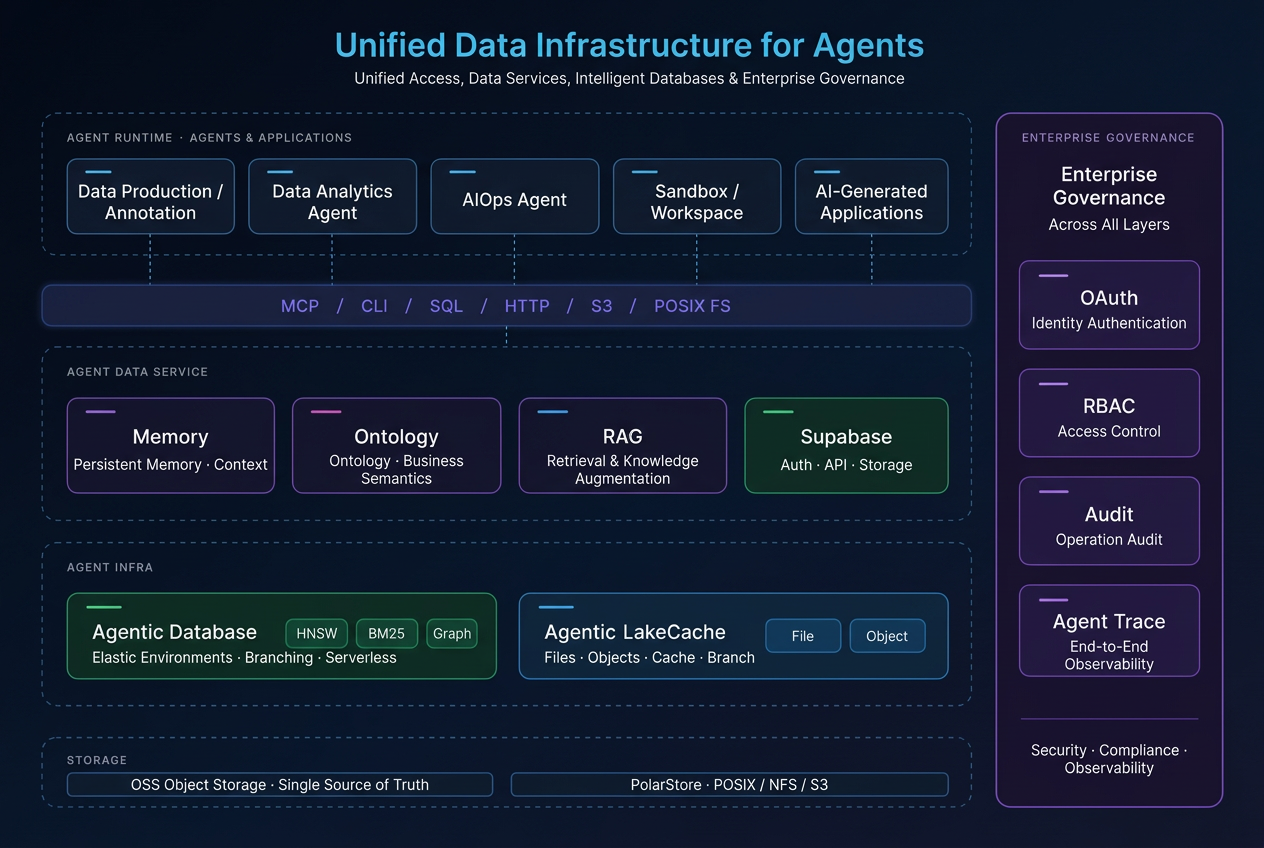
Figure 3 | PolarDB rebuilds the data foundation for AI agents
Agentic Database: an agent-native database driven by sub-second elasticity and branching
Serverless PostgreSQL products such as Neon have familiarized developers with a new shape for databases: created on demand, started and stopped elastically, branched freely. PolarDB for PostgreSQL Agentic Database adopts a Neon-like decoupled storage and compute architecture, so compute environments can be created and reclaimed as fast as agent tasks come and go, and branching supports parallel trial-and-error across multiple approaches.
Building on that, Agentic Database has been systematically reworked around how agents gain access, how environment lifecycles run, how parallel trial-and-error works, and how costs are structured, while fully retaining the enterprise-grade kernel, compatible ecosystem, and multi-model retrieval capabilities of PolarDB for PostgreSQL. Three core capabilities result.
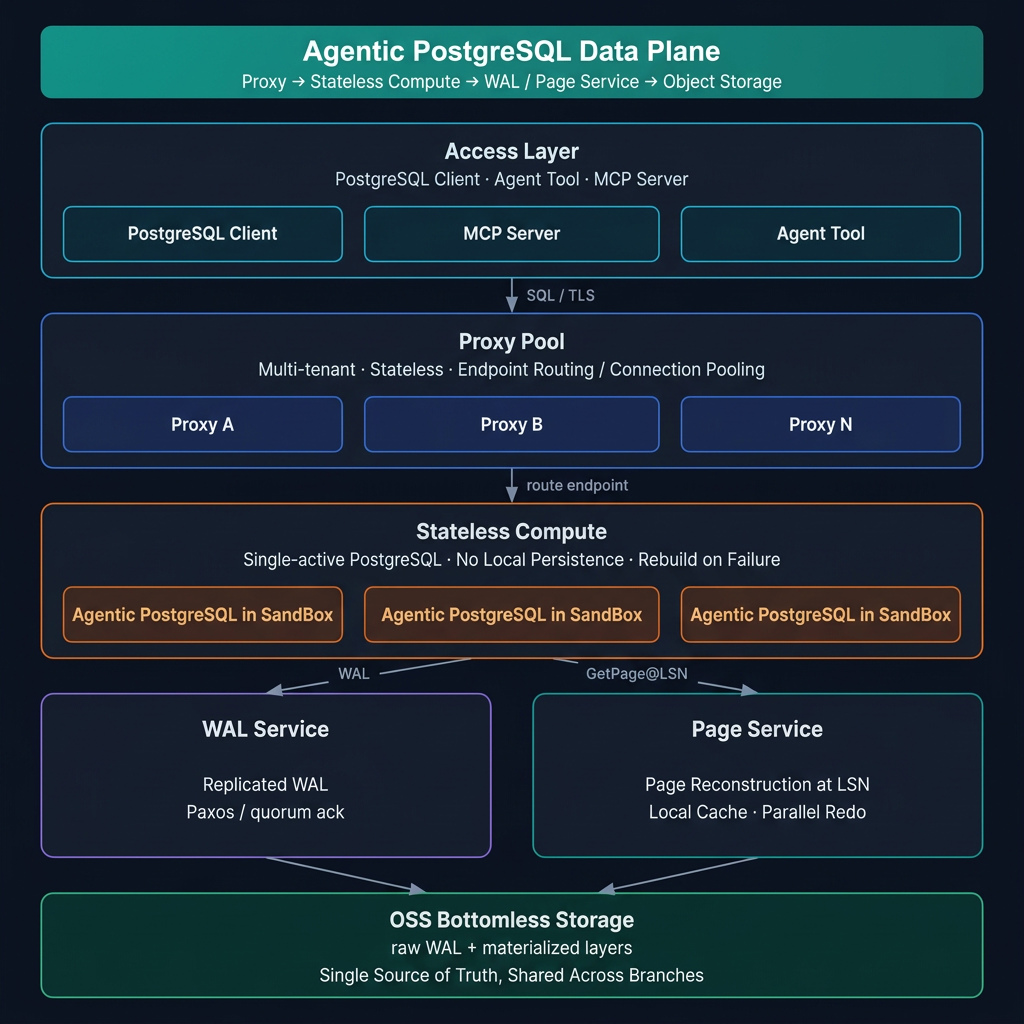
Figure 4 | Agentic Database
➡️ A unified MCP entry point lets agents use database services securely
MCP has become the de facto standard for connecting agents to external tools and data services. PolarDB for PostgreSQL Agentic Database uses an MCP Server as its unified entry point, wrapping instance creation, SQL queries, branching, rollback, and environment management into discoverable, callable tools. Different agent frameworks no longer each need their own integration.
During a call, the agent never touches Alibaba Cloud account AK/SK or database passwords. Identity and tenant isolation are handled through API keys. Even under the same account and the same logical instance, the resources and data behind different API keys remain invisible to one another.
➡️ Rapid provisioning and teardown, fast branching, compute that starts and stops on demand, and low-cost long-term storage for massive data
Built for agent tasks, PolarDB for PostgreSQL Agentic Database creates independent data environments quickly through sandboxes and a warm pool. During task execution, copy-on-write branching creates multiple isolated branches from the same data state, letting different agents modify, validate, roll back, and merge the best result in parallel.
For intermittent workloads, compute resources support Scale Up/Down and Scale to Zero/From Zero, starting and stopping with each task. Data is kept long term in Object Storage Service (OSS), and access is accelerated by the Local File Cache on compute nodes together with Page Server caching. A data environment is therefore born with its task and ends with it, without sacrificing resource efficiency or access performance after a restore.
➡️ The enterprise kernel loses nothing, and multi-model capabilities gain more
Thanks to its open extension ecosystem, PostgreSQL can carry transaction processing, vector search, full-text search, and graph search in a single database. That removes data synchronization and architectural glue between separate systems, so freshly updated business data can take part in multi-model retrieval right away.
PolarDB for PostgreSQL Agentic Database stays compatible with the PostgreSQL ecosystem while fully retaining the enterprise kernel capabilities of cloud-native PolarDB for PostgreSQL. It gives enterprise AI applications such as memory and RAG a higher-performance, easier-to-use All-in-One DB foundation.
• Vector search: Supports index algorithms such as HNSW, IVF, and DiskANN, and quantization techniques including Scalar Quantization (SQ), Product Quantization (PQ), and Random Bit Quantization (RaBitQ). Automatic reranking balances retrieval performance, recall, and memory efficiency, and billion-scale vector data can be queried at high concurrency.
• Full-text search: BM25 ranking built on Tantivy, with multilingual tokenization. Vector and full-text results can be fused through Reciprocal Rank Fusion (RRF) in SQL, and combined with filtering and JOINs to serve complex queries.
• Graph search: Supports the Cypher query language and uses native graph traversal algorithms. On the LDBC SNB (SF1) benchmark, variable-length path searches from 1-hop to 5-hop complete with a response time (RT) under 20 ms.
Agentic LakeCache: a unified foundation for agent file and object data
With PolarDB for PostgreSQL as its metadata core, Agentic LakeCache extends unified management further, to files, objects, and model artifacts. Task-level creation, branching, and reclamation now cover code, documents, images, model artifacts, and runtime files, making it the second core foundation alongside Agentic Database.
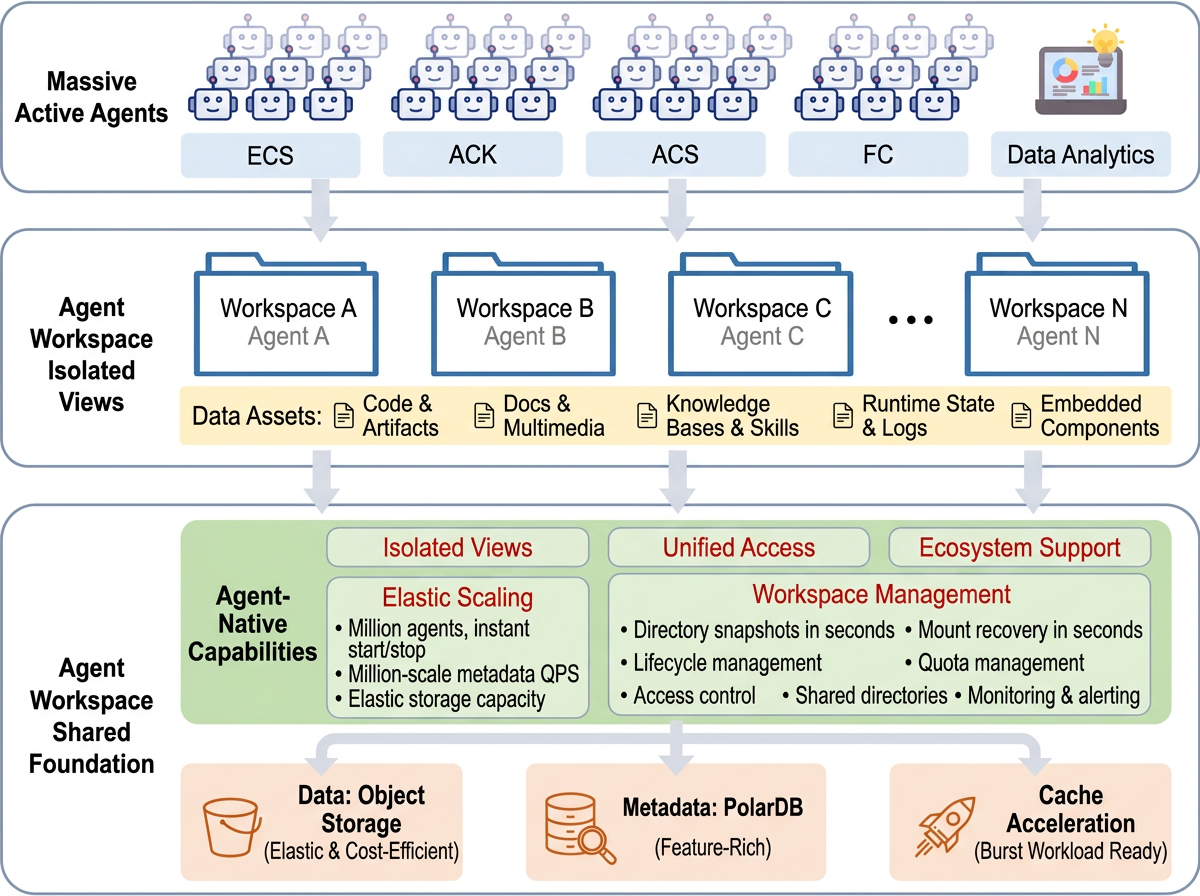
Figure 5 | Agentic LakeCache: OSS, independent workspaces, and near-compute caching
➡️ Unified access: POSIX and S3 straight to OSS
Agentic LakeCache uses OSS as its low-cost storage foundation and exposes POSIX FS and S3 interfaces, so agents, sandboxes, and applications can access file and object data directly. There is no more shuttling data back and forth between databases, file systems, and object storage.
➡️ Caching that balances capacity, cost, and access performance
For high-frequency agent reads and writes and for model loading, Agentic LakeCache accelerates hot data through multi-level near-compute caching in memory and on SSD. On a cache miss it falls back to OSS transparently, so massive datasets stay cheap to store without giving up access performance.
➡️ Branchable workspaces: file and database versions stay in step
Agentic LakeCache supports directory snapshots, mount and restore, and file branching, and it can create and roll back branches together with database branches so that database, code, and files stay on the same task version. Independent views, quotas, permissions, and monitoring let a massive number of agent workspaces be created, scaled, and reclaimed per task.
From capabilities to scenarios: independent data environments for different agent workloads
Intelligent development: code and databases evolve together. When a coding agent changes code, it usually also needs to adjust table schemas, seed data, and run tests. Agentic Database creates isolated branches for different tasks from the same baseline, so each agent validates independently. A database branch can also form a composite checkpoint together with the code version and the sandbox runtime, enabling synchronized rollback. For production workloads running on cloud-native PolarDB for PostgreSQL, production data can be synced to Agentic Database on demand for branch-based development and testing. Validated changes then go through review before being released to production, so development agility no longer comes at the cost of production-grade performance and stability.
Intelligent customer service and robotics: independent memory stores that start and stop on demand. Enterprises can give each customer service agent or embodied robot its own database holding sessions, service records, user preferences, Memory, and RAG data, which draws a clear data boundary. When idle, compute scales to zero while data stays in OSS-backed Agentic LakeCache. When a request arrives, the environment starts quickly and restores context, so resource cost tracks the agent's actual active time.
Historical state analysis: safe what-if runs on a point-in-time slice. For business reviews, fault localization, or strategy evaluation, an agent can create a database snapshot from a specified point in time that affects only the branch environment, then compare and reason against the current state. Production data is never touched, multiple approaches can run in parallel, and once the analysis is done you keep the results or reclaim the environment as needed.
4. Toward Agentic Native: PolarDB for PostgreSQL Agentic Database enters public preview
Moving from Cloud Native to Agentic Native, PolarDB is evolving the performance, reliability, and elasticity accumulated in the cloud-native era into a data infrastructure built around the agent task lifecycle, carried and governed by a single architecture.
PolarDB for PostgreSQL Agentic Database is now in public preview. Developers and enterprise users can apply for access to core capabilities including the MCP Server, database branching, elastic start and stop, and All-in-One PostgreSQL, and explore scenarios such as coding agents, data analysis agents, and agent-generated applications. Agentic LakeCache is already generally available, giving agents unified management of files, object data, and task workspaces.
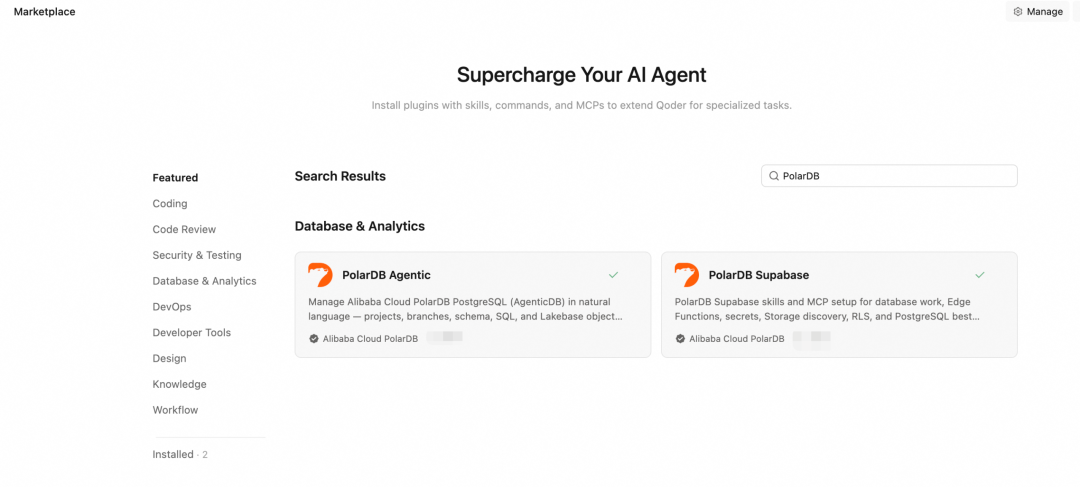
PolarDB for PostgreSQL Agentic Database and PolarDB for PostgreSQL Agentic Supabase are also available in the Qoder plugin marketplace. Download them and explore PolarDB's agent-oriented data infrastructure inside your coding agent workflow.
Learn more:
https://www.alibabacloud.com/help/polardb/polardb-for-postgresql/what-is-polardb-agentic-postgresql
Read previous post:
Advanced Data Analytics in the AI Era: How Alibaba Cloud AIDBS Brings Specialized Models to Life

Comments
Related Products
-
 PolarDB for PostgreSQL
Alibaba Cloud PolarDB for PostgreSQL is an in-house relational database service 100% compatible with PostgreSQL and highly compatible with the Oracle syntax.
Learn More -
PolarDB for Xscale
Alibaba Cloud PolarDB for Xscale (PolarDB-X) is a cloud-native high-performance distributed database service independently developed by Alibaba Cloud.
Learn More -
PolarDB for MySQL
Alibaba Cloud PolarDB for MySQL is a cloud-native relational database service 100% compatible with MySQL.
Learn More -
 Database for FinTech Solution
Leverage cloud-native database solutions dedicated for FinTech.
Learn More
More Posts by ApsaraDB
- Advanced Data Analytics in the AI Era: How Alibaba Cloud AIDBS Brings Specialized Models to Life
- Git for Your Database: PolarDB Lets Agents Experiment Safely
- AI Coding Context Keeps Getting More Expensive — Tair Built a Capability for That, and We Want You to Test It
- With PostgreSQL Firmly in Place as the Data Foundation, What Else Do Agents Need to Truly Run?
- The 6 Components of RAG, Actually Just Need 1 Database
- PolarDB-X Zero: Get an AI-Friendly Database in 30 Seconds with a Single Command
- HiCache Across Multi‑Parallelism and Distributed Serving
- How CXL 2.0 Drives the Evolution of PolarDB's Software-Hardware Co-Designed Architecture
- CloudJump III: Optimizing Cloud Databases for Tiered Storage (SIGMOD 2026)