qwen3.5-livetranslate-flash-realtime は、60 言語 (音声+テキスト 29 言語、テキストのみ 31 言語) をサポートする視覚拡張リアルタイム翻訳モデルです。ビデオストリームやローカルファイルから音声と画像の入力を処理し、視覚的なコンテキストを使用して精度を向上させ、翻訳されたテキストと音声をリアルタイムで出力します。
Function Compute を使用したワンクリックデプロイでオンラインデモをお試しください。
特徴
- 多言語サポート:中国語、英語、フランス語、ドイツ語、ロシア語、日本語、韓国語、スペイン語、ポルトガル語、アラビア語など、60 言語間の翻訳に対応しています (29 言語は音声とテキスト出力、31 言語はテキストのみの出力)。
- 視覚拡張:唇の動き、ジェスチャー、画面上のテキストなどの視覚的な手がかりを分析して、特に騒がしい環境や曖昧な単語の翻訳精度を向上させます。
- 2.8 秒のレイテンシー:わずか 2.8 秒の低レイテンシーで同時通訳を実現します。
- ロスレス同時通訳:意味単位を予測して言語間の語順の違いを解決し、オフライン翻訳に匹敵する品質を実現します。
- 自然な音声:ソース音声のイントネーションや感情に自動的に合わせます。
- ホットワード構成:設定可能なホットワードにより、特定の用語の翻訳精度が向上します。
- 音声クローニング:話者の声をクローンして翻訳出力に使用します。サーバーサイドのリアルタイムクローニングと、事前にクローンされた音声プロファイルをサポートしています。
- 同一言語出力のスキップ:ソース言語とターゲット言語が同じ場合、モデルはテキスト出力、音声出力、またはその両方をスキップできます。この機能は、ターゲット言語が中国語 (
zh) または英語 (en) の場合にのみ有効です。
操作手順
1. 接続の構成
このモデルは、WebSocket を介して以下のパラメーターで接続します:
WebSocket に加えて、このモデルは AOQ および WebRTC プロトコルもサポートしています。安定したレイテンシー、低速ネットワークでの回復力、組み込みの全二重ノイズ抑制およびエコーキャンセレーションを優先するクライアントサイドの統合には、AOQ を推奨します。プロトコルの比較については、「リアルタイム API の概要」をご参照ください。
| パラメーター | 説明 |
|---|---|
endpoint | 中国 (北京) リージョン:wss://{WorkspaceId}.cn-beijing.maas.aliyuncs.com/api-ws/v1/realtime。{WorkspaceId} を実際のワークスペース ID に置き換えてください。 シンガポールリージョン:wss://{WorkspaceId}.ap-southeast-1.maas.aliyuncs.com/api-ws/v1/realtime。
|
query parameter | モデルのクエリパラメーターはモデル名に設定する必要があります。例: |
message header | 認証には Bearer トークンを使用します:Authorization: Bearer DASHSCOPE_API_KEY
|
接続コードのサンプル (Python):
WebSocket 接続用の Python サンプルコード
# pip install websocket-client
import json
import websocket
import os

API_KEY=os.getenv("DASHSCOPE_API_KEY")
API_URL = "wss://{WorkspaceId}.ap-southeast-1.maas.aliyuncs.com/api-ws/v1/realtime?model=qwen3.5-livetranslate-flash-realtime"

headers = [
    "Authorization: Bearer " + API_KEY
]

def on_open(ws):
    print(f"サーバーに接続しました: {API_URL}")
def on_message(ws, message):
    data = json.loads(message)
    print("受信したイベント:", json.dumps(data, indent=2))
def on_error(ws, error):
    print("エラー:", error)

ws = websocket.WebSocketApp(
    API_URL,
    header=headers,
    on_open=on_open,
    on_message=on_message,
    on_error=on_error
)

ws.run_forever()
2. 言語、モダリティ、音声の構成
以下のパラメーターを指定して session.update クライアントイベントを送信します:
-
言語
-
ソース言語:
session.input_audio_transcription.languageパラメーターを使用して構成します。指定しない場合、モデルはソース言語を自動的に検出します。
-
ターゲット言語:
session.translation.languageパラメーターを使用して構成します。デフォルト値は
en(英語) です。
詳細については、「サポート対象言語」をご参照ください。
-
-
ソース言語の認識結果の出力
session.input_audio_transcription.modelをqwen3-asr-flash-realtimeに設定します。これにより、サーバーは翻訳結果と入力音声の音声認識結果 (原文テキスト) の両方を返します。サーバーは以下のイベントを返します:
conversation.item.input_audio_transcription.text:認識結果をストリーム配信します。conversation.item.input_audio_transcription.completed:認識完了後に最終結果を返します。conversation.item.input_audio_transcription.failed:認識が失敗した場合にエラー情報を返します。
-
出力モダリティ
session.modalitiesパラメーターを["text"](テキストのみ) または["text","audio"](テキストと音声) に設定します。 -
音声アクティビティ検出 (VAD) と手動モード
session.turn_detectionパラメーターを使用して、発話の境界をどのように検出するかを構成します:- VAD モード (デフォルト):
turn_detectionを構成オブジェクトに設定します。サーバーは自動的に発話の境界を検出し、翻訳をトリガーします。クライアントが継続的に音声ストリームを送信するシナリオに適しています。 - 手動モード:
turn_detectionをnullに設定します。クライアントが発話の境界を決定し、各発話の後にinput_audio_buffer.commitイベントを送信して音声を提出します。プッシュツートークのシナリオに適しています。
両モードでの完全なインタラクション手順については、「3. 音声と画像の入力」をご参照ください。
- VAD モード (デフォルト):
-
音声
session.voiceパラメーターを使用して構成します。詳細については、「サポート対象の音声」をご参照ください。 -
ホットワード
session.translation.corpus.phrasesパラメーターを使用してホットワードを構成します。ホットワードは、ソース用語をターゲットの翻訳にマッピングするキーと値のペアであり、特定の用語の翻訳精度を向上させます。例:
"artificial intelligence"を"Artificial Intelligence"にマッピングします。 -
音声クローニング
session.enable_voice_clone、session.voice_clone_options.frequency、session.voiceパラメーターを使用して構成します。事前にクローンされた音声プロファイル (frequency:never)、セッション開始時にサーバーサイドで一度クローン (once)、または各応答の前にリアルタイムでクローン (always) の 3 つのモードをサポートしています。詳細については、「音声クローニング」をご参照ください。
3. 音声と画像の入力
input_audio_buffer.append および input_image_buffer.append イベントを使用して、Base64 エンコードされた音声および画像データを送信します。音声入力は必須ですが、画像入力はオプションです。
画像はローカルファイルから、またはビデオストリームからリアルタイムでキャプチャできます。
モデルが発話の完了を判断する方法は、turn_detection パラメーターを介して構成された VAD モードまたは手動モードによって異なります:
- VAD モード (デフォルト):クライアントは継続的に input_audio_buffer.append イベントを送信します。サーバーが発話の開始/終了を検出すると、それぞれ
input_audio_buffer.speech_startedおよびinput_audio_buffer.speech_stoppedイベントを返し、音声バッファーを自動的にコミットして翻訳をトリガーします。翻訳応答はストリーミング音声と同期して生成され、通常は発話が終了するのを待たずに音声入力中に開始されます。 - 手動モード:
session.turn_detectionをnullに設定します。クライアントは完全な発話の送信を終えた後、input_audio_buffer.commit イベントを送信して音声バッファーをコミットします。サーバーがinput_audio_buffer.committedイベントを返して確認した後、自動的に翻訳応答の生成を開始します。クライアントは応答をトリガーするために他のイベントを送信する必要はありません。コミットする前に未コミットの音声をクリアするには、input_audio_buffer.clear イベントを送信します。
4. モデルの応答の受信
翻訳応答はストリーミング音声と同期して生成され、通常は発話の終了を待つ必要はありません (前のセクションの VAD/手動モードの説明をご参照ください)。応答形式は出力モダリティによって異なります。
-
テキストのみの出力
サーバーは response.text.text イベントを介して、インクリメンタルな翻訳テキスト (確定テキストと仮の予測テキストを含む) をストリーム配信します。完了すると、完全な翻訳テキストが response.text.done イベントで返されます。
-
テキストと音声の出力
-
テキスト
サーバーは response.audio_transcript.text イベントを介して、インクリメンタルな翻訳テキストをストリーム配信します。完了すると、完全な翻訳テキストが response.audio_transcript.done イベントで返されます。
-
音声
サーバーは、response.audio.delta イベントで、インクリメンタルな Base64 エンコードされた音声データを返します。
-
テキスト
重要リアルタイム翻訳モデルは、インクリメンタルなテキスト配信に response.text.text イベントを使用しますが、これは Omni (全二重音声会話) モデルで使用される response.text.delta イベントとは異なります。これらのイベントはフィールド構造とセマンティクスが異なるため、混同して使用しないでください。
5. セッションの終了
すべての音声を送信した後、クライアントイベントを送信し、サーバーが session.finished イベントを返すのを待ってから WebSocket 接続を閉じます。
session.finish を送信せずに WebSocket を閉じると、サーバーの VAD は最後の発話セグメントの終了を検出できません。これにより、そのセグメントの翻訳結果が完全に失われ、接続が無期限にハングする可能性があります。切断する前に必ずこのイベントを送信してください。
サポート対象モデル
推奨モデル
| モデル | バージョン | コンテキストウィンドウ | 最大入力 | 最大出力 |
|---|---|---|---|---|
| (トークン) | ||||
qwen3.5-livetranslate-flash-realtime
| 安定版 | 53,248 | 49,152 | 4,096 |
qwen3.5-livetranslate-flash-realtime-2026-05-19 | スナップショット | |||
レガシーモデル
以下のモデルは引き続き利用可能ですが、推奨される選択肢ではありません。新しいユースケースでは、より良い翻訳品質とコスト効率のために、上記の新しいモデルを使用してください。
| モデル | バージョン | コンテキストウィンドウ | 最大入力 | 最大出力 |
|---|---|---|---|---|
| (トークン) | ||||
qwen3-livetranslate-flash-realtime
| 安定版 | 53,248 | 49,152 | 4,096 |
qwen3-livetranslate-flash-realtime-2025-09-22 | スナップショット | |||
クイックスタート
-
環境の準備
Python 3.10 以降が必要です。
まず、pyaudio をインストールします。
brew install portaudio && pip install pyaudiosudo apt-get install python3-pyaudio or pip install pyaudiosudo yum install -y portaudio portaudio-devel && pip install pyaudiopip install pyaudio次に、WebSocket の依存関係をインストールします:
pip install websocket-client==1.8.0 websockets
-
クライアントの作成
livetranslate_client.pyという名前のファイルを作成し、以下のコードを記述します:クライアントコード - livetranslate_client.py
import os import time import base64 import asyncio import json import websockets import pyaudio import queue import threading import traceback class LiveTranslateClient: def __init__(self, api_key: str, target_language: str = "en", *, audio_enabled: bool = True): if not api_key: raise ValueError("API キーは空にできません。") self.api_key = api_key self.target_language = target_language self.audio_enabled = audio_enabled self.ws = None self.api_url = "wss://{WorkspaceId}.ap-southeast-1.maas.aliyuncs.com/api-ws/v1/realtime?model=qwen3.5-livetranslate-flash-realtime" # 音声入力構成 (マイクから) self.input_rate = 16000 self.input_chunk = 1600 self.input_format = pyaudio.paInt16 self.input_channels = 1 # 音声出力構成 (再生用) self.output_rate = 24000 self.output_chunk = 2400 self.output_format = pyaudio.paInt16 self.output_channels = 1 # 状態管理 self.is_connected = False self.audio_player_thread = None self.audio_playback_queue = queue.Queue() self.pyaudio_instance = pyaudio.PyAudio() self.session_finished_event = asyncio.Event() async def connect(self): """翻訳サービスへの WebSocket 接続を確立します。""" headers = {"Authorization": f"Bearer {self.api_key}"} try: self.ws = await websockets.connect(self.api_url, additional_headers=headers) self.is_connected = True print(f"サーバーに正常に接続しました: {self.api_url}") await self.configure_session() except Exception as e: print(f"接続に失敗しました: {e}") self.is_connected = False raise async def configure_session(self): """翻訳セッションを構成し、ターゲット言語や音声などを設定します。""" config = { "event_id": f"event_{int(time.time() * 1000)}", "type": "session.update", "session": { # 'modalities' は出力タイプを制御します。 # ["text", "audio"]: 翻訳されたテキストと合成音声の両方を返します (推奨)。 # ["text"]: 翻訳されたテキストのみを返します。 "modalities": ["text", "audio"] if self.audio_enabled else ["text"], "input_audio_format": "pcm", "output_audio_format": "pcm", # 'input_audio_transcription' はソース言語の認識を構成します。 # 'model' を 'qwen3-asr-flash-realtime' に設定すると、ソース言語の認識結果も出力されます。 # "input_audio_transcription": { # "model": "qwen3-asr-flash-realtime", # "language": "zh" # ソース言語、デフォルトは 'en' # }, "translation": { "language": self.target_language, # 'corpus' はホットワードを構成し、特定の用語の翻訳精度を向上させます。 # "corpus": { # "phrases": { # "Artificial Intelligence": "Artificial Intelligence", # "Machine Learning": "Machine Learning" # } # } } } } print(f"セッション構成を送信中: {json.dumps(config, indent=2, ensure_ascii=False)}") await self.ws.send(json.dumps(config)) async def send_audio_chunk(self, audio_data: bytes): """音声チャンクをエンコードしてサーバーに送信します。""" if not self.is_connected: return event = { "event_id": f"event_{int(time.time() * 1000)}", "type": "input_audio_buffer.append", "audio": base64.b64encode(audio_data).decode() } await self.ws.send(json.dumps(event)) async def send_image_frame(self, image_bytes: bytes, *, event_id: str | None = None): # 画像フレームをサーバーに送信します。 if not self.is_connected: return if not image_bytes: raise ValueError("image_bytes は空にできません。") # Base64 にエンコード image_b64 = base64.b64encode(image_bytes).decode() event = { "event_id": event_id or f"event_{int(time.time() * 1000)}", "type": "input_image_buffer.append", "image": image_b64, } await self.ws.send(json.dumps(event)) def _audio_player_task(self): stream = self.pyaudio_instance.open( format=self.output_format, channels=self.output_channels, rate=self.output_rate, output=True, frames_per_buffer=self.output_chunk, ) try: while self.is_connected or not self.audio_playback_queue.empty(): try: audio_chunk = self.audio_playback_queue.get(timeout=0.1) if audio_chunk is None: # 終了信号 break stream.write(audio_chunk) self.audio_playback_queue.task_done() except queue.Empty: continue finally: stream.stop_stream() stream.close() def start_audio_player(self): """音声プレーヤースレッドを開始します (音声出力が有効な場合のみ)。""" if not self.audio_enabled: return if self.audio_player_thread is None or not self.audio_player_thread.is_alive(): self.audio_player_thread = threading.Thread(target=self._audio_player_task, daemon=True) self.audio_player_thread.start() async def handle_server_messages(self, on_text_received): """サーバーからの受信メッセージをループで処理します。""" try: async for message in self.ws: event = json.loads(message) event_type = event.get("type") if event_type == "response.audio.delta" and self.audio_enabled: audio_b64 = event.get("delta", "") if audio_b64: audio_data = base64.b64decode(audio_b64) self.audio_playback_queue.put(audio_data) elif event_type == "response.done": print("\n[INFO] 応答ラウンドが完了しました。") usage = event.get("response", {}).get("usage", {}) if usage: print(f"[INFO] トークン使用量: {json.dumps(usage, indent=2, ensure_ascii=False)}") elif event_type == "session.finished": print("[INFO] セッションが終了しました。") self.session_finished_event.set() # ソース言語の認識結果を処理します (input_audio_transcription.model の有効化が必要) # elif event_type == "conversation.item.input_audio_transcription.text": # stash = event.get("stash", "") # 認識待ちのテキスト # print(f"[認識中] {stash}") # elif event_type == "conversation.item.input_audio_transcription.completed": # transcript = event.get("transcript", "") # 完全な認識結果 # print(f"[ソース言語] {transcript}") elif event_type == "response.text.text": # テキストのみのモダリティで翻訳テキストをストリーミング text = event.get("text", "") stash = event.get("stash", "") print(f"\r[翻訳中] {text}{stash}", end="", flush=True) elif event_type == "response.audio_transcript.done": print("\n[INFO] 翻訳が完了しました。") text = event.get("transcript", "") if text: print(f"[INFO] 翻訳されたテキスト: {text}") elif event_type == "response.text.done": print("\n[INFO] 翻訳が完了しました。") text = event.get("text", "") if text: print(f"[INFO] 翻訳されたテキスト: {text}") except websockets.exceptions.ConnectionClosed as e: print(f"[WARNING] 接続が閉じられました: {e}") self.is_connected = False except Exception as e: print(f"[ERROR] メッセージ処理中に予期せぬエラーが発生しました: {e}") traceback.print_exc() self.is_connected = False async def start_microphone_streaming(self): """マイクから音声をキャプチャし、サーバーにストリーミングします。""" stream = self.pyaudio_instance.open( format=self.input_format, channels=self.input_channels, rate=self.input_rate, input=True, frames_per_buffer=self.input_chunk ) print("マイクがオンです。話し始めてください...") try: while self.is_connected: audio_chunk = await asyncio.get_event_loop().run_in_executor( None, stream.read, self.input_chunk ) await self.send_audio_chunk(audio_chunk) finally: stream.stop_stream() stream.close() async def close(self): """接続を正常に閉じ、リソースを解放します。""" # サーバーが最後の発話セグメントの翻訳を完了できるように session.finish を送信します if self.is_connected and self.ws: finish_event = { "event_id": f"event_{int(time.time() * 1000)}", "type": "session.finish", } await self.ws.send(json.dumps(finish_event)) print("session.finish を送信しました。サーバーの処理完了を待っています...") try: await asyncio.wait_for(self.session_finished_event.wait(), timeout=15) print("サーバーの処理が完了しました。") except asyncio.TimeoutError: print("session.finished の待機がタイムアウトしました。") self.is_connected = False if self.ws: await self.ws.close() print("WebSocket 接続が閉じられました。") if self.audio_player_thread: self.audio_playback_queue.put(None) # 終了信号を送信 self.audio_player_thread.join(timeout=1) print("音声プレーヤースレッドが停止しました。") self.pyaudio_instance.terminate() print("PyAudio インスタンスが解放されました。") -
モデルとの対話
同じディレクトリに
main.pyという名前のファイルを作成し、以下のコードを記述します:main.py
import os import asyncio from livetranslate_client import LiveTranslateClient def print_banner(): print("=" * 60) print(" Powered by Qwen qwen3.5-livetranslate-flash-realtime") print("=" * 60 + "\n") def get_user_config(): """ユーザー構成を取得します。""" print("モードを選択してください:") print("1. 音声 + テキスト [デフォルト] | 2. テキストのみ") mode_choice = input("選択肢を入力してください (音声 + テキストの場合は Enter を押してください): ").strip() audio_enabled = (mode_choice != "2") if audio_enabled: lang_map = { "1": "en", "2": "zh", "3": "ru", "4": "fr", "5": "de", "6": "pt", "7": "es", "8": "it", "9": "ko", "10": "ja", "11": "yue" } print("ターゲット言語を選択してください (音声 + テキストモード):") print("1. 英語 | 2. 中国語 | 3. ロシア語 | 4. フランス語 | 5. ドイツ語 | 6. ポルトガル語 | 7. スペイン語 | 8. イタリア語 | 9. 韓国語 | 10. 日本語 | 11. 広東語") else: lang_map = { "1": "en", "2": "zh", "3": "ru", "4": "fr", "5": "de", "6": "pt", "7": "es", "8": "it", "9": "id", "10": "ko", "11": "ja", "12": "vi", "13": "th", "14": "ar", "15": "yue", "16": "hi", "17": "el", "18": "tr" } print("ターゲット言語を選択してください (テキストのみモード):") print("1. 英語 | 2. 中国語 | 3. ロシア語 | 4. フランス語 | 5. ドイツ語 | 6. ポルトガル語 | 7. スペイン語 | 8. イタリア語 | 9. インドネシア語 | 10. 韓国語 | 11. 日本語 | 12. ベトナム語 | 13. タイ語 | 14. アラビア語 | 15. 広東語 | 16. ヒンディー語 | 17. ギリシャ語 | 18. トルコ語") choice = input("選択肢を入力してください (デフォルトは最初のオプションです): ").strip() target_language = lang_map.get(choice, next(iter(lang_map.values()))) return target_language, audio_enabled async def main(): """メインプログラムのエントリーポイント。""" print_banner() api_key = os.environ.get("DASHSCOPE_API_KEY") if not api_key: print("[ERROR] DASHSCOPE_API_KEY 環境変数を設定してください。") print(" 例: export DASHSCOPE_API_KEY='your_api_key_here'") return target_language, audio_enabled = get_user_config() print("\n構成が完了しました:") print(f" - ターゲット言語: {target_language}") if not audio_enabled: print(" - 出力モード: テキストのみ") client = LiveTranslateClient(api_key=api_key, target_language=target_language, audio_enabled=audio_enabled) # コールバック関数を定義します。 def on_translation_text(text): print(text, end="", flush=True) try: print("翻訳サービスに接続中...") await client.connect() # モードに基づいて音声再生を開始します。 client.start_audio_player() print("\n" + "-" * 60) print("接続に成功しました!マイクに向かって話してください。") print("プログラムはあなたの発話をリアルタイムで翻訳し、翻訳された音声を再生します。終了するには Ctrl+C を押してください。") print("-" * 60 + "\n") # メッセージ処理とマイク録音を同時に実行します。 message_handler = asyncio.create_task(client.handle_server_messages(on_translation_text)) tasks = [message_handler] # 音声出力が有効かどうかにかかわらず、翻訳のためにマイクから音声をキャプチャします。 microphone_streamer = asyncio.create_task(client.start_microphone_streaming()) tasks.append(microphone_streamer) await asyncio.gather(*tasks) except KeyboardInterrupt: print("\n\nユーザーが中断しました。終了します...") except Exception as e: print(f"\n重大なエラーが発生しました: {e}") finally: print("\nリソースをクリーンアップ中...") await client.close() print("プログラムが終了しました。") if __name__ == "__main__": asyncio.run(main())main.pyを実行し、マイクに向かって話してください。モデルはあなたの発話を翻訳し、音声とテキストをリアルタイムで出力します。
音声クローニング
モデルは入力音声から話者の声をクローンし、翻訳出力に使用します。事前にクローンされた音声プロファイルを使用するか、サーバーにリアルタイムでクローンさせることができます。会議の通訳、ライブストリーミング、ビデオの吹き替えなどに役立ちます。
音声クローニングを有効にするには、session.update で以下のパラメーターを設定します:
-
session.enable_voice_clone:trueに設定して音声クローニングを有効にします。 -
session.voice_clone_options.frequency:音声クローニングが行われるタイミングを制御します。指定可能な値:never:サーバー上ではクローンしません。代わりに事前にクローンされた音声プロファイルを使用します。session.voiceをカスタムのクローン音声 ID に設定します。once:セッション開始時に入力音声から一度だけ声をクローンし、その後のすべての出力で再利用します。単一話者のシナリオに最適です。session.voiceをdefaultに設定します。always:各応答の前に声をクローンし、話者の変更に動的に適応します。複数話者の会話に最適です。session.voiceをdefaultに設定します。
-
session.voice:出力する音声を指定します。値はfrequencyの設定によって異なります:defaultに設定:frequencyをonceまたはalwaysに設定して使用します。サーバーは入力音声から話者の声をクローンします。クローニングが完了するまではデフォルトの音声が使用されます。- カスタムのクローン音声 ID (例:
qwen-translate-vc-xxx-yyy-zzz) に設定:frequencyをneverに設定して使用します。音声クローニング API を使用して、targetModelをqwen3.5-livetranslate-flash-realtimeに設定し、事前に音声を準備しておく必要があります。
frequencyがonceまたはalwaysに設定されている場合、voiceパラメーターはdefaultに設定する必要があります。他の値を設定すると、サーバーはエラーを返します。
音声クローニングの構成例
事前にクローンされた音声プロファイル (安定した品質。安定した音声 ID が必要な場合に推奨):
{
    "type": "session.update",
    "session": {
        "modalities": ["text","audio"],
        "voice": "qwen-translate-vc-xxx-yyy-zzz",
        "translation": {
            "language": "en"
        },
        "enable_voice_clone": true,
        "voice_clone_options": {
            "frequency": "never"
        }
    }
}
サーバーサイドクローニング、セッションごとに 1 回 (単一話者のシナリオに最適):
{
    "type": "session.update",
    "session": {
        "modalities": ["text","audio"],
        "voice": "default",
        "translation": {
            "language": "en"
        },
        "enable_voice_clone": true,
        "voice_clone_options": {
            "frequency": "once"
        }
    }
}
サーバーサイドクローニング、応答ごと (複数話者の会話に最適):
{
    "type": "session.update",
    "session": {
        "modalities": ["text","audio"],
        "voice": "default",
        "translation": {
            "language": "en"
        },
        "enable_voice_clone": true,
        "voice_clone_options": {
            "frequency": "always"
        }
    }
}
画像による翻訳精度の向上
画像入力は、翻訳中の同音異義語の曖昧さを解消し、一般的でない固有名詞の認識に役立ちます。1 秒あたり 2 枚以下の画像を送信してください。
以下のサンプル画像をダウンロードしてください:medical mask.png、masquerade mask.png
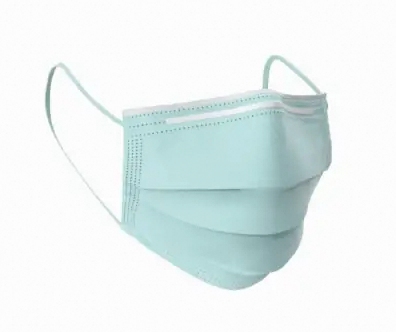

以下のコードを livetranslate_client.py と同じディレクトリにダウンロードして実行してください。マイクに向かって "What is mask?" と話してください。モデルは画像を使用して曖昧さを解消します:medical mask.png は「医療用マスクとは何ですか?」を、masquerade mask.png は「仮面舞踏会のマスクとは何ですか?」を生成します。
import os
import time
import json
import asyncio
import contextlib
import functools

from livetranslate_client import LiveTranslateClient

IMAGE_PATH = "medical mask.png"
# IMAGE_PATH = "masquerade mask.png"

def print_banner():
    print("=" * 60)
    print("  Powered by Qwen qwen3.5-livetranslate-flash-realtime — シングルターンインタラクションの例 (マスク)")
    print("=" * 60 + "\n")

async def stream_microphone_once(client: LiveTranslateClient, image_bytes: bytes):
    pa = client.pyaudio_instance
    stream = pa.open(
        format=client.input_format,
        channels=client.input_channels,
        rate=client.input_rate,
        input=True,
        frames_per_buffer=client.input_chunk,
    )
    print(f"[INFO] 録音を開始しました。話してください...")
    loop = asyncio.get_event_loop()
    last_img_time = 0.0
    frame_interval = 0.5  # 2 fps
    try:
        while client.is_connected:
            data = await loop.run_in_executor(None, stream.read, client.input_chunk)
            await client.send_audio_chunk(data)

            # 0.5 秒ごとに画像フレームを追加
            now = time.time()
            if now - last_img_time >= frame_interval:
                await client.send_image_frame(image_bytes)
                last_img_time = now
    finally:
        stream.stop_stream()
        stream.close()

async def main():
    print_banner()
    api_key = os.environ.get("DASHSCOPE_API_KEY")
    if not api_key:
        print("[ERROR] DASHSCOPE_API_KEY 環境変数を設定してください。")
        return

    client = LiveTranslateClient(api_key=api_key, target_language="zh", audio_enabled=True)

    def on_text(text: str):
        print(text, end="", flush=True)

    try:
        await client.connect()
        client.start_audio_player()
        message_task = asyncio.create_task(client.handle_server_messages(on_text))
        with open(IMAGE_PATH, "rb") as f:
            img_bytes = f.read()
        await stream_microphone_once(client, img_bytes)
        await asyncio.sleep(15)
    finally:
        await client.close()
        if not message_task.done():
            message_task.cancel()
            with contextlib.suppress(asyncio.CancelledError):
                await message_task

if __name__ == "__main__":
    asyncio.run(main())
ワンクリック Function Compute デプロイメント
アプリケーションをデプロイするには:
-
Function Compute テンプレートを開き、API キーを入力して、[デフォルト環境の作成とデプロイ] をクリックしてアプリケーションをテストします。
-
約 1 分待ちます。[環境詳細] > [環境コンテキスト] でエンドポイントを取得し、プロトコルを http から https に変更し (例:https://qwen-livetranslate-flash-realtime-intl.fcv3.xxx.ap-southeast-1.fc.devsapp.net/)、ブラウザで URL を開いてモデルと対話します。
重要このエンドポイントは自己署名証明書を使用しており、一時的なテスト専用です。初めてアクセスすると、ブラウザにセキュリティ警告が表示されます。これは予期された動作です。このエンドポイントを本番環境で使用しないでください。続行するには、画面の指示に従ってください (例:[詳細設定] → [安全でないサイトに移動] をクリック)。
Resource Access Management の権限を設定するよう求められた場合は、画面の指示に従ってください。
プロジェクトのソースコードを表示するには、[リソース情報] > [関数リソース] に移動します。
Function Compute と Model Studio の両方で、新規ユーザー向けに無料クォータが提供されており、基本的なデバッグには十分です。無料クォータを使い切った後は、従量課金が適用されます。
インタラクションフロー
翻訳はイベント駆動型の WebSocket モデルを使用します。発話の境界を決定する方法は、VAD モードまたは手動モードによって異なります (「3. 音声と画像の入力」をご参照ください)。以下の表は VAD モード (デフォルト) に基づいており、手動モードでの異なるサーバーイベントにアノテーションを付けています。
| ライフサイクル | クライアントイベント | サーバーイベント |
|---|---|---|
セッションの初期化 | session.update
| session.created
session.updated
|
ユーザーの音声入力 | input_audio_buffer.append
input_image_buffer.append
input_audio_buffer.commit
| VAD モード: input_audio_buffer.speech_started
input_audio_buffer.speech_stopped
手動モード: input_audio_buffer.committed
|
サーバーの音声出力 | なし | response.created
response.output_item.added
conversation.item.created
response.content_part.added
response.text.text
response.audio_transcript.text
response.audio.delta
response.text.done
response.audio_transcript.done
response.audio.done
response.content_part.done
response.output_item.done
response.done
|
セッションの終了 | session.finish
| session.finished
|
すべての音声を送信した後、session.finish イベントを送信し、WebSocket を閉じる前に session.finished を待ってください。session.finish を送信せずに接続を閉じると、サーバーは音声入力が終了したことを知ることができず、最後の発話セグメントの認識および翻訳結果が失われます。
API
- Qwen-Livetranslate-Realtime。
- AOQ クライアント SDK
- リアルタイム API の概要 (WebRTC プロトコルの説明)
課金
Qwen3.5-LiveTranslate-Flash-Realtime- 音声:入力音声 1 秒あたり 7 トークン。出力音声 1 秒あたり 12.5 トークン。
- 画像:32×32 ピクセルごとに 0.5 トークンを消費します。
- テキスト:ソース言語の音声認識が有効な場合、サービスは翻訳に加えて入力音声のトランスクリプトを返します。このトランスクリプトは出力テキストトークンとして課金されます。
- 音声:音声入力または出力の 1 秒ごとに 12.5 トークンを消費します。
- 画像:28×28 ピクセルごとに 0.5 トークンを消費します。
- テキスト:ソース言語の音声認識が有効な場合、サービスは翻訳に加えて入力音声のトランスクリプトを返します。このトランスクリプトは出力テキストトークンとして課金されます。
料金:モデルリスト。
レート制限
モデルのレート制限については、「レート制限」をご参照ください。
サポート対象言語
ソース言語とターゲット言語を指定するには、以下の言語コードを使用します。
一部のターゲット言語はテキストのみをサポートしています。レガシーモデル qwen3-livetranslate-flash-realtime は、en、zh、ru、fr、de、pt、es、it、id、ko、ja、vi、th、ar、yue、hi、el、tr の 18 言語のみをサポートしています。
言語コード | 言語 | 出力 |
|---|---|---|
zh | 中国語 | 音声 + テキスト |
en | 英語 | 音声 + テキスト |
ar | アラビア語 | 音声 + テキスト |
de | ドイツ語 | 音声 + テキスト |
fr | フランス語 | 音声 + テキスト |
es | スペイン語 | 音声 + テキスト |
pt | ポルトガル語 | 音声 + テキスト |
id | インドネシア語 | 音声 + テキスト |
it | イタリア語 | 音声 + テキスト |
ko | 韓国語 | 音声 + テキスト |
ru | ロシア語 | 音声 + テキスト |
th | タイ語 | 音声 + テキスト |
vi | ベトナム語 | 音声 + テキスト |
ja | 日本語 | 音声 + テキスト |
tr | トルコ語 | 音声 + テキスト |
hi | ヒンディー語 | 音声 + テキスト |
ms | マレー語 | 音声 + テキスト |
nl | オランダ語 | 音声 + テキスト |
ur | ウルドゥー語 | 音声 + テキスト |
nb | ノルウェー語 (ブークモール) | 音声 + テキスト |
sv | スウェーデン語 | 音声 + テキスト |
da | デンマーク語 | 音声 + テキスト |
he | ヘブライ語 | 音声 + テキスト |
fi | フィンランド語 | 音声 + テキスト |
pl | ポーランド語 | 音声 + テキスト |
is | アイスランド語 | 音声 + テキスト |
cs | チェコ語 | 音声 + テキスト |
fil | フィリピン語 | 音声 + テキスト |
fa | ペルシャ語 | 音声 + テキスト |
yue | 広東語 | テキスト |
el | ギリシャ語 | テキスト |
af | アフリカーンス語 | テキスト |
ast | アストゥリアス語 | テキスト |
be | ベラルーシ語 | テキスト |
bg | ブルガリア語 | テキスト |
bn | ベンガル語 | テキスト |
bs | ボスニア語 | テキスト |
ca | カタルーニャ語 | テキスト |
ceb | セブアノ語 | テキスト |
et | エストニア語 | テキスト |
gl | ガリシア語 | テキスト |
gu | グジャラート語 | テキスト |
hr | クロアチア語 | テキスト |
hu | ハンガリー語 | テキスト |
jv | ジャワ語 | テキスト |
kk | カザフ語 | テキスト |
kn | カンナダ語 | テキスト |
ky | キルギス語 | テキスト |
lv | ラトビア語 | テキスト |
mk | マケドニア語 | テキスト |
ml | マラヤーラム語 | テキスト |
mr | マラーティー語 | テキスト |
pa | パンジャブ語 | テキスト |
ro | ルーマニア語 | テキスト |
sk | スロバキア語 | テキスト |
sl | スロベニア語 | テキスト |
sw | スワヒリ語 | テキスト |
tg | タジク語 | テキスト |
az | アゼルバイジャン語 | テキスト |
uk | ウクライナ語 | テキスト |
サポート対象の音声
サポートされている音声と対応する voice パラメーターの値については、「音声リスト」をご参照ください。